13 Things That Makes Your Tracks Sound Amateur
have you been wondered why when people listen to this song and then listen to this one afterwards it is often obvious for them which one is the amateur one
12 chapters
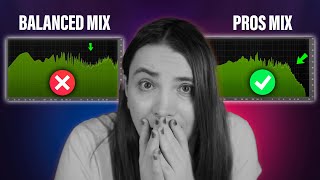
- Stereo Image SpreadThe ProblemHaving everything spread on a stereo image is a big tell of amateur songs.Professional BalanceStereo acts as an anchor in the stereo image. A balanced mix has more mono on lower frequencies and gets wider moving up in the frequency band.Frequency DistributionLower frequencies should be more centered (mono) while higher frequencies can occupy more stereo width.ImpactThis approach creates a professional, cohesive sound rather than an amateurish scattered presentation.
- Over-QuantizationThe IssueHaving all notes perfectly on the grid sounds artificial and unnatural, especially with percussion elements like shakers.Professional ApproachSlightly unlock some notes from the grid to create a natural, human feel in the recording.Why It MattersOver-quantization is a big tell for amateur producers and removes the organic quality of the music.Practical RuleDon't quantize everything to 100% - allow slight variations for natural timing.
- Low-End ManagementCore RuleThe lower you go, the fewer elements you should have in the low frequencies.Practical Techniques• Techno producers almost always side-chain their sub to the kick • High-pass elements that don't contribute anything to the low endCommon MistakeNot high-passing Reverb and Delay in the low end causes muddy, confusing mixes.ResultProper low-end management creates clarity and separation in the mix.
- Reverb and Delay StrategyThe ProblemUsing too many different reverbs and delays on every channel creates a void that sounds confusing and unprofessional.Professional SolutionUse returns and buses to create cohesive sounding spaces across the entire mix.Why It WorksThis approach ensures reverb and delay add depth without muddying individual elements or creating spatial confusion.Mixing AdvantageCentralized effects management gives you better control and cohesion throughout the track.
- Vocal ProcessingImportanceNot processing vocals properly is a major mistake in professional tracks and a big tell of amateur production.Core PrincipleProcess vocals so that they fit and integrate with the track's overall aesthetic and vibe.CustomizationEach vocal processing could be slightly different depending on the desired sound - for example, creating a futuristic sound requires different processing than a natural sound.TransformationProper vocal processing significantly changes the feel and professionalism of the entire track.
- Sub Bass BalanceRoom FactorsRoom modes affect how sub bass sounds, but headphone users also face challenges with sub roll-off in many headphones.Headphone RealityMany headphones have sub roll-off in the composite range, causing producers to boost bass 3-6 dB in mixes.Common MistakeToo loud sub bass is one of the big giveaways of amateur tracks due to equipment limitations and misjudgment.SolutionLearn proper sub bass balancing techniques to get it right across different listening environments.
- Track Energy and AutomationProfessional CharacteristicProfessional tracks have energy levels that fluctuate throughout, showing good amounts of automation to keep listeners engaged.Amateur TraitAmateur tracks have almost constant energy levels where changes happen in rigid, stepwise fashion.Dynamic VariationProfessional producers constantly adjust energy levels to maintain listener interest and create dynamic movement.Amateur TellRigid, unchanging energy structure is a big tell of an amateur track.
- Memorable Hook DesignImportanceTop tracks are almost always identifiable by their very catchy hook after listening to just three seconds.Listener MemoryIf listeners can't remember the hook of your song after the first listen, that is a big red flag for production quality.Design FocusThe hook should be distinctive, memorable, and iconic enough to define the song.Professional StandardA strong, immediately recognizable hook is essential for professional, successful tracks.
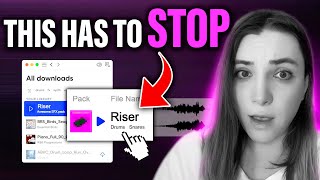
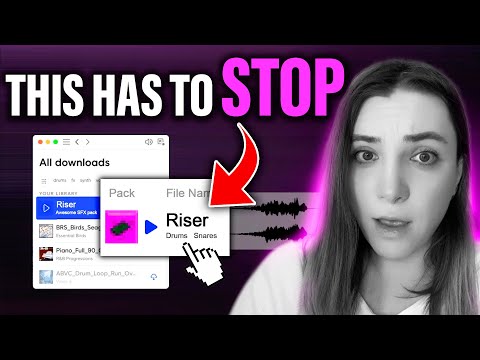
- Sound Selection and CohesionAmateur ApproachAmateurs tend to listen to sounds in isolation, always searching for fancy and Reddit-recommended sounds, ending up with a sound soup.Intentional ClashingSometimes out-of-key elements work if repeated enough to sound good intentionally, but this requires awareness.Unintentional Problems• Not being aware of clashing elements creates bad-sounding results • Out-of-key vocals are particularly problematic and should be avoidedProfessional PracticeDesigners use color palettes for consistency - similarly, musicians should maintain a cohesive sound palette to avoid the confused, amateurish sound soup.
- Mix Perspective and Effects ChoicePerspective ProblemUsing an eclipsed mix is a big mistake in professional production.Effects OveruseOverusing outdated effects is common because it's easier to just drop in whatever effects you find first.Outdated SoundsThe first effects found are often outdated, cheesy effects that may sound good occasionally but mostly sound dated in the mix.Professional StandardChoose effects carefully and avoid outdated presets to maintain a contemporary, professional sound.
- Mix Level ConsistencyIntentional ImbalanceUnbalanced mixes can sound quite good if intentional, used to reflect certain emotions or artistic choices.Unintentional ProblemsInconsistent levels without intentional purpose create amateurish sounding tracks, such as having no bass in a techno track.Context MattersThe same level of mix imbalance can be professional or amateur depending on whether it's deliberate and serves the music.Critical FactorIntentional mixing decisions backed by artistic purpose sound professional, while accidental imbalance sounds amateur.
- Learning and Growth MindsetUniversal ExperienceThe presenter has made all these mistakes and emphasizes that beginners should not worry about making them - they are a normal part of the learning process.Everyone's JourneyAll producers have been there and made these mistakes; it's part of the normal process of learning and improving.Artistic EvolutionThe beauty of being an artist is that you learn from mistakes and eventually create good-sounding music.Continued LearningProducers interested in learning more about production secrets and tricks have tons of available videos to explore.