
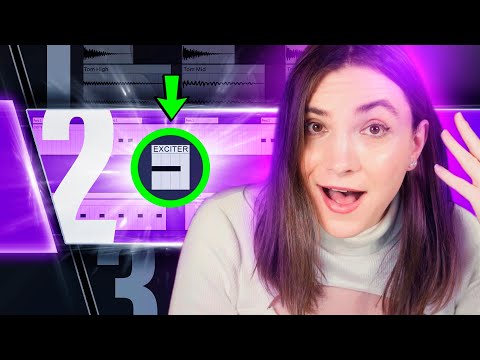
3 Drum Fills You Should Try ASAP
3 chapters
- 80s Style Analog Tom FillFoundation Setup• Use three tom samples: high tom, mid tom, and low tom to create different notes • Layer toms with snare or rim sound for more aggressive tracks • Use one high rim and one low rim to create tension between notesSound Design Techniques• Apply glue compression with slow attack and fast release to blend layers together • Enable soft clip to further unify the sounds • Add a drum roll using a sizzling clap sample, removing excess attackPattern Elements• Mark the beginning and end of the pattern with a strong snare hit • Use reverb with drive and gate to create an 80s aesthetic noise effect • Conclude with a crash cymbal hit to finish the patternFinal ResultThe complete fill combines analog toms, layered percussion, drum roll, and reverb-gated cymbals for an authentic 80s drum sound
- Exciter Pattern for Track EnergyProblem & SolutionWhen a track sounds stale, add excitement using an exciter pattern with enriched analog clap sound to brighten and energize the mixSound Preparation• Use an analog clap sample and enrich it with EQ • Add reverb to keep a big, long feel • Include parallel delay chain to add space and room feelPattern Construction• Create spacing in the pattern to hear room acoustics clearly • Layer a tighter clap sound on top to differentiate from the main clap • Have snare hitting throughout to complete the sequence and add continuityApplication• Use for general track excitement and energy boost • Apply the same concept to brakes and drops in a track • Tighten the pattern for drops to create a faster, more driving feel
- Pressure Release Fill TechniqueConcept OverviewCreate tension in the pressure section then release it in the second part to build a dynamic, engaging drum fillPressure Building• Start with a simple clap sound as the backbone • Layer snare samples with varied placement off the grid for a loose feel • Adjust volume levels to create a relaxed yet driving sensation • Add reverse noise with EQ to build mounting pressure throughout the sectionRelease Section• Use percussive glassy sounds with reverb for a more open, airy feel • Layer a deep kick and additional percussion for texture • Option to conclude with a crash cymbal to mark a drop or transitionCohesion & Flexibility• Use glue compression and reverb on the glassy sound, then resample and reverse it to connect pressure and release sections • Adjust snare roll intensity (8 or 16 rolls) to control pressure duration • Flexibility allows customization based on track energy needs and drop requirements