This is the Most Influential Bass Ever Created 💁♀️
5 capitulos
- History and Evolution of Rolling BassHistorical OriginsRolling bass lines have roots dating back to baroque music from the 1600s and potentially even earlier in music history.Early Popularization• Trust Fry featured one of the first early popular examples of rolling basslines • Trance music in the 1990s significantly propelled its popularity with iconic tracks like Age of Love • Stand-up tunes such as Army Van Buren's Communication continued the trend in the late 1990s and early 2000sModern DominanceMelodic techno perfected the rolling bass line technique and by 2023, it has become one of the most influential basslines in electronic music.Cultural ImpactThe rolling bass line has transcended its original genres to become a defining element across multiple electronic music styles.
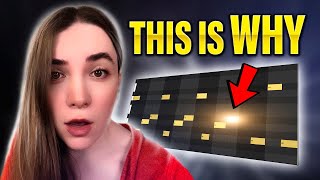
- Understanding Rolling Bass MechanicsBasic StructureRolling bass works by filling in the spaces between a four-on-the-floor beat with additional bass hits, creating a fuller sound.Step-by-Step Breakdown• Start with a four-on-the-floor beat • Replace the kick with bass notes • Add an upbeat bass hit between notes • Fill the remaining spaces with additional bass hitsTechnical NamingThe technique is called 16-rolling bass because 16 bass hits can fit within a single bar, hence the numerical designation.AccessibilityDespite its complexity in final form, the basic concept of rolling bass is relatively simple to understand and implement.
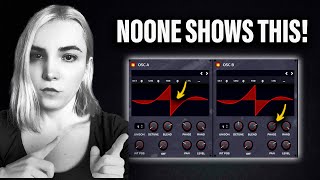
- Synthesizing a Warm Rolling Bass SoundEnvelope Shaping• Set envelopes to be plucky but slightly sustained • Use mono mode with a big release for smooth repeating notes • Create a top layer with these characteristicsLayering TechniqueAdd a bottom layer one octave down using a square wave for fewer harmonics on the top end, allowing better layering and warmth.Filter Development• Apply a filter envelope that opens up slightly with each bass note played • Use a plucky second envelope • Connect the envelope to the filter cutoff with appropriate modulation amountDepth CreationApply unison by activating oscillator 2 for sub bass, creating a richer stereo image and fuller sound without affecting the sub bass layer.
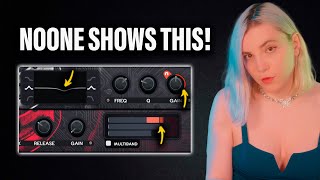
- Advanced Processing and EffectsSaturation and Shaping• Use distortion or saturation to add warmth and character • Apply EQ to shape the sound by cutting boxy frequencies and boosting highsSpatial EnhancementAdd stereo effects like tape echo with ping-pong delay set to 1/8 dotted note for a wide, spatial dimension to the bass.Sub Bass ProtectionAdd a parametric EQ after effects to protect and control the sub bass by cutting low frequencies if needed, ensuring the sub bass remains clean.IntegrationAdjust the filter response based on your track's test conditions to ensure the bass sits perfectly in the mix.
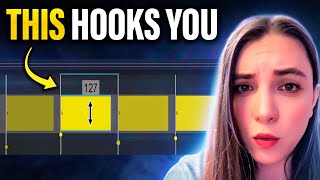
- Final Touches and HumanizationVelocity AutomationSign velocity to cutoff and volume, then automate velocity changes to add human feel and prevent the bass from sounding robotic.Groove AdditionIncrease human feel by adding groove, which pushes the notes slightly off-grid and introduces natural imperfections.Layering Options• Optionally add a high layer to add color and character • Separate sub bass from the main bass for independent control using high and low pass filtering or by isolating the fundamental frequencyMelodic Movement• A rolling bassline does not need to stay on the same note • Add variation with simple pitch jumps or note changes • Sync kick, bass, and bass effects together for improved groove and cohesion