Simonne Mathieu : Légende du tennis et de la Résistance (Culture Prime)
Resistance fighter, captain of the first French women's army, and tennis legend
4 chapters
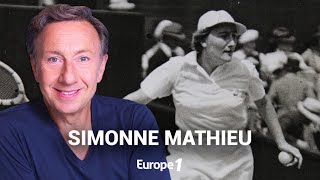
- A Promising Tennis YouthPersonal BackgroundSimonne Pasmar began playing tennis at age 12 on medical recommendation to maintain her physical fitness, as she suffered from fragile health.Distinctive Playing Style• Magnificent technique with a remarkable forehand • Strong character and exceptional match intelligence • Approach based on precision rather than raw powerEarly SuccessAt 15, she won her first tournaments and became French junior champion.Media ObscurityDespite her success, she remained overshadowed by Suzanne Lenglen, the absolute star of the 1920s, until the latter's retirement.
- Triumph at Roland Garros and Late RecognitionPersonal LifeAt 17, she married René Mathieu, editor of a tennis magazine, and gave birth to two sons.Historic VictoryIn 1938, after her 7th final, she triumphed at Roland Garros with a historic achievement: she won the singles, doubles, and mixed doubles titles.Impressive Record• Two-time defending champion in mixed doubles at Roland Garros • World number 2 • 11-time French championSuccess ParadoxDespite her historic triple crown, newspapers only published a close-up of Marlène Trich. She traveled worldwide and escaped the domestic life expected of women of her era.
- From Tennis to the ResistancePatriotic CommitmentIn September 1939, when France entered the war, she immediately stopped her tennis career and volunteered as an ambulance driver.Formation of a Women's CorpsShe received the proposal to form a French women's military corps modeled on the British ATS and began work the same day.Military Responsibilities• Captain of the first women's corps in the French army • 150 women under her command • Surveillance, espionage, and communication missionsRecognized LeadershipHer unit maintained high physical standards and performed essential administrative duties. She was decorated with the Legion of Honor at the end of the war.
- Legacy and Posthumous RecognitionPost-War CareerAfter the war, she returned to tennis as captain of the French women's team.Remarkable Journey• Landmark legend of French tennis • Resistance fighter and high-ranking military officer • Woman who never stopped fighting on the court, in life, and in historyLate RecognitionIt took until 2019 for Roland Garros to honor her name by opening court number 3 in her honor. She died in 1980 without knowing this recognition.Lasting ImpactA well-deserved recognition for her who forever marked French tennis history through her sporting achievements and exceptional patriotic commitment.