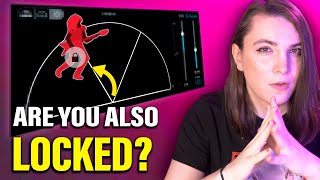
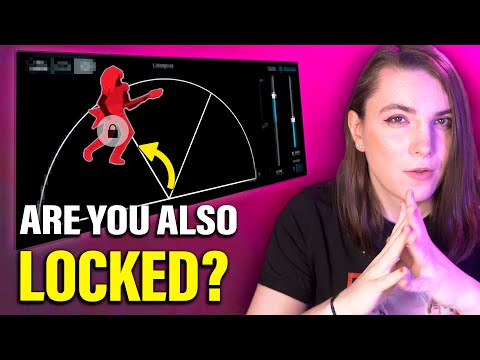
You May Unknowingly Lock Your Stereo Image
and if you start thinking about your stereo image not only frequency domain but also in time domain you will get the key to whole name world
4 chapitres
- Understanding Stereo Image FundamentalsDefinitionStereo image refers to the perceived spatial location of sound both literally and in depth, encompassing spatial positioning and dimensional placement.Basic Examples• Mono stereo image: all elements positioned in the center • Wide stereo image: instruments panned heavily left and rightMultidimensional ApproachProducers and audio engineers expand stereo image beyond single-dimensional panning by introducing frequency range on the x-axis and width on the y-axis, creating unique characteristics for each instrument based on effects and mix placement.Practical ApplicationDifferent frequency bands can be controlled separately, allowing specific frequencies to be mono while others are stereo, enabling targeted enhancement of instruments like hi-hats in the mid-high range.
- Static Stereo Image TechniquesStatic DefinitionStatic stereo image means the stereo positioning of a track stays the same throughout, with predefined instrument placement that remains consistent and does not change.Dance Music Triangle• Low end: mono signal to maintain power in mono playback systems • Mid frequencies: gradually increased stereo information • High frequencies: fully opened stereo field • Approximately 90% of dance music tracks utilize this stereo image approachAlternative Patterns• Rock/Pop: instruments panned right and left with bubbles in the stereo image based on frequency dominance • Hourglass shape: multiple overlapping instruments requiring stereo techniques to create space in the mixWhy It WorksHuman ears are more sensitive to direction at upper frequencies, so creating a stereo high-end makes the entire track sound wider and more spacious.
- GPU Audio TechnologyInnovation OverviewGPU Audio is the first startup to unlock GPU processing instead of traditional CPU processing for audio plugin development.Technical Advantage• Traditional plugins rely on limited CPU cores • GPU Audio parallelizes DSP algorithms across thousands of GPU cores • Enables new generation of powerful plugins and cloud-based platformsAvailabilityGPU Audio offers a free early access program for users to test plugins, with open beta release planned for a few weeks after signup.Industry ImpactThis approach represents a significant shift in audio processing capabilities, making it one of the notable developments in the audio technology field.
- Dynamic Stereo Image and AutomationConceptDynamic stereo imaging involves alternating between different static stereo image styles during the track to create varied emotional moods and impacts.Implementation Methods• Panning instruments left and right to create spatial shifts • Duplicating instruments instead of automating repeatedly • Adding reverb and effects to enhance spatial changes • Transitioning gradually through breaks and sectionsPractical ExampleIn a deep house track, the stereo image changes from tight and mono during the main section to wide and dreamy during the break, using duplicated instruments with padding, reverb, and spatial effects to create an ethereal atmosphere.Key PrincipleThinking about stereo image in both frequency domain and time domain reveals the complete picture of how to control spatial perception and create compelling mixing results. Dynamic imaging represents one small piece of comprehensive dynamic mixing.