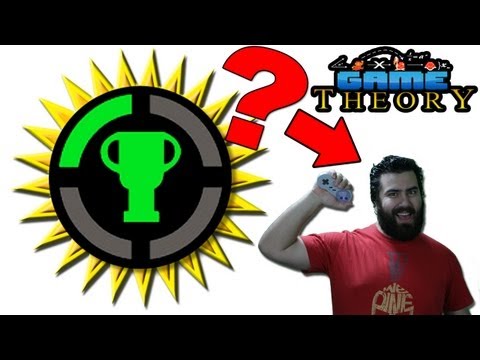
Game Theory: Why You're a Completionist (ft. Jirard and Greg from "The Completionist")
the reviews for this episode are in critics are saying complete
5 chapitres
- Introduction and Guest IntroductionHost SetupThe Game Theorists episode begins with a playful disagreement over the show's opening line between Matt Pat and a disembodied voice named Greg.Guest Introduction• Jirard Dragon (also known as the Beardman or the Completionist) - completes a new game to 100% every week • Greg - known as the Mediocre for being mediocre at most thingsCore QuestionJirard begins wondering why he feels compelled to fully complete every game each week, despite it being the premise of his show.Episode DirectionMatt Pat offers to explain the psychological reasons behind completionist behavior by exploring gaming motivation and psychology.
- Maslow's Hierarchy of Needs Applied to GamingFramework IntroductionAbraham Maslow created a hierarchy of human needs in 1943, progressing from basic survival needs (food, water, shelter) to higher psychological needs.Gaming Motivations• Lower levels: Basic needs like food, water, and a home • Higher levels: Belonging (playing with friends), self-esteem (achieving high scores), and self-actualization (mastering skills)Completionist DriveCompletionists are driven by self-actualization - the desire to maximize potential, master skills, and become the best gamer possible through facing and crushing new challenges.Identity BuildingGamers aren't content being casual players; they want a clear sense of identity and status, like being known as the best or most dedicated gamer.
- Dopamine Rewards and Achievement AddictionAchievement MechanismModern games unlock achievements that trigger dopamine releases in the brain when notifications appear on screen, creating a reward mechanism similar to eating good food or other pleasurable activities.Addiction PatternCompletionists become addicted to the dopamine rush from achievement notifications, following the same neurochemical pattern as drug addiction - constant chasing of reward releases.Surprise FactorUnexpected achievements create stronger dopamine releases than anticipated ones, meaning surprise achievements are more effective at keeping players engaged and playing.Diminishing EffectAs players approach game completion, they experience diminished dopamine rewards because they anticipate the final achievements, making the ending less thrilling than mid-game surprises.
- Conceptual Consumption and Identity FormationCore TheoryConceptual consumption theory states that people consume ideas and information like physical objects, with rarer experiences being more valuable and desirable to possess.Collection Mechanism• Completionists absorb and own game experiences by fully completing them • Each completed game is added to an invisible trophy wall of achievements • The gaming channel becomes a visible display of all experiences and accomplishmentsIdentity IntegrationBy completing games, players assimilate them into their identity and become defined by their gaming experiences, embodying the philosophy 'you are what you play.'Unique PossessionWhile millions play the same games, each player's unique experience through their avatar and journey makes that experience distinctly their own, influencing who they are as a person.
- Conclusion and Diagnosis of CompletionismComplete AnalysisMatt Pat summarizes that completionists play because friends play, feel good about achievements, and want to be the best possible player.Multiple Drivers• Achievement addiction from dopamine reward cycles • Desire to add unique experiences to their life resume • Social connection through shared gaming with friends • Self-esteem and mastery of gaming as a skillFinal VerdictThe completionist drive stems from a combination of neurochemical reward systems, psychological needs for self-actualization, and the human desire to own and integrate unique experiences into personal identity.Episode CloseThe episode concludes with an invitation to play Metroid Prime on The Completionist's channel while continuing the broader Game Theory conversation.