
Game Theory: How Real Can Video Games Get?
7 chapitres
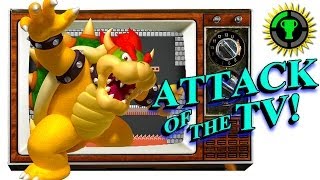
- Monster in My Pocket: The Game That Started It AllGame OverviewMonster in My Pocket is a 1991 Konami NES classic designed to manipulate kids into buying related toys. Players control either a monster or vampire character running through environments that resemble a Florida condo, with the gameplay being relatively generic and uninspiring.Core MechanicsEvery monster is a one-hit kill with a small energy swipe attack in front of you. The game involves defeating your arch nemesis, Warlock, and sitting down to watch the credits as a celebration.The Memorable MomentDuring the credits sequence, Warlock suddenly returns and shoots fireballs through the TV screen at the player. This surprising moment where the game breaks the fourth wall creates genuine shock and becomes the most memorable aspect of an otherwise forgettable game.Impact & LegacyThis one moment of surprise redeemed the entire experience and stayed with the creator long enough to inspire this episode's exploration of immersion in video games.
- The Quest for Immersion: From Mechanics to Screen TechnologyCentral QuestionHow far are we from literally fighting a boss that reaches out of our TV screens? With motion controls and force feedback continually improving, the one-to-one experience between player and game is at an all-time high.The Real LimitationThe controlling factor isn't the controller but the television itself. Achieving pure immersion depends not only on the game but also on the screen you play it on, making television the key limiting factor in immersive gaming.Research FocusTo understand how immersive TVs can get, we need to examine television's evolution from its inception to modern day and how far the technology has come.Episode DirectionThe exploration will determine whether technology is approaching the limits of human perception and what innovations might push immersion even further.
- Television Evolution: From Mechanical Discs to Modern ScreensEarly Innovation• Paul Nipkow created the Nipkow disc in the late 1800s, a mechanical device with a spiral of holes punched into it • An image would project onto the spinning disc, with holes cutting up the image point by point and line by line • Light shining through the disc's holes was recorded and projected onto a screen in individual vertical strips that were reassembled to create an imageFirst Home TVsIn-home televisions arrived in 1928 and produced images only the size of a postage stamp. A magnifying glass had to be literally installed inside the television set to enlarge the image for viewing.Cathode Ray Era• Cathode ray TVs replaced mechanical technology in the early 1930s, using an electron gun at one end and a fluorescent panel at the other • The TV image is created by blasting the electron gun at the fluorescent screen very fast in a specific pattern • This technology was used to play games like Duck Hunt on jumbo 12-inch screens that cost about $1,200 in today's money • TVs needed big lead plates to contain radiation, making them extremely heavyColor & GrowthMultiple electron ray guns were installed and made to fire in each primary color, bringing color TV into existence. Eventually cathode ray tubes reached a size limit, with the largest ever made in 1991 at about 61 inches and weighing almost 750 pounds.
- Modern Display Technology: Plasma, LCD, and BeyondPlasma Televisions• Plasma TVs take advantage of inert gases like neon, argon, and xenon that are inherently non-reactive • The technology applies the concept of a neon bar sign to television programming • TVs are lit by running an electric current through gas combinations to glow in different color combinations • Each TV manufacturer had their own proprietary blend of plasma, similar to a secret sauceLCD TechnologyLCD or liquid crystal displays are made of tiny crystal structures that are fluid and change orientation when put under an electric current. LCDs quickly became the lightest way to produce higher resolution TV images and currently dominate the market.Market TransitionPlasma and LCD models started emerging around the same time in the late 2000s, eventually replacing cathode ray tubes due to their superior size and resolution capabilities.Technology RaceThe competition between display technologies drove rapid innovation in television capabilities, eventually leading to the contemporary focus on resolution, curvature, and immersive features.
- The Limits of Human Perception vs. Modern Display TechnologyResolution Breakthrough• Consumer electronics shows in January featured two major innovations: 4K resolution TVs with four times the pixels of 1080p HD screens • 4K technology means watching TVs with approximately 8.3 megapixel resolution • According to Vsauce research, the human eye's resolution caps out around 7 megapixels in a relatively small focal point • Technology is quickly approaching levels where it surpasses human ability to process itCurved Screen Innovation• Curved TV screens are designed to literally surround players with the game being played • They provide a wider periphery view, giving a field of vision in first-person shooters that behaves like natural human sight • This creates an experience that requires seeing to believeImmersion SummitWith curved TVs drawing players in, 4K resolution testing the limits of human vision, and 3D technology placing players in the game world, TVs have reached the pinnacle of creating an ideal immersive visual experience.Beyond VisionThe next step would involve incorporating all human senses, but this introduces practical limitations like undesirable sensory experiences from certain games and physical endurance constraints from requiring real movement.
- The Real Question: How Much Immersion Do We Actually Want?Sensory Limitations• Incorporating all senses introduces impractical scenarios, like smelling characters from Conker's Bad Fur Day or experiencing PTSD from Call of Duty combat • Real movement immersion is limited by human physicality and endurancePersonal PreferenceThe creator has no desire to be fully immersed in every game, such as running around in front of the screen to feel like a soldier. Personal comfort and practical limitations matter in determining desired immersion levels.Reframed QuestionThe real question isn't how realistic gameplay can get, but rather how realistic we want it to get. Technological capability and human desire don't necessarily align.Current Technology AssessmentWith curved screens, 4K resolution, and 3D technology available now, the creator believes current technology is sufficient for satisfying immersion without requiring full sensory integration or physical movement demands.
- Community Vote: Choosing Next Month's EpisodePrevious TournamentIn the last super amazing endcard tournament, viewers were asked whether they preferred clicking the bottom or top half of an image linking to Gerard's Final Fantasy 7 series. The top half won by 300%, showing viewers prefer content positioned at the top of the image.Current Options• Cover the spontaneous combustion of Minecraft Creepers • Explore the effectiveness of dating sim tactics in real lifeExpected OutcomeWhile viewers can choose either option, Minecraft is expected to win based on previous voting patterns.Viewer ParticipationChosen episodes will come to life sometime in June as part of a Choose Your Own Adventure web series where theorists become part of the episode selection process.