Mixing With Saturation - Why You Need It
4 capitulos
- Understanding Saturation BasicsWhat is SaturationSaturation refers to the sound heard when an analog recording device or medium such as tape, tape machine, preamp, or console is driven to loud sound with too hot a signal, causing the audio to distort and break up in a pleasing way unlike digital distortion.Key Characteristics• Added harmonics to the sound • Distortion and fluttering effects • Subtle compression characteristics • Results from imperfections in the recording medium that sound good to the human earAnalog vs DigitalAnalog saturation breaks up and distorts differently from digital distortion or digital clipping, which cracks and sounds terrible by comparison.Video FocusThis tutorial focuses on tube and tape saturation specifically, though there are many different types of saturation each with their own special qualities and characters.
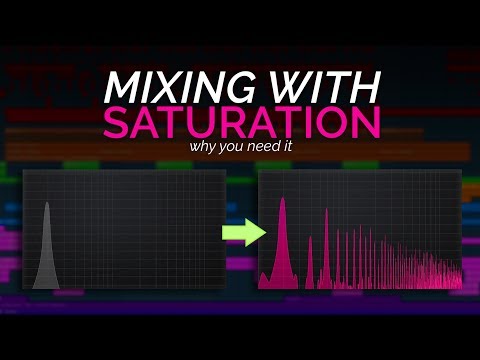
- Harmonic Content and WarmthHarmonic AdditionWhen saturation is applied to a pure sine wave, upper harmonics are added to the sound. As saturation amount increases, more harmonics are added until distortion occurs, which is why saturation sounds so pleasing and can fill out a sound.Complex SourcesOn complex sources like a full drum kit or piano, saturation adds harmonics to everything rather than just one tone, making things sound really full and rich.Warmth ConceptThe term warmth is widely used marketing language in audio, referring to the perception that digital sounds cold and lifeless while analog sounds warm, full, and wonderful. However, warmth means something different to everybody.Warmth Interpretations• Some people use the word weight • Some say the top-end presence moves out slightly • Some perceive the bottom end as more round • Some experience the mid-range as fuller in general • Regardless of interpretation, it usually sounds good
- Practical Application ExamplesGain Staging Importance• If signal going into the plugin is too low, the intensity dial will not reach the right sweet spot for saturation to occur • If signal is fed too loud, distortion happens immediately and you cannot control it • Proper gain staging is essential for controlling saturation effectivelyDrum Kit ResultsWhen applying tube and tape saturation to a full drum kit, saturation makes it cut through, the snare and hi-hat become more exciting, and the low-end becomes bigger, as if EQ and compression were applied.Source-Specific ApproachThe tricky part is matching the right type and amount of saturation to the right source. For an acoustic guitar, you might want smooth or subtle saturation rather than booming low-end and heavily distorted top-end.Subtle Usage TipsUsing saturation subtly on atmospheres and pads can really enhance a track even at only 10-20% intensity on each track, and the difference over a whole mix can bring things to life.
- Choosing and Using Saturation PluginsPlugin vs HardwareSaturation came from the analog world, not digital, making plugin recreation debatable. Hardware analog equipment will provide different results than VSTs, but if you cannot afford lush analog equipment, VSTs will add character and flavor to your sound.Plugin Selection Strategy• Many saturation plugins are free and available to try • Some plugins model analog compressors and EQs which induce saturation when driven hot • Let your ears guide you and choose based on what you like • Test lots of options as they all sound very differentPlugin ExplorationDifferent plugins give crazy glassy or driven tones while others provide really smooth and subtle tones. You will find out in time what works best for you as you experiment.Mixing in ContextAlways listen to saturation in context by playing along with everything in your song so you can hear how the saturation interacts with all the other instruments and vocals.