Game Exchange: Lavender Town, Pachinko, and Pikachu (Pokemon: Generation 1 and 4)
6 chapters
- Host Introduction and Return to PokemonPersonal UpdateThe host apologizes for the long break from producing episodes due to attending GlitchCon and Con Explosion back-to-back, plus starting a new work schedule.Recent Gaming FocusDuring downtime, the host has been playing Pokemon Leaf Green extensively and rediscovered their interest in the franchise.Video PurposeInstead of criticizing Japanese Pokemon names, the host wants to explore specific places and Pokemon that represent Japanese culture.Audience AcknowledgmentThe host thanks viewers for providing excellent information in responses to the previous episode and welcomes corrections and learning from audience input.
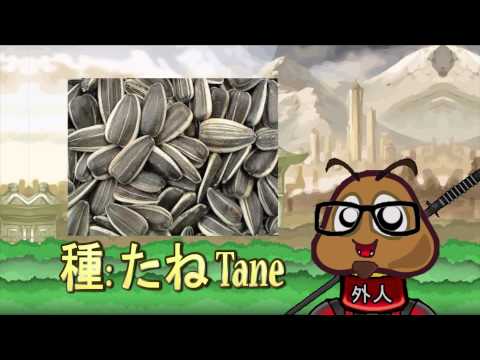
- Corrections on Previous Pokemon AnalysisCharmander RevisionCharmander's Japanese name Hitokage literally means 'fire and lizard,' which is more original than initially claimed.Magikarp Origin Story• Magikarp and Gyarados come from a Chinese myth about a carp that swam up a river to a legendary mountain housing the Dragon's Gate • Upon swimming over the gate, the humble carp transformed into a mighty Dragon • The carp may be called Ulong and the river the Yellow River, with other possible locations including the Wei River and Lungi mountainsDesign AppreciationThe struggle Magikarp endures to gain power and transform parallels the perseverance theme in the myth, making it an inspired design choice.Bulbasaur ClarificationBulbasaur's Japanese name Fushigi Dan means 'mysterious seed,' not 'mysterious bulb,' as tan in Japanese means seed.
- Pikachu Name Analysis and Generation 4 PokemonPikachu Breakdown• Pika is an onomatopoeia representing the sound or look of glitter and sparkling • Chu is either the sound of a kiss or the sound of a mouse • The combined name fits the character design perfectlyChingling DesignChingling is designed after a suzu, special bells rung before praying at Shinto Shrines to awaken the kami of that shrine, with the most notable coming from Tagata Ginga.Chimecho OriginsChimecho's design comes from furin, Japanese wind chimes made from metal, glass, or ceramics that Japan imported from China during the Edo period.Chime Cultural Significance• Wind chimes are believed to disperse evil energies hanging in the atmosphere • They are commonly seen in Japan during summer months • The design pairs food imagery with wind chime aesthetics
- Lavender Town and Japanese Graveyard DesignGame Design ChoiceThe Pokemon Tower in Lavender Town features a maze of headstones, which is not a cheap gameplay gimmick but an accurate representation of Japanese graveyards.Graveyard ScaleJapanese graveyards are actually far more massive than depicted in the game due to Japan's large population and the importance of family burial traditions.Population PressureWith nearly 128 million people living in a country roughly the size of California, space utilization becomes critical for burial sites.Family Burial TraditionsFamilies purchase plots at high prices where grandparents, parents, and children share the same burial plot, reflecting the cultural importance of family unity.
- Celadon Game Corner and Pachinko MechanicsGame Corner LayoutThe Celadon City Game Corner requires players to visit a separate adjacent building to collect prizes, which is not arbitrary but based on real-world Pachinko mechanics.Pachinko Gameplay• The game is similar to pinball with minimal skill involved • Players buy steel balls, place them in a machine tray, and watch them fly around • The goal is to land balls in specific catch trays to earn more balls • The only skill element is controlling the force of the ball launchPrize Exchange SystemPlayers exchange earned balls at the Pachinko parlor counter for random items like candy bars or pencils, then take those items to a nearby booth for cash exchange.Legal WorkaroundThis two-building system exists because direct gambling is technically illegal in Japan, but exchanging balls for items and then items for cash creates a legal loophole.
- Jinx Cultural Context and Final ThoughtsName EtymologyJinx's Japanese name Rua sounds like the French word Rouge, meaning red, or refers to a particular type of makeup associated with ganguro girls.Design OriginsWhile Jinx is based on Yaruba, the appearance of blackface makeup is not purely coincidental but reflects Japan's understanding of African culture filtered through media.Cultural Context• Japanese people with limited US exposure primarily understand African-American culture through media representations • Many Japanese people are unfamiliar with the historical travesties of slavery and its impact • Ganguro girls emulate the appearance of being Black because they idolize the look, not out of hatredIntent vs. ImpactThe host argues that this represents adoration rather than racism, comparing it to white people emulating African-American subcultural norms like fashion, and encourages viewers to consider context before drawing conclusions.