Game Theory Episode 22: Pokemon Part 3
6 chapters
- Introduction and Episode OverviewOpening SetupThe episode begins with a discussion about racial sensitivity, then transitions into explaining that today's question is whether Pokemon is racist.Main QuestionSince Pokemon's appearance in the western market, there have been two major accusations of racist and hateful imagery in the franchise.Episode PromiseThe host leaves the final answer about Pokemon's racist content up to the viewers to decide after presenting the evidence.Topic Overview• First accusation: Pokemon is pro-Nazi • Second accusation: Racist character designs • Both claims will be examined with evidence
- The Nazi Swastika ControversyThe EvidenceA Swastika appears on the Koga's Ninja Trick trading card, which parents interpreted as a pro-Nazi symbol and believed Pokemon was trying to turn children into Neo-Nazis.Historical Context• Swastika (Manji in Japan) dates back to 4000 BC • Literally means 'lucky' or 'well-being' in its original usage • Common symbol in Eastern religions like Hinduism and Buddhism • Represented the sun, peace, the number 10,000, and the entirety of creationSymbol MisappropriationIn the late 19th century, the swastika was found on ancient German pottery, and a nationalist movement seeking to preserve a pure-blooded Aryan master race adopted it as their logo due to its cultural significance. Hitler included it in the Nazi flag design.ConclusionThe swastika's appearance on a Pokemon card reflects its ancient Eastern religious meaning, not Nazi ideology. Nintendo would not risk such controversial messaging.
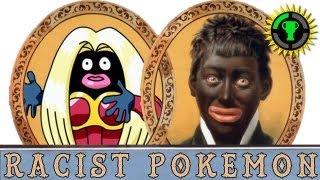
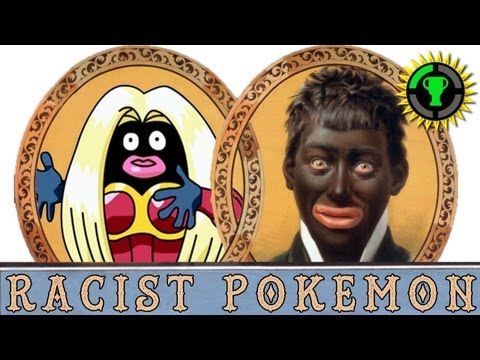
- Jinx and Minstrel Show StereotypesThe AccusationOn January 5, 2000, author Carole Weatherford accused Jinx's character design as being an overweight drag queen version of black stereotypes. Episodes were banned, figurines discontinued, and Jinx's skin was changed from black to purple.Historical Roots• Minstrel shows featured white comedians painting faces with grease paint to portray black characters • Began in the 1830s and grew popular after the American Civil War • Portrayed African-Americans as dumb, lazy, and superstitious • Exaggerated eyes and lips, embedding these traits into popular culture understandingProblematic Elements• Exaggerated eyes and lips matching minstrel show conventions • Gloves as a common minstrel costume element • Name 'Jinx' referencing bad luck and superstition stereotypes • Possible connection to Voodoo stereotypes • Body shape matching the 'Mammy Archetype' stereotypeCounter-EvidenceJinx being an ice psychic-type Pokemon would have no explanation under minstrel show theory. Blonde hair and fake hair wearing are weak evidence of racist intent.
- The Norse Mythology TheoryAlternative OriginJinx may be based on Hel, the Norse guardian of the dead—a female deity, daughter of Loki, appointed by Odin.Supporting Evidence• Hel is depicted as having black skin on half her body • Associated with a frozen land of bitterness and pain, explaining the ice-type • Described with long flowing blonde hair • Opera singer appearance relates to Wagner's 'Ring Cycle' and the Valkyrie BrunhildeTheory StrengthsThe Norse mythology connection explains multiple design elements simultaneously: the ice-type, blonde hair, and opera costume without requiring racist stereotyping.Theory WeaknessHel has black skin on only half her body, while Jinx is entirely dark-skinned, creating a significant inconsistency in the theory.
- The Ganguro Fashion TheoryFashion Fad ExplanationJinx may be based on Ganguro, a 1990s Japanese fashion trend featuring girls tanning heavily and using white or light pink eyeshadows and lipstick with bleached blonde or silver hair.Design Similarities• Dark skin matching the tanning aspect • Pink lipstick accent • Long blonde hair characteristic of the trendTiming ProblemPokemon development began in 1990, taking 6 years to complete. Ganguro reached its peak in the mid to late 90s (1995-2000), meaning Jinx would have been added extremely late in development.Racist ConnectionEven if Ganguro-inspired, the theory remains problematic because sociologists traced Ganguro inspiration to Hip-hop culture, with Japanese girls darkening faces to emulate black women. Ganguro literally translates as 'black face.'
- Conclusion and Final ThoughtsCompeting Theories• Jinx as a minstrel show stereotype • Jinx as Norse mythology's Hel • Jinx as a Ganguro fashion fad • None are definitively provenPresenter's ViewThe host presents all evidence but deliberately leaves the interpretation to the audience to debate, expressing relief that other Pokemon like Tangela haven't faced similar accusations.Broader CommentaryThe episode concludes with an extended musical number suggesting that everyone harbors some level of unconscious racial bias, but this doesn't excuse hate crimes or malicious behavior.Final MessageThe song emphasizes that making small judgments based on race is common human behavior, but the solution is awareness and relaxation rather than denial.