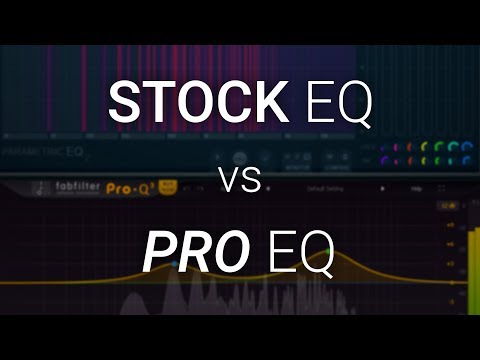
Can You Hear The Difference? Stock EQ vs Pro EQ
5 capitulos
- Introduction and Test SetupVideo PremiseTesting whether listeners can hear differences between free stock EQ and expensive professional paid EQ plugins when identical settings are applied.Equipment Used• GT990 Pro headphones for analytical listening • Audient interface for high-quality audio conversion • YouTube playback acknowledged as imperfect due to conversionTest Material• Drum loop from another song • Full instrumental track featuring cello, sub, and pianoVerification MethodUsing frequency analyzer and polarity cancellation tests to ensure both EQ instances are properly aligned and identical without effects.
- First AB Test: High Pass FilterTest SettingsHigh pass filter cutting all low end at 1,000 Hz applied identically to both stock parametric EQ and Fab Filter EQ.Audio ComparisonBlind AB test played for listener evaluation without disclosure of which plugin was A and which was B.Polarity Cancellation ResultWhen phase-canceling the two outputs, considerable cancellation occurs but some audible information remains, indicating minor sonic differences.ConclusionLoop A was Fab Filter and Loop B was Fruity Parametric EQ. Differences present but questionable audibility in full mix context.
- Second AB Test: Bell Curve BoostsEQ Settings Applied• 3dB boost at 200 Hz • 5dB boost at 3,000 Hz • Bell curve boost shape on both frequenciesAudio SampleOriginal instrumental track featuring cello playing, with identical EQ adjustments made to both parametric and Fab Filter instances.Listener PerceptionMinimal audible difference between the two EQ versions, with only slight clicking heard when switching between them.Plugin IdentificationLoop one was Parametric EQ2 and loop two was Fab Filter Pro. Polarity cancellation revealed very little remaining difference.
- Analog Modeling EQ and Key FindingsSlate Digital TestSSL modeling EQ from Slate Digital tested with same settings: 5dB boost at 3K and 3dB boost at 200 Hz, compared against parametric EQ.Sonic CharacteristicsSlate EQ perceived as weird and boxy in the midrange compared to parametric EQ, though bias exists due to knowing which is which.Main Message• Stock EQ plugins are adequate for 99.9% of standard tasks • High pass, low pass, high shelf, low shelf, and peaking filters cover typical EQ needs • Users with only stock EQ should not feel held back from achieving professional resultsProfessional Plugin BenefitsPaid plugins offer superior interfaces, easier workflow following tutorials, more bands and options, but minimal sonic improvement over stock EQ for standard tasks.
- Conclusion and RecommendationsOverall FindingStock plugins sound as good or better than paid plugins when making professional decisions with ears alone, without over-analyzing.Practical AdviceStock plugins in your DAW are not compromising sound quality and will not hold back achievement of desired results.Workflow ConsiderationPaid EQ plugins are valuable for following professional tutorials and adapting workflows from pro users, not primarily for sonic superiority.Future ContentAudience requested comparisons of stock versus paid reverbs, delays, compressors, and other effects plugins for future videos.