Mixing With Pink Noise - Does it work?
5 capitulos
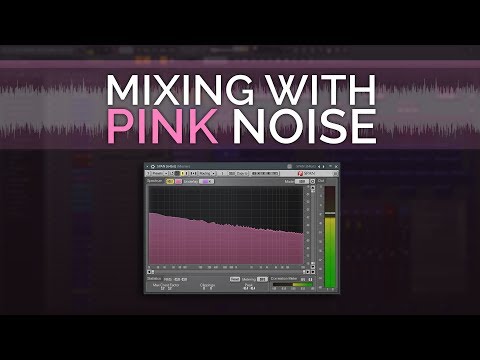
- Introduction to Pink Noise MixingTechnique OverviewPink noise mixing is a trending technique designed to help balance your mix before applying any processing like EQ, compression, reverb, or delay.Why Pink Noise WorksPink noise has an equal amount of energy in each octave, allowing you to match your tracks to it and achieve balanced levels across the frequency spectrum.Main BenefitUseful for engineers with 50-100 tracks who want to maintain fresh ears by avoiding prolonged listening to the mix itself while setting initial levels.Implementation Methods• Use a tone generator set to -10-15 dB and send it to the master • Download a pink noise WAV file, drag it into your DAW, and loop it
- How to Apply Pink Noise TechniqueStep-by-Step Process• Press play on pink noise and take all faders down • Raise each fader until you can hear the track through the noise • Lower it until it disappears under the pink noise • Mute the fader and move to the next oneOptional PreferencesSome engineers prefer working in mono by summing the mix to mono on the master or using a mono summing tool, and most recommend ignoring reverbs and delays which should be set later by ear.Demonstration PlansWill demonstrate the technique in FL Studio using a pink noise WAV file and in Studio One using a tone generator with two different song styles.Expected OutcomeThe goal is to achieve a nice balanced starting point for your mix before making any creative decisions.
- Practical Results and ObservationsTime InvestmentImplementing the technique took 5-10 minutes per mix just to run through each fader, not including setup time for the WAV file or tone generator.Listener ExperienceContinuously hearing pink noise for ten minutes felt unpleasant and creative, with an unbalanced result where vocals fell off and drums felt out of place.Comparison to Manual MixingA better static mix could have been achieved in 2-3 minutes by manually setting levels without the pink noise reference, despite expecting better results from the technique.Speed MisconceptionThe claimed one-minute technique took significantly longer in practice, and other videos showed the same extended timeframes, contradicting marketing claims.
- Critical Analysis and FlawsDependency IssuesThe technique requires all elements to be recorded and produced well; if tracks have frequency spikes, using pink noise as reference won't correctly balance them.Example ProblemA bass drum with a spike at 2K might show as balanced to pink noise when only the top end matches the reference, while the bass sits far below it.Skill Development ImpactThe technique misses the bigger picture of developing essential engineering skills like quickly balancing, dialing in tones, routing correctly, and working in real-time situations.Professional ContextIn live sessions with clients present, using pink noise would appear unprofessional and kill the creative vibe; experienced engineers develop level-setting ability over months and years.
- Final Verdict and RecommendationAuthor's OpinionThe technique only takes you a tiny portion of the way to a finished mix; if you need pink noise to reach a barely acceptable level, you could likely achieve it without pink noise in just a few moments.Suggested Approach• Develop trust in your ears over time • Listen to well-balanced music you enjoy • Be critical of your mixes • Mixing many songs will naturally develop your sense of balanceOpen PerspectiveThe author recommends trying the technique yourself and welcomes suggestions from those who have found effective ways to use it or have specific success stories.Key TakeawayFor the author, relying on ears and experience through many mixes is more valuable than the pink noise technique, though the exploration opened eyes to different ways of thinking about balancing and levels.