Haikyuu! Quand le volley, c'est vraiment toute ta vie.
4 chapters
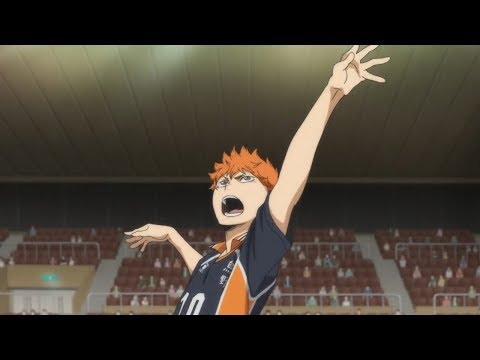
- Introducing the Protagonist and His JourneyCharacter BackgroundHinata is a 15-year-old Japanese boy with red hair who is 20 cm shorter than everyone else in his class, which is highly unusual in Japan.Defining DecisionAfter seeing the local high school volleyball team win a championship, he swore to become excellent at volleyball.Solo TrainingHe played alone for three years against a wall, demonstrating an obsessive passion for the sport.Meeting the TeamUpon starting high school, he finds a group of guys who share the same passion for volleyball, which he considers an incredible stroke of luck.
- The Nature and Approach of the AnimeCore ConceptThe anime follows a group of ordinary high school students who play volleyball after school and consider it the most important thing in their lives.Realistic Style• No fantastical techniques or flaming balls like in Inazuma Eleven. • Focus on realistic problems that teams face. • Emphasis on emotional and relational challenges rather than superhuman feats.Narrative QualityThe anime concentrates on the emotional aspects of the players, which could have been boring but is well-written and holds the viewer's interest.Mark of Good WritingYou appreciate all team members, not just the protagonist, and genuinely wish for them to progress together.
- Dramatic Tension and Emotional EngagementBuilding TensionThanks to the attachment developed toward the characters and their months of grueling training, the matches generate incredible pressure.Concrete ExampleIn a prefectural tournament semifinal at 23-24, with a one-point difference, the viewer experiences every moment as if their own family were in the stands.Team ProgressionThere is gradual improvement of the team across seasons, showing their continuous development.Emotional EffectivenessThe anime succeeds in creating total immersion where every ball feels vital to the viewer.
- Weaknesses and Final VerdictMain Problem• The characters sometimes take volleyball so seriously that it becomes hard to believe. • Example: a player refuses to touch a ball after a loss and it takes two entire episodes to convince him to return. • These dramatic crises happen constantly at the start of season 1.Impact on StructureThe first 10 episodes are needed just to get the whole team assembled and ready to play, which slows the initial pace.Positive EvolutionAfter season 1, excessive drama becomes much rarer and the anime gains in overall quality.Final RecommendationDespite its early flaws, Haikyuu is absolutely worth watching.