
Les sources de pollution
L’air que nous respirons, l’eau que nous buvons, les sols que nous cultivons : tous peuvent être contaminés par des substances nocives. Pesticides, métaux lourds, microplastiques, perturbateurs endocriniens ou encore bruit et radioactivité… Les sources de pollution sont nombreuses, parfois bien connues, parfois émergentes. Panorama des principales pollutions et des dispositifs mis en place pour les surveiller en France.
The air we breathe, the water we drink, the soils we cultivate: all can be contaminated by harmful substances. Pesticides, heavy metals, microplastics, endocrine disruptors, and even noise and radioactivity… The sources of pollution are numerous, sometimes well-known, sometimes emerging. An overview of the main pollutions and the systems put in place to monitor them in France.
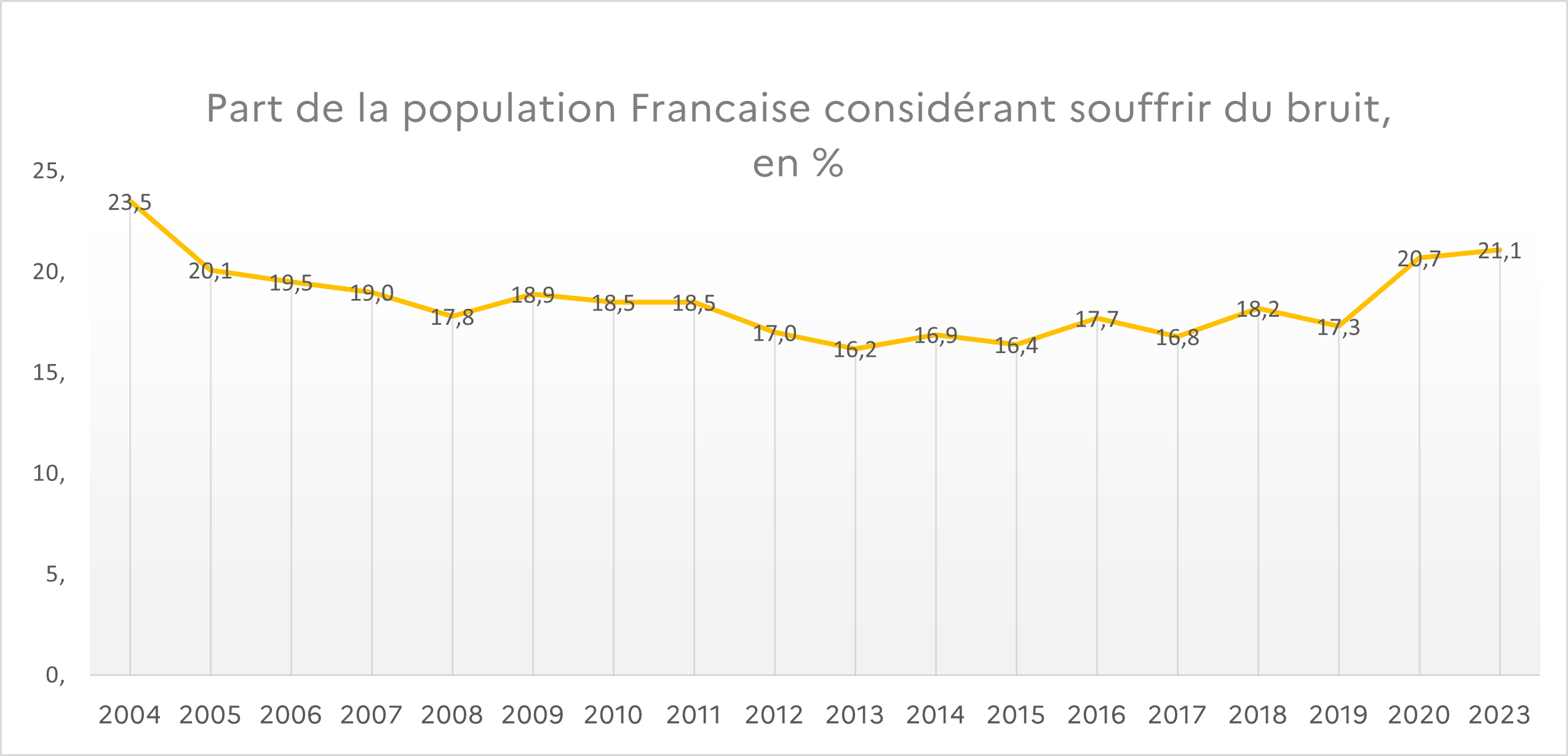
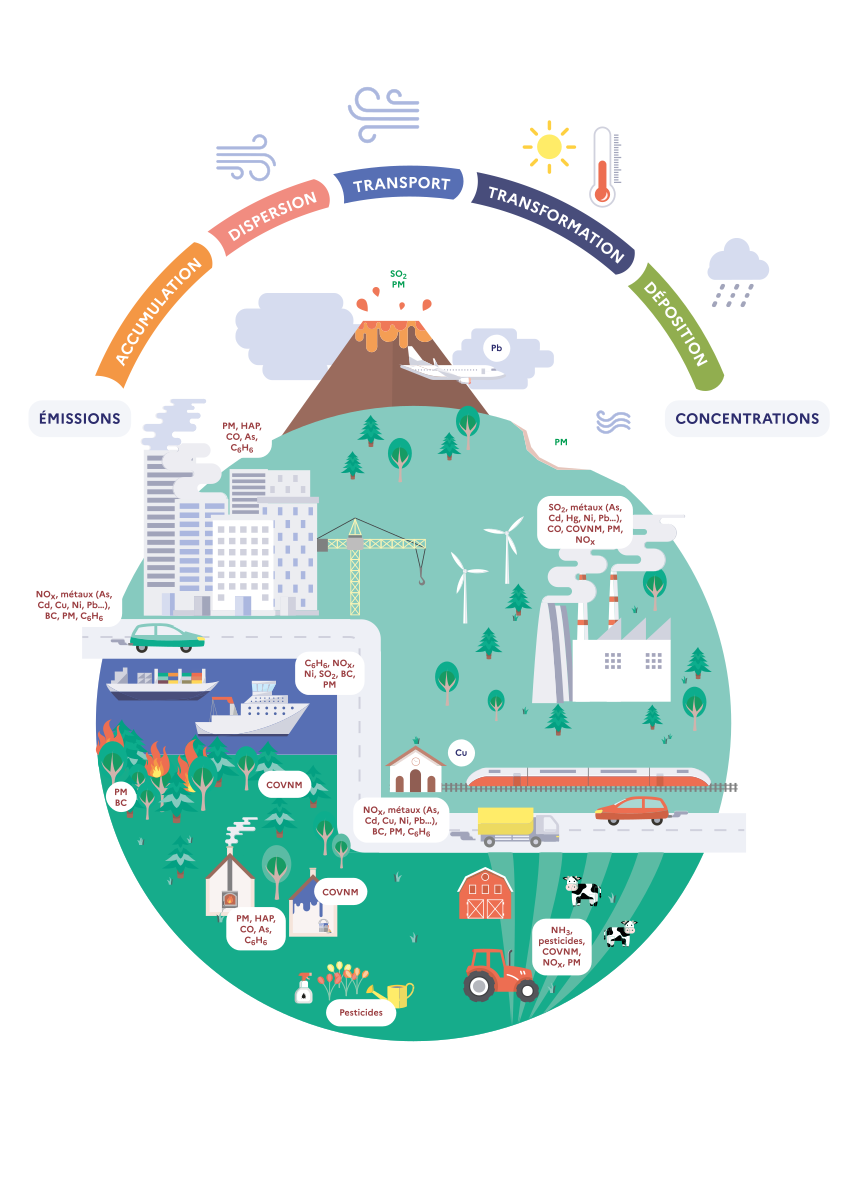
- What are the main sources of pollution?IntroductionEnvironmental pollution comes from many substances and sources. Some are well-known and have been monitored for a long time, such as air pollution or pesticides. Others, more recent or emerging, pose new challenges for monitoring and research. Here is an overview of the main sources of pollution.Outdoor air pollutionFine particles, nitrogen dioxide, ozone… Air can contain pollutants harmful to our health and the environment. Atmospheric pollution is one of the main environmental threats to health in France.PesticidesUsed to protect agricultural crops, pesticides can contaminate water, soils, and air, and accumulate in living organisms. They are closely monitored due to their effects on human health and ecosystems.Heavy metalsCadmium, mercury, lead… These toxic metals, known as heavy metals, accumulate in the environment and can harm our health, even at very low doses.Plastic wasteEvery year, hundreds of millions of tons of plastics are produced, consumed, and released into the environment. Once abandoned, these waste materials fragment, persist in natural environments, and can contaminate soils, water, or wildlife.Drug residuesMedications we consume are not entirely eliminated by our bodies or by wastewater treatment plants. Some of these active substances end up in wastewater, rivers, or soils, with effects still poorly understood on wildlife, flora, and our health.NanomaterialsNanomaterials are everywhere: in sunscreens, paints, and even some foods. Their potential impact on health or the environment is now subject to enhanced monitoring.PFASOften called "forever chemicals," these substances are used in many everyday products. They break down very slowly and accumulate in organisms.Endocrine disruptors (BPA and DEHP)Endocrine disruptors are invisible but present in many objects in our daily lives: packaging, toys, cosmetics… By mimicking or blocking our natural hormones, endocrine disruptors can disrupt the functioning of our bodies.NoiseOften underestimated, noise is an invisible but omnipresent pollution. It can affect quality of life and cause sleep disorders, stress, or cardiovascular diseases.Electromagnetic wavesElectromagnetic waves are all around us: mobile phones, cell towers, Wi-Fi, microwaves… Their effect on health is subject to ongoing monitoring and research.RadioactivityIt can be natural (such as radon, present in soils) or of human origin, linked to nuclear facilities. In both cases, monitoring is essential to prevent exposure.AsbestosLong used in construction, asbestos is now banned. But it remains present in many buildings and can be dangerous when it degrades and releases fibers into the air.
- How are pollutants monitored in France?IntroductionTo understand the state of our environment and guide public policy, France relies on an extensive monitoring network deployed for over 30 years. This network covers the entire territory, including overseas regions, and measures the quality of air, water, and soils, as well as releases from human activities.Soils monitored at 2,000+ sitesSoil quality is evaluated through a national monitoring network established in 2000. Approximately 2,200 sites are regularly distributed across the entire territory on a 16 km grid. Each site is analyzed every 15 years to detect the presence of pollutants and track their evolution over time.Millions of water analyses• The condition of rivers, lakes, groundwater, and coastal waters is monitored under the Environmental Code. Approximately 11,600 surface water bodies and 690 groundwater bodies are subject to regular analysis. This represents more than 21 million analyses per year, three-quarters of which target pesticides. • Tap water is also monitored, this time under the Public Health Code. In 2022, more than 18 million analyses were carried out in drinking water distribution networks.Dense network for outdoor air monitoringIn 2022, nearly 600 stations measured the concentrations of regulated pollutants at the European level, as well as certain pollutants of national interest, such as black carbon or certain pesticides. Other substances are also monitored in specific activity zones, such as waste treatment facilities. Since 2008, approximately 20 measurement stations have monitored the chemical composition of particles in urban areas across the entire territory.Growing attention to indoor air qualityThe quality of air in homes, schools, and workplaces has been studied since 2001. The Observatory for Indoor Environmental Quality (OQEI) conducts measurement campaigns to better understand the origin of pollutants present inside buildings.Monitoring polluting facilities• Wastewater treatment plants and industrial or agricultural sites must monitor the pollutants they release into the environment. More than 22,600 treatment plants measure the quality of their discharges, and more than 15,200 sites report their emissions annually in a national registry. • Finally, France maintains a database of more than 9,500 polluted sites and soils to improve knowledge and long-term management of these pollutions.
Further reading
- La pollution de l’air extérieurnotre-environnement.gouv.fr
Les polluants de l’air ont des effets sur la santé, l’environnement et l’économie. Les pouvoirs publics et la société doivent répondre à cet enjeu en réduisant les émissions de ces polluants.
- Pesticides : quels usages, quelles conséquences ?notre-environnement.gouv.fr
Utilisés en agriculture, les pesticides peuvent nuire à la santé et à l’environnement. Usages, risques, exposition : où en est-on en France ?
- Cadmium, mercure, plomb... : quels impacts des métaux lourds sur la santé et l’environnement ?notre-environnement.gouv.fr
Mercure, plomb, cuivre, cadmium, arsenic, nickel : certains métaux présents dans notre environnement peuvent être dangereux pour la santé et les écosystèmes.
- Déchets et microplastiques : comprendre et agir face à une pollution mondialenotre-environnement.gouv.fr
Présents dans l’air, les sols, les eaux ou les organismes vivants, les déchets plastiques s’accumulent dans les milieux naturels.
- Résidus de médicaments : une contamination avérée des rivières et nappes phréatiquesnotre-environnement.gouv.fr
Des résidus de médicaments sont présents dans les rivières et nappes phréatiques. Découvrez leur origine, leurs effets et les risques pour la santé.
- Les nanomatériauxnotre-environnement.gouv.fr
Les propriétés des nanomatériaux sont utilisées pour de multiples applications, telles que la pharmacie, l’aéronautique et les nouvelles technologies, où ils permettent d’améliorer l’efficacité de traitements médicaux ou d’accroître la compétitivité de l’industrie française. Cependant, les risques induits par ces substances sur l’homme et sur l’environnement restent méconnus, compte tenu de leur développement rapide et récent et du manque de recul pour évaluer leurs effets.
- Les polluants perfluorés (PFAS) : une menace croissante pour l’environnementnotre-environnement.gouv.fr
Les PFAS, polluants éternels, contaminent eau, air et sols. Dans quels produits se cachent‑ils, quels dangers pour la santé et quelles actions pour réduire leur usage.
- Perturbateurs endocriniens : BPA et DEHPnotre-environnement.gouv.fr
Les perturbateurs endocriniens (PE) provoquent des troubles de santé chez l’homme ou l’animal par dérèglement de leur système hormonal (changements de morphologie, de physiologie, de croissance, de reproduction, de développement ou de durée de vie).
- Les bruits et les nuisances sonoresnotre-environnement.gouv.fr
Les pollutions sonores constituent une forte préoccupation pour une part importante de la population française.
- Les ondes électromagnétiquesnotre-environnement.gouv.fr
Les effets des radiofréquences sur la santé humaine font l’objet de nombreuses controverses depuis plusieurs années.
- La principale source de radioactivité naturelle : le radonnotre-environnement.gouv.fr
Reconnu comme cancérigène certain depuis plus de trente ans, le radon constitue la première source d’exposition des populations à la radioactivité naturelle.
- Les origines et les risques de la radioactivité en Francenotre-environnement.gouv.fr
La radioactivité reçue en France est majoritairement naturelle. La radioactivité artificielle provient surtout des consultations médicales. Mais les activités nucléaires nécessitent des mesures de sécurité rigoureuses pour limiter l’exposition de la population aux rayonnements, notamment en cas d’accident.
- L’amiantenotre-environnement.gouv.fr
L’amiante, minéral fibreux d’origine naturelle, a été largement utilisé sous de multiples formes et dans de nombreux domaines au cours des (…)
- 7 conseils pour un intérieur plus sainnotre-environnement.gouv.fr
Poster, Agence régionale de Santé Nouvelle-Aquitaine
- Prendre soin de ma santé ça commence chez moi !notre-environnement.gouv.fr
Plaquette, Région Nouvelle-Aquitaine (PRSE), Janvier 2020
- Décret n° 2021-1110 du 23 août 2021 relatif à la mise à disposition des informations permettant d’identifier les perturbateurs endocriniens dans un produitnotre-environnement.gouv.fr
Décret, Légifrance, Août 2021
- Stratégie nationale sur les perturbateurs endocriniensnotre-environnement.gouv.fr
Article publié sur le site du ministère de la Transition écologique – juillet 2021
- État des lieux des ventes et des achats de produits phytopharmaceutiques en France en 2020notre-environnement.gouv.fr
Datalab essentiel - Service des données et études statistiques - Mars 2022
- Rapport "L’environnement en France - édition 2019"notre-environnement.gouv.fr
L’édition 2019 du "Rapport sur l'état de l’environnement en France" est constituée d'un rapport de synthèse et de deux focus thématiques, dont la vocation est d'aborder des problématiques transversales, plébiscitées par les usagers.
- Vers une réglementation renforcée sur les perturbateurs endocriniensnotre-environnement.gouv.fr
Le Forum européen sur les perturbateurs endocriniens permettra aux représentants des pays, industriels, chercheurs, associations et ONG de discuter des besoins, lacunes et solutions pour une meilleure gestion de ces substances.
- Convention de Bâle, Rotterdam et Stockholmbrsmeas.org
Plateforme officielle regroupant les informations et actions des conventions de Bâle, Rotterdam et Stockholm visant à réduire les risques liés aux substances chimiques, déchets dangereux.
- Agence européenne pour les produits chimiquesecha.europa.eu
Site de l'Agence européenne pour les produits chimiques, chargée de l'évaluation, autorisation et réglementation des produits chimiques en Europe.
- Sous programme du PNUE pour les produits chimiques, les déchets et la qualité de l’airunep.org
Page du programme des nations unies sur la gestion durable des produits chimiques et la réduction des déchets dangereux.
- Zero pollution monitoring and outlook 2025eea.europa.eu
Rapport de l’Agence européenne pour l’environnement (AEE) et de la Commission européenne.
- Limiter les perturbateurs endocriniens sur le site 1000premiersjours.frnotre-environnement.gouv.fr
Site Internet, Santé publique France, Juin 2019
- Agence nationale de sécurité sanitaire de l’alimentation, de l’environnement et du travail (ANSES)anses.fr
Établissement public contribuant à assurer la sécurité sanitaire humaine dans les domaines de l'environnement, du travail et de l'alimentation, et également à assurer la protection de la santé et du bien-être des animaux,la protection de la santé des végétaux, l'évaluation des propriétés nutritionnelles et fonctionnelles des aliments.
- Santé publique France (SPF)santepubliquefrance.fr
Santé publique France a pour mission de protéger la santé des populations. En tant qu'agence scientifique et d’expertise du champ sanitaire, elle a en charge l'observation épidémiologique et la surveillance de l'état de santé des populations ; la veille sur les risques sanitaires menaçant les populations ; la promotion de la santé et la réduction des risques pour la santé ; le développement de la prévention et de l'éducation pour la santé ; la préparation et la réponse aux menaces, alertes et crises sanitaires ; le lancement de l'alerte sanitaire.
- Accélérer l’évaluation des perturbateurs endocriniensnotre-environnement.gouv.fr
Article Internet, Anses, Avril 2021
- Perturbateurs endocriniens : dans notre quotidien, mais aussi dans les milieux naturelsnotre-environnement.gouv.fr
Théma Essentiel, Service des données et études statistiques, Septembre 2022