How to arrange any song
7 chapters
- Understanding Song Structure TypesCore Components• Chorus is the richest part containing the hook with high energy levels and various elements • Verse is where tracks evolve and develop ideas before reaching the chorus • Bridge connects two contrasting structural elements, typically less than four bars in modern electronic dance music • Break is a longer version of bridge (more than four bars) used to create emotional pulse and relieve tensionElement Definitions• Intro: Percussive parts up to 32 bars at the beginning, designed for DJs to mix without tonal constraints • Outro: Similar to intro but used at the end of the track • Alternative chorus: Slightly different version of the main chorus to avoid repetition and keep the track evolving • Drop: Special structure combining break and chorus together, creating euphoria through big energy differencesReal ExamplesEnrico Sangiuliano's track demonstrates the common chorus-break-chorus structure used in about 30-40% of techno tracks. Jeremy Olander's progressive house track 'Steps' uses a longer loop structure (around 16 bars) to feel less repetitive. Daft Punk's 'One More Time' shows a more pop-oriented structure with earlier chorus placement.Arrangement PurposeUnderstanding these structural types allows you to arrange your track into specific structural elements and create a concrete idea or story that keeps listeners' attention and curiosity throughout the song.
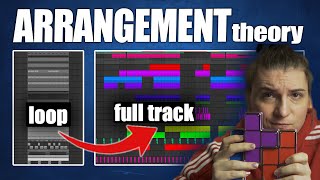
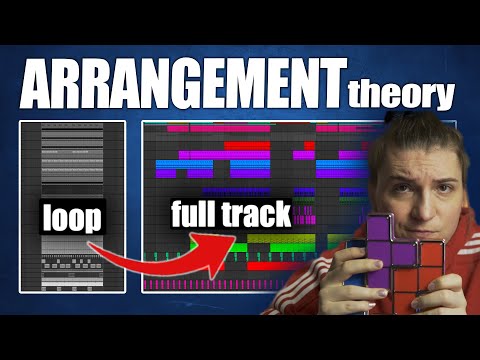
- Macro Arrangement FundamentalsDefinition & GoalsMacro arrangement involves shuffling the track using 4 to 16 bar loops and creating a concrete idea or story. Transitions, automations, and effects are not important at this stage—focus only on the main idea and structure of your track.Two Main Approaches• Top-down: Create your full chorus loop with all elements, copy-paste it throughout the track, then delete elements that don't belong to different sections (subtractive arrangement) • Bottom-up: Build the track element by element starting from the intro, developing as you go, adding components gradually without a pre-built loopPlanning ToolsUse MIDI channel markers at the beginning of your arrangement and apply consistent color coding to visualize different sections. This helps understand the overall structure and timing without relying on Ableton's default markers which are not visual enough.Timing ConsiderationsHit the first chorus around 2-3 minutes so listeners don't wait too long. Aim for track lengths around 7-8 minutes for techno. Use 16 bars for intro to give DJs adequate time to blend in.
- Single and Double Top-Down ArrangementsSingle Top-Down Method• Create one full chorus loop with all elements (16 to 32 bars) • Copy-paste this loop throughout the entire track duration • Gradually delete elements from different sections to create variation • Creates a more linear track developmentImplementation ProcessStart with the loop, place markers for intro, verse, bridge, chorus, break, and outro sections. Then duplicate the full loop and systematically remove elements that don't fit each section. For example, remove melodic elements from intro, remove hi-hats from early sections, introduce bass gradually.Double Top-Down Advantages• Create two separate loops: one for the chorus and one for the break • Allows more personal and interesting breaks compared to single source • Provides more tools to build full tracks with greater contrast • Easier to work with than single top-down approachUsing Reference TracksMatch a reference track's BPM to your project by aligning the first kick. Analyze the reference track's structure to understand how breaks, choruses, and verses are positioned. Use this as a guide for your own arrangement timing and section placement.
- Triple Top-Down and Bottom-Up ApproachesTriple Top-Down Strategy• Create three separate loops: chorus, break, and alternative chorus • Build all three elements before starting the arrangement • Use alternative chorus to cool down the track between main choruses • Provides enough time to build up to the second chorus • Most effective method for creating organic, non-linear track developmentWhy It WorksThis approach was used for approximately 80% of tracks produced in the past two years. It avoids the linear progression of single top-down and provides more interesting organic results. The alternative chorus bridges two main choruses while maintaining energy variation.Bottom-Up Approach• Start with intro and build the track element by element on the go • Introduce components as you progress through sections • Most difficult method for beginners due to consistency challenges • Better suited for live music productionBottom-Up with ReferenceUse a reference track alongside your project. At each section, identify elements in the reference (hi-hat, kick, bass, synth, melody) and create your own version of those elements. This maintains structural evolution while allowing creative interpretation and is ideal for beginners learning arrangement.
- Practical Arrangement ExecutionImplementation Steps• Start with your full loop and duplicate it across the timeline • Map out sections with colored markers for easy visualization • Systematically remove elements that don't fit each section • Test transitions between sections to ensure smooth flowElement Removal StrategyIdentify which elements belong to which sections. Remove melodic elements and pads from intro. Gradually introduce bass and hi-hats in the verse. Remove driving hats before bridges. Keep builds up and downs consistent with energy levels. Don't over-complicate—remember this is macro arrangement.Creating ContrastUse breaks to provide contrast by reducing energy levels. Remove elements like driving hats or leads before chorus transitions to create distinct feels. Build tension through strategic element removal and addition. Make each section feel distinct but connected.Final AdjustmentsOnce the structure is complete, verify overall track length meets your target duration. Ensure intro and outro are symmetrical. Confirm sections follow the logical flow: intro, verse, bridge, chorus, break, second verse, alternative chorus, final chorus, outro. Micro arrangement details come later.
- Advanced Structuring and Reference MethodsReference Track AnalysisMatch your reference track's BPM by aligning drum patterns. Observe the structural breakdown: intro length, verse duration, break placement, chorus positions. Identify bridge usage and build-down patterns. Note alternative chorus placements to understand pacing.Structural Deciphering• Identify intro with kick and hi-hat patterns • Locate verses where melodic development begins • Find bridge sections used for contrast • Mark break placements and their duration • Note alternative chorus sections • Understand artist's preference for repetition vs. variationArtist Style RecognitionAnalyzing reference tracks reveals artist preferences. For example, some artists favor frequent bridges and breaks to create contrasting energy on the dance floor. Others prefer longer loops with minimal changes. Understanding these preferences helps inform your arrangement choices.Building Your Own StructureAfter analyzing a reference track, apply similar timing and positioning to your arrangement. You can paste structural elements (intro, verse, break patterns) from your created loops. This creates consistency with your preferred style while maintaining your unique sound.
- Learning Path and Micro Arrangement PreviewBeginner Tips• Start with triple top-down approach as it's the easiest method • Use reference tracks from artists you want to learn from • Don't overload with more than three separate loops • Focus on macro arrangement structure before micro detailsProgression StrategyBegin with reference tracks to understand arrangement fundamentals. Gradually move toward your own arrangement decisions. Eventually use your previous tracks as reference tracks to maintain consistency while evolving. This builds style development across multiple productions.Common Pitfalls• Creating alternative courses that are too different from main chorus • Attempting too many separate loops (beyond three) creates fragmented tracks • Spending time on micro arrangement details before finalizing macro structure • Not using reference tracks when learning arrangement principlesNext StepsMacro arrangement focuses on structural foundation. Micro arrangement will be covered in a separate video and involves local changes, effects, and automation details. Master the macro structure first before adding micro arrangement refinements to your track.