Master These 4 EQ Moves for Instant Pro Sound
let me show you four EQ moves that will make a difference in your songs
4 chapters
- Dynamic EQ for Vocal SeparationThe ProblemTwo vocals clash when layered together - the main vocal and ambient vocal create unwanted frequency buildupStandard ApproachClassic EQ technique suggests boosting important frequencies on one vocal and cutting the same frequencies from the other, but this creates static EQ over timeAdvanced SolutionUse Dynamic EQ that reacts to a sidechain signal from the main vocal, automatically cutting conflicting frequencies only when neededRefinement Tips• Adjust sensitivity to control how aggressively the cut applies • Boost upper and bottom points of the cut to compensate for the original sound • Use Dynamic EQ instead of multiband compressor for more precision
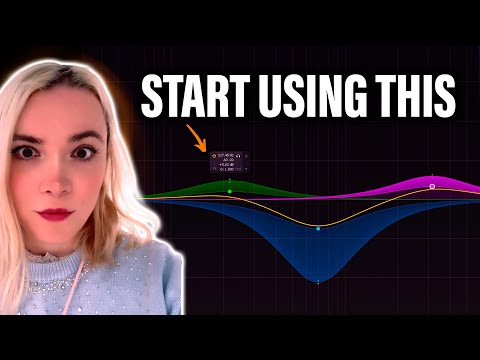
- Frequency Separation TechniqueHistorical OriginTechnique originated from the psychoacoustic principle where simultaneous boost and attenuation at the same frequency creates frequency separationHow It Works• Boost one frequency band while cutting an adjacent frequency band • Creates clear separation between different frequency ranges • Helps sounds pop in the mix while maintaining similar loudnessApplication MethodStart with a large bell curve on the frequency you want to emphasize, then smooth it out and add a cut just below to create separation and remove muddinessBest UsesEffective for vocals, bass, and any sounds that need definition without excessive volume increase
- Analog Sound Design with EQ and SaturationThe GoalAchieve analog warmth and character in digital synthesizers like Serum through intentional EQ and saturation layeringStep One: PrepareClean up and emphasize the high end with EQ to drive the saturation plugin more aggressively in those frequenciesStep Two: SaturateApply saturation plugin like Cutter to create harmonic distortion, with the high-end emphasis driving additional harmonics into the saturationStep Three: EnhanceBoost the newly created harmonics in the high end with another EQ move to emphasize the analog character and warmth
- Tightness Control with Mid-Range EQConceptEnhance the perceived tightness and definition of sounds by emphasizing their initial transient in the mid-range frequenciesFinding The FrequencyIdentify the top end frequency of the sound where transient clarity is needed, typically using a loose Q to avoid artifactsDynamic Approach• Switch EQ to mid-channel processing for mono signal handling • Apply slight static boost with significant dynamic gain reduction • This emphasizes the initial transient hit without boosting tails and effectsResultsProvides more definition on transients and mid frequencies, creating a tighter feel while keeping the overall mix clean and uncluttered. Works well on drums, especially hi-hats