10 Secrets of PRO Breaks and Hard DROPS (in 10 mins)
8 chapters
- Master Automation Techniques for Drop ImpactProblem SetupThe volume difference between break and drop is crucial. Everything in music is relative, so creating contrast is essential to make harder hitting drops.EQ Automation• Use channel EQ on master with both low and high frequencies automated • Cut lows by -3 to -6 dB (or more to exaggerate) before the drop • Cut high end to balance cut-off automations that happen laterImager TrickUse an imager on the master and decrease bandwidth to collect everything in the middle of the sound, creating focus when the drop hits.Expected ResultThese automations transform thin, narrow sounds into fuller, more impactful ones.
- Cutoff Filter and Lead Sound TechniquesPrimary MethodOpen up your cutoff filter gradually as you approach the drop to increase high frequencies and energy in your track.Overlooked Additions• Increase noise volume alongside cutoff opening, not just the filter alone • Detune your lead sound while approaching the drop using increased detailing amount in Serum • This creates an uncanny, building tension feelingSound Design ImpactCombining cutoff automation with noise volume and detuning creates a more powerful and engaging build-up.ExecutionIn Serum, simply increase the detailing amount on your lead sound to add the detuning effect during the break.
- Pad Layering and Reverb EffectsParallel ProcessingGroup your pad sounds into a return channel and add EQ and distortion/overdrive, then use a glue compressor to smooth everything together.Shimmer Reverb• Shimmer verbs are extremely important for creating ambience • Send sustained sounds like pads to shimmer reverb • Send at the end of the break to avoid cluttering the mixArpeggio EnhancementArpeggios are sustained sounds with slightly different timers that benefit from shimmer reverb treatment.PurposeThese techniques add energy and ambience to the break while keeping the mix clean.
- High-Pitched Tension and Chord ProgressionSound Characteristics• Use very high-pitched string sounds in the break • Most of the sound should come above 2 kHz • Apply heavy distortion and overdrive to exaggerate the super highsImpactHigh-pitched tension sounds are crucial to the break—removing them immediately reduces the impact and tension.Chord ProgressionChange the chord progression during the break and create slightly more dissonant progressions to add tension before the drop.Octave JumpsOctave jumps in the progression feel natural when surrounded by many other sounds, even if they seem odd when isolated.
- Drum and Percussion RollsHat Rolls Alternative• Add simple hat sounds and roll them instead of relying only on snare rolls • Hats provide rhythm when the break has no drums or percussion • Use shaper box to add percussive noise on top of hats for more dramaSnare Roll TechniqueTraditional snare rolls work well but require careful mixing to avoid cluttering.Cinematic TomsUse other percussion types like cinematic toms alongside snare rolls for variety.Sidechain ManagementSidechain your snare roll to other percussion so when they hit, the snare roll doesn't compete and becomes less obvious.
- Risers and Pre-Drop TechniquesRiser UsageAvoid using risers too much as they are a lazy way to create breaks and drops, but they are necessary in some parts to give release of energy.Downlifter AlternativeUse downlifter instead of traditional risers—it's subtle in the noise but very helpful for energy release.Reversed Lead TechniqueSample the lead tail and reverse it as an alternative to risers for a more creative pre-drop effect.Pre-Drop PurposeA one-bar break before the drop clears the ear and adds anticipation by using leftover elements like arpeggio and pad sounds.
- Drop Layering and Main Sound ConstructionChannel ReductionUse fewer channels in the drop than in the break to focus attention on the main sound, making it feel bigger and more impactful.Lead Sound Layers• First layer from Serum • Second layer from Hive • Third layer from Diva for aggressive sound • Final layer is kick sound for initial hitProcessing Chain• Add heavy distortion using Decapitator • Use imager to make sound narrower • Add software harmonics and EQ8 • Keep distortion as rich as possibleSpectrum CoverageThe layered lead sound covers almost the entire spectrum, so few additional sounds are needed to make the drop feel big.
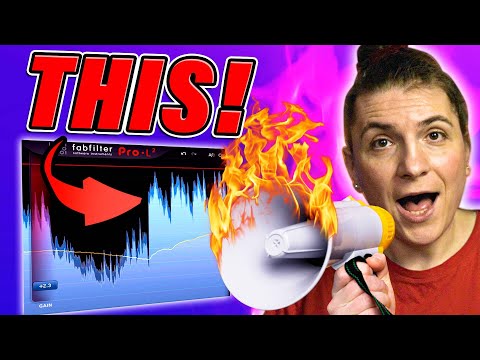
- Volume Dynamics and Final MixBreak VolumeKeep the break volume below the maximum during mixing so there is still headroom left for mastering.Pre-Drop SprayCreate a nice spray drop right before the drop hits to give even more dynamic range and emphasis.Impact MomentWhen the drop hits, create a big boom sound that stands out after the built-up tension from the break.Complete PictureAll the techniques combined—automations, effects, layers, and dynamics—work together to create a powerful, professional-sounding drop.