How to make DROPS - EDM Theory
5 chapters
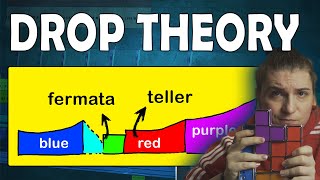
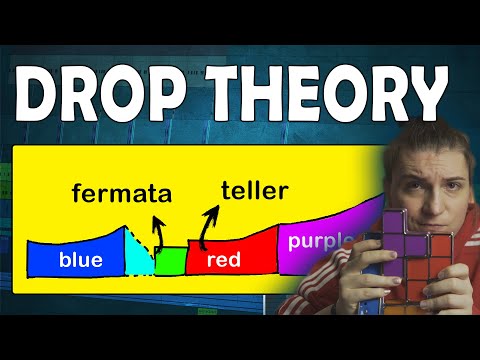
- Understanding Color Theory in EDM DropsBlue Color Characteristics• Frequencies tilted to the high end with high energy and active sound • Wide and rich stereo field utilization • Long reverbs and delays creating mushed up sound with diminished dynamic rangeRed Color Characteristics• Frequencies tilted to the low end creating deep and focused sound • Narrowed stereo field with elements sitting in the mid • Dynamic sound with short delays, short decays, and low effect amountsPurple Color Characteristics• Combination of blue and red with flattened frequency distribution • Rich high end and rich low end simultaneously • Stereo field utilized on the high end while maintaining tightnessPractical ApplicationUnderstanding these color basics helps pinpoint feelings and desired drop aesthetics in your production
- Drop Style One: The Delayed DropStructure Overview• Start with high energy break and build up tilted to the high end • Track gradually gets louder reaching a climax • Implement a firmata to drop the energy level before the main dropKey Elements• Teller: a short lead sound that hints how the drop will sound • Track transitions from blue to red, focusing on mids and tighter sound • Maximum energy occurs later than the anticipated original drop pointCommon Techniques• Wave-like increase in high end rather than linear increase • Automate cutoff in a wave pattern (up and down) for interest • Use shimmer and big reverb to build ambience • Send more elements to the shimmer as energy buildsGenre ApplicationVery popular in medic tech and main room peak time techno because it allows long breaks and build-ups with effective reset points for crowd engagement
- Drop Style Two: The Direct Purple DropStyle Characteristics• Start with blue part and lead straight into purple without extended breaks • Occasionally include a teller or firmata around the transition • Deliver the highest energy point of the track immediately at the dropAdvantageCreates a point of euphoria by dropping into the purple color, resulting in maximum energy impact suitable for festival performancesTechnical Implementation• Richer usage of noises and effects compared to delayed drop style • Can extend ambient noises into the drop to maintain continuity • Flatten frequency response from high-end tilt to balanced distribution • Utilize extra risers and effects for increased high-energy momentGenre PopularityEspecially popular in mainstream genres like progressive house, future house, and pop music where radio edits and shorter tracks require delivering the emotional peak earlier
- Underground Techno Approach and Genre AdaptationUnderground Aesthetic• No distinct blue, red, or purple colors with much closer color proximity • Very driving, strong percussive drives creating warehouse feeling • Drops and breaks not sharply separated from each otherFrequency ResponseRich stereo and pet side ambience in breakdown sections, shifting to very low and heavy sound when drop hits to remind listeners of the rave environmentTechnique Adaptation• Use reverse bell shape frequency response for deeper atmospheric ambience • Tune down effects to fit the darker, deeper genre style • Apply same techniques (like reverse symbol sound) but adapted for genre fit • Cut high frequencies with EQ and add subtle reverb for depthKey LearningUnderstand genre dynamics before applying drop theory; the same techniques work across genres but must be adapted to fit the specific style and create appropriate emotional journey
- Core Principles and Artistic ApplicationMain TakeawayBreak down different color types and think about colors while creating your next track to inform production decisionsEmotional FoundationPrioritize feeling over techniques; remember that feelings eat techniques for breakfast and should guide your creative choicesDesign Flexibility• You don't need to follow rules 100 percent - blend different styles together • Create your own sound by combining elements from different drop styles • Hybrid versions are valid and often more interesting than pure style adherenceGenre ConsiderationBe careful about applying theory before understanding the specific genre dynamics; different genres require different drop approaches and energy management strategies