19 Pro Producer Secrets in 4 Mins 🤯 (I wish I knew when I started)
5 capitulos
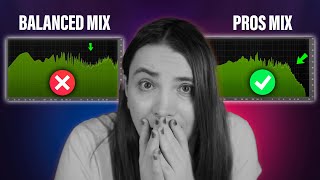
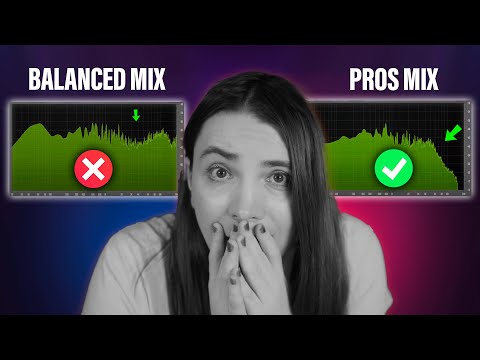
- Mix Philosophy and Workflow FundamentalsBalance ApproachBalanced mixes are safe and often work, but unbalanced mixes can translate unbalanced feelings better, which is sometimes more effective.Core Skills• Translating what you have in your mind to your DAW is your biggest asset • Nailing this down will give you a field day in music productionAutomation StrategyAvoid relying too much on modulation. Use automation instead as it's the fastest and easiest method, especially in emergencies.Tool Philosophy• Use loops, samples, presets, or AI tools without hesitation • Listeners don't care about your tools; focus on making your best song • All producers use some form of these resources
- Effects Control and Room TreatmentEffect MasteryThe more you control your effects, the more you can control the emotions in your track.Monitoring Priority• Your monitoring system is the first place to start, not random gear • Spend at least half the amount of money on room treatment as you spend on speakersPainter AnalogyLike a painter, no matter how expensive your color palette is, if you can't see properly, fix your eyesight first—meaning fix your room before upgrading gear.Feedback and Community• Don't be scared to get feedback from Discord channels or Facebook groups • You'll make new producer friends and end up making collaborations with them
- Organization, Backup, and Saturation TechniquesHandling CriticismIf someone bothers you with unwelcome feedback, don't defend yourself—just tell them it was intentional and watch them shut up.File Organization• Fill your favorite folders minimally with FX chains, plugins by type, unused melodies, and unused projects • Reorganize everything to save tons of timeBackup Strategy• Back up everything by 2028 to prevent losing half your work like the creator did when their computer crashed • Use one or two Cloud options to spread the riskSaturation Benefits• Making sound louder is much easier with saturation than using random vintage compressors • Saturation adds harmonics without messing up the dynamics of your sound too much
- EQ, Sound Selection, and Reference TechniquesEQ Caution• When EQing a sound, you get tricked by the enormous difference if you're boosting too much • Always try to compensate or look for auto gainSound Selection• Start with good sounds and keep ones that work well together • You don't need to be a sound designer, but understanding what works with what will really help youHeadphone Tips• Avoid the belly kiss white (resonant peaks) that everybody uses—it will make you hear ghosts • Use tight tips instead to avoid exciting your room modesIdea Recording• Record your ideas the moment you get them—sing, hum, or describe them • Use reference tracks when you can't figure out arrangement, mixing, mastering, or sound design
- Work Ethic, A/B Testing, and Self-CareCopying PracticeIt's okay to use reference tracks and learn from others, but don't copy their music—the music industry is dominated by hard workers, not just talented people.Success Factor• Talent gives you a head start, but hard work and dedication are the most common traits of successful producers • Hard work is what ensures success, not just natural abilityA/B Testing Habit• Get into the habit of doing A/B testing whenever you make a change • Try the A and B at the same loudness whether you're testing samples, presets, or mixesPersonal Value• You are the center of your music and the most valuable resource you will ever have • Take care of yourself—feed your body and mind