Why Your Mixes Sound Thin (and how to fix in 6 mix)
6 capitulos
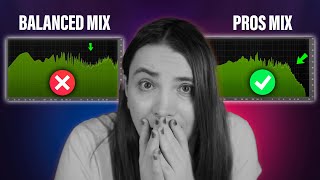
- Understanding Thin MixesWhat is ThinA thin mix occurs when the high end is boosted too much, creating an unbalanced frequency response that makes everything sound thin and sharp.The Problem• Boosting high frequencies more than low frequencies creates imbalance • Over-brightening leads to a thin, unpleasant sound • Common mistake in pursuit of a brighter mixWhy It HappensThe question of why is more important than how. Understanding the root cause helps prevent the problem rather than just fixing it.Preview of SolutionsThe video will explore six key techniques to fix thin mixes through theory and practical examples.
- Tilted Frequency ResponseThe IssueWhen high frequencies are boosted too much relative to low and mid frequencies, the overall frequency balance becomes tilted, making the mix sound thin.How to Identify• Look at the master fader to compare frequency ranges visually • Listen for excessive brightness in the high end • Compare similar frequency ranges that appear unbalancedQuick FixSimple volume adjustments to individual tracks, particularly reducing bright elements like hi-hats, can balance the frequency response significantly.Key AdjustmentAvoid high-passing everything too aggressively in the mix, as this removes important body and warmth from the overall sound.
- Dynamic Range IssuesUnderstanding DynamicsDynamic range is the difference between the quietest and loudest points of a sound. Sounds with very narrow dynamic range tend to sound thin and sharp.The Problem• Highly dynamic, sharp, and percussive sounds create a thin mix • Thin sounds lack sustain and body across their duration • Sounds that are mostly silent with quick attacks sound weakSolution Approaches• Layer thin sounds with fatter sounds to add body • Use compression to squish the sound and reduce dynamic range • Apply clipping to bring up the quieter parts of the soundPractical ExamplesReplace thin hi-hats with thicker alternatives, or use a clipper on sharp elements like claps to bring up the body while maintaining loudness levels.
- Stereo Imaging OveruseThe ProblemOverdoing stereo imaging by panning and modulating everything creates a confusing, spread-out mix that sounds thin and disconnected.What's Affected• Moving hi-hats around constantly • Club imagers that spread elements excessively • Arpeggios moving across the stereo field constantlySelective PanningSome elements like hi-hats can benefit from slight stereo movement, but excessive panning on everything is detrimental to mix cohesion.Better ApproachReduce unnecessary panning and let delays and reverbs naturally create stereo width instead of over-manipulating panning on individual tracks.
- Adding Saturation and Harmonic ContentUnderstanding SaturationSaturation and distortion add richness and harmonic complexity to sounds, making them fuller and thicker rather than thin and weak.When to Use• Add saturation to sounds that lack richness and body • Use distortion on guitars and other instruments to add character • Apply saturation in parallel to blend with the original soundPractical ApplicationUse plugins like Arturia to add subtle saturation to elements like hi-hats and bass. Overdrive can also introduce a slight volume increase while enriching the sound.BalanceFind the perfect amount of saturation to enhance richness without overwhelming the mix. Even small amounts can significantly improve thickness.
- Space and AmbienceWhy Ambience MattersIn the real world, we always hear the original sound together with ambience. Adding reverb and space makes mixes sound bigger, fuller, and less thin.Room and Reverb• Use drum plate reverb on percussions to add space • Add vintage reverb to sounds that need to sound bigger • Use side-chaining on reverb so the kick can breathe throughDelay for DepthDelays make elements more hypnotic and increase the stereo image. Use Fab Filter Time Piazza or similar tools to preserve the original sound clarity while adding depth.Final ResultCombining reverb, delay, and side-chaining creates a fuller, thicker mix with significantly more depth through small, precise adjustments.