How Afterlife Tom Grooves are so Deep and Pristine
7 chapitres
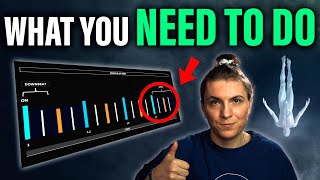
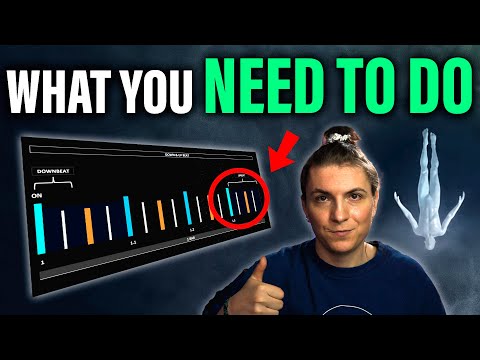
- Understanding Drum Beat TheoryStrong BeatsIn fourth-to-the-floor dance music, strong beats are where the kicks hit. The first beat in a bar is the strongest, the third beat is the second strongest, while the second and fourth beats are relatively weaker.On and Off BeatKick hits occur on beats (strong beats), while hi-hat speeds occur on offbeats. Counting is done as: one and two and three and four, with all 'ands' representing offbeat sounds.Downbeat and UpbeatDownbeat is the first speed in a bar (where the kick hits), while upbeat is the last speed of the previous bar. These concepts are extremely important for tom syncopation.Key TakeawayUnderstanding these foundational concepts is essential before creating deep and lush tom grooves.
- Selecting and Preparing Drum SamplesKick SelectionChoose a beefy and dark kick from quality drum sample packs like Unlock Drum Samples. Avoid kicks that are bright and heavy as they will clash with toms in the mix.Tom Separation• Separate low toms (replacement for sub bass) from high toms (for melody and continuation) • Place toms in a sampler and adjust the key relative to your track key • For a track in A minor, transpose toms down by three semitones to land on CPlacement StrategyAvoid placing toms on strong beats where kicks hit, as this creates cluttered mix and poor sound.Sound CharacteristicsMake sure low toms sound bass and dark, while high toms are slightly darker through EQ adjustments.
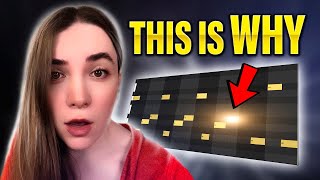
- Building High Tom Patterns and GroovePattern CreationFocus high tom placement on upbeats and the end of each quarter note. These positions create loops, tension, and drama in the groove.Variation Techniques• Duplicate and extend patterns to make them more interesting • Keep the same basic pattern but exaggerate certain parts • Play around with upbeat placements to add personal flavorAdding GrooveUse groove libraries and humanize the pattern by decreasing timing randomness and adjusting velocity to create a more natural feel.RefinementMove notes up and down and adjust lengths slightly to create subtle variations while maintaining the core pattern.
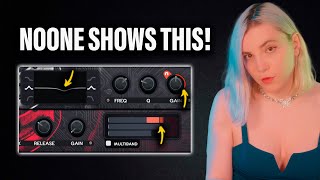
- Layering Percussion and EffectsPercussion Application• Introduce percussion sounds to glue everything together • Use percussion especially on upbeats • Select random percussion sounds from sample packs to enhance the mixRoom EnhancementApply channel reverb with significant wet amount to create a sense of space. Use EQ to keep the reverb dark and subtle, avoiding a mushy sound.Bass Layer AdditionInstead of sub bass, use a colored bass to add vibey feel. Spread bass across the stereo field to enhance the overall experience and avoid competing with toms.Sidechain Implementation• Create sidechain compression on bass triggered by the kick • Use Dynamic EQ in Ableton to make bass react to low toms • Map follower to gain parameter with 50/50 mode for smooth up and down ducking
- Group Processing and Low End SculptingGroup ElementsGroup all low end elements together and introduce saturation or distortion to bring additional harmonics and match sounds together.Glue CompressionUse a glue compressor set slowly and smoothly to create a pumping feel characteristic of this style, making the low end sound cohesive.EQ ShapingApply a channel EQ to create an EQ curve that makes all elements sound more glued together and unified.Integration MethodThe combination of saturation, glue compression, and EQ creates the signature deep and pristine sound.
- Advanced Effects ProcessingReverb Application• Use hybrid reverb on toms to add space • Be careful not to overdo reverb to avoid mushy sound • Stack reverbs subtly to enhance without dominatingDelay Effects• Apply echo and delays especially to high toms for entertaining effect • Use ping pong delays for stereo width • Don't apply delay to every hit; automate or use send automation for selective useParallel ProcessingCreate a return channel with heavy saturation and overdrive, send kick and toms to add definition and extra sizzle to the mix.Effect BalanceLayer effects subtly to maintain clarity and avoid over-processing. Make small adjustments until satisfied with the result.
- Final Mixing and FinishingCritical AdjustmentsPay close attention to low tom to kick relationship, as the low tom tail may overlap with the kick hit, requiring timing and EQ adjustments.Low Tom EditingShorten low tom tails if they're too long and interfere with kick hits. Use subtle EQ adjustments to prevent double tailing.Mix RefinementTake time to mix all elements together with proper balance and clarity. Reference a detailed drum mixing tutorial for deeper techniques.Final ResultThe complete process creates the deep and pristine tom grooves characteristic of modern deep house and melodic techno labels like Afterlife.