4 Hottest PATTERNS of PROGRESSIVE HOUSE
4 chapitres
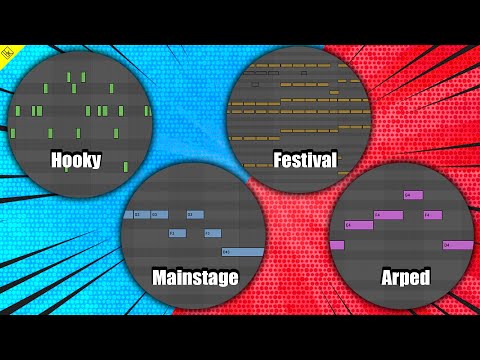
- Arped Supersaws PatternSound SetupUse Diva with DG Up template that comes with two super saws. Start by bringing down the mix to the left and reducing the cutoff frequency, then adjust sustain and release to avoid overly sustained sounds.Effects Processing• Add Diva chorus for nice stereo field • Place plate reverb on top • Increase depth parameters as needed • Enable high quality modeKey TechniqueAdd arpeggiator set to 16th notes. Play with the gate parameter to shorten the sound, creating darker and shorter or brighter and longer aggressive variations when combined with cutoff manipulation.Melody StyleUse simple, straightforward melodies in the same octave rather than technical or complex patterns. This approach works best when placed in darker progressive house loops.
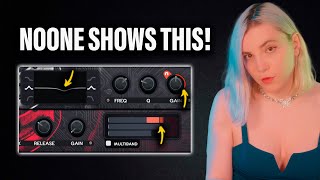
- Sustained Electric Guitar PatternPrimary Sound Design• Start with Serum sine wave using analog preset • Apply slight distortion to shape the waveform • Use pulse sweep modulation to create tonal variation • Add release envelope for guitar-like sustain when notes are releasedModulation & TextureApply fast LFO to fine pitch control for continuous pitch movement. Use monophonic mode and select filters that provide more open, guitar-like character with emphasis on mid and high frequencies.Effects Chain• Add distortion for electric guitar character • Layer with phaser effect • Include reverb for ambient space • Use parametric EQ pedal to reduce mids and trebles, boost certain frequenciesLayering ApproachCombine with a counter melody using Pigments with unison sawtooth. Create a bass line using perfect fifth intervals to support the main melody and add depth to the overall sound.
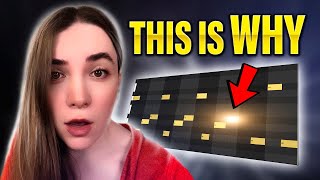
- Hook Variation PatternPattern StructureCreate catchy hooks by dancing around the root note of the key (D flat minor in this example). Use simple three-note alternations that are easy to remember while keeping the root note present throughout.Variation TechniqueAlternate notes slightly rather than repeating identical patterns. This creates entertainment value by keeping the hook recognizable while adding subtle variation that prevents monotony.Sound Design• Use dual sawtooth oscillators • Create smooth envelope with fast secondary envelope on cutoff • Add unison for stereo width • Layer white noise at moderate level • Apply randomness to pan and slightly to cutoffEffects & AutomationAdd EQ to cut low-end muddiness, apply reverb (Denise Perfect Plate), and use grouping to control dry and wet signal volumes. Map macro controls to cutoff and envelope for real-time sound manipulation during performance.
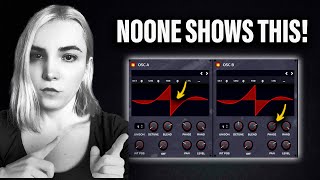
- Chord Progression PatternSound Design• Use sawtooth with wave table position movement for notch variation • Combine with analog oscillator for similar tonal quality • Apply 24 dB filter to both oscillators • Use plucky envelope with release tail for characterChord BuildingStart with simple single chords across 2-bar sections. Make subtle voice changes between chords rather than drastic progressions. Build gradually by changing single notes at a time instead of creating completely different chords on each hit.Progression Strategy• Begin with bass note of chord as foundation • Move bass notes up and down to create movement • Add counter melody by changing one note at a time • Create varied note lengths and rhythmic patterns for dynamic feelFinishing TouchAdd unison for lush feeling, apply LFO to wave table position for subtle analog movement, and implement chorus, reverb, and delay effects. Use macro controls for cutoff automation to transition between dark and open sounds.