
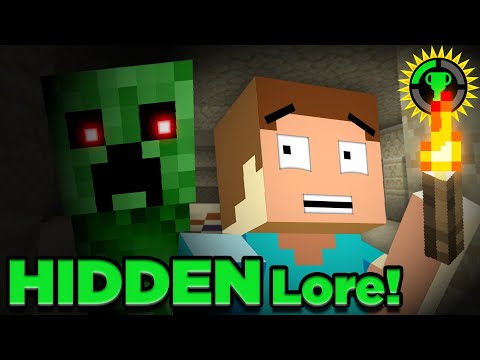
Game Theory: Minecraft, The Secret Desert Origin of Creepers
the show that continues to chisel away at the hidden lore of minecraft
7 chapters
- Introduction to Desert Biome LoreChannel OverviewGame Theory investigates hidden lore in Minecraft, covering underwater biomes, woodland mansions, caves, and portals to the Nether and End.Gap in CoverageThe desert biome has been largely ignored despite containing subtle game design decisions and details about Minecraft's lost history.Desert SignificanceThe desert biome is where everything in the lost history of Minecraft's world began, making it central to understanding the game's ancient civilization.Episode FocusThis episode explores cats, creepers, and desert temples, uncovering how they connect to the world's ancient builders.
- The Ankh Symbol and Ancient Egyptian ConnectionSymbol DiscoveryDesert temple blocks contain a symbol that resembles the ankh, a real-world Egyptian hieroglyph representing life and eternal existence.Design Significance• Minecraft uses a real-world symbol despite being a fictional world with a blank slate for adventure • Jungle temples and underwater temples lack real-world symbology, making this choice unusual • Developers could have chosen other iconic hieroglyphics like the Eye of Horus but selected the ankh specificallyAnkh MeaningThe ankh symbolized the continuity of life and was central to Egyptian beliefs about the afterlife, mummification, and eternal existence beyond death.Lore ConnectionThis ties directly to the theory of Minecraft's ancient civilization being obsessed with life and conquering death through eternal preservation.
- Creepers as Artificial CreationsTNT Connection• Desert pyramids contain TNT traps, one of few places TNT naturally spawns in the game • Creepers and TNT both explode and produce similar hissing sounds • Crafting TNT requires gunpowder, which comes from killing creepersPhysical EvidenceThe official Minecraft Bestiary shows a cross-section of a creeper with a TNT block at its center, revealing it as an artificial creation by an intelligent civilization.Temple ImageryThe Minecraft Bestiary states that ancient desert temples clearly portray the creeper's image, confirming the connection between creepers and the civilization that built the temples.Creation TheoryCreepers were likely made by the ancient desert civilization as part of their experiments with life and creation.
- Environmental Evidence and Ancient DesertsGreen Coloring ExplainedCreepers' green color could represent peat moss, decayed vegetation found near bodies of water like bogs, rivers, and marshes.Real-World Egypt Parallels• Modern Egypt is primarily desert and sand, but historically featured the Nile River surrounded by lush plant life • Peat moss is found near the Nile River in real-world Egypt • Minecraft deserts may have once flowed with rivers similar to the NileGeologic ProofGeologic formations like canyons in desert hills suggest they were carved by ancient waterways, similar to how scientists identify Mars once had water.Rock CompositionDesert sandstone is formed in rivers, lakes, ocean floors, and beaches—locations with water—confirming that Minecraft deserts once had aquatic environments.
- Ancient Builder Culture and ArtifactsBurial PracticesDesert pyramid chests contain bones and rotten flesh, similar to real-world archaeology uncovering preserved human remains in Egyptian pyramids.Cat Reverence• String appears frequently in desert pyramid chests, connected to cats who play with string and drop it when they die • Ancient Egyptians revered cats as sacred animals, with many deities having cat heads • Cats were believed to protect pharaohs, including their journey into the afterlife, and were often buried with pharaohsCreeper-Cat RelationshipCreepers actively avoid and are repelled by cats, suggesting the civilization that created creepers shared Egyptian reverence for cats and built cat protection into their artificial creation.Military PrecedentIn the 6th century BC battle of Pelusium, Persian soldiers used cats as shields because Egyptians refused to attack and risk harming the sacred creatures.
- Illagers as Cultural DescendantsWoodland Mansion Parallels• Woodland mansions contain giant cat statues, serving as tribute to the Minecraft lead designer's pet cat Newton • TNT only appears in two locations: desert pyramids and woodland mansions, both with booby-trapped chests • The specific placement of the cat statue in woodland mansions connects to the desert civilization's cat reverenceIllager ExperimentsIllagers experiment with eternal life using totems of the undying, mirroring the ancient builders' obsession with life preservation and immortality.Cultural ConnectionsCats, TNT, ankhs, and the quest for eternal life connect ancient Egypt to Minecraft desert temples to woodland mansions, suggesting a cultural thread linking these civilizations.Unanswered QuestionsIt remains unclear whether illagers are descendants of the ancient builder civilization or simply imitating it without understanding the original logic and reason behind the practices.
- Conclusion and Future ArchaeologyTheory SummaryCreepers may have been early creations of ancient desert builders experimenting with life, designed with cat protection due to cultural reverence for felines.Uncanny ConnectionsThe strange coincidences linking creepers, cats, and desert temples continue to build, suggesting intentional design by Minecraft developers rather than random lore coincidence.Archaeological FutureAn upcoming Minecraft update will enable players to conduct their own archaeological excavations, potentially revealing more about the ancient civilization.Channel PromiseGame Theory commits to covering all future lore discoveries as they emerge.