Secret trick for instant kick and bass glue
7 capitulos
- Understanding Low End FundamentalsKey Concepts• Dynamic range is the ratio between the loudest and quietest parts of a musical piece • Loudness variation operates on a micro scale, affecting how individual sounds evolve • Low end below 200 Hz requires smooth variation rather than high dynamic rangeWhy It MattersHigh dynamic variation in the low end creates an irritating explosion-like effect, while smoother variation is more pleasant to the ear and gives listeners time to adjust.Low End SeparationCreating loudness difference between very low frequencies below 150 Hz and mid-low range 150-400 Hz emphasizes the bottom while pushing back the mid-low, making the bass feel more powerful without increasing overall loudness.GoalSweetening up the low end through proven techniques used by professional producers and audio engineers.
- EQ Technique for Low End SeparationShelf EQ MethodUsing boost and attenuation simultaneously on a shelf EQ creates a low end separator effect. The attenuation curve reaches longer into the mid range, naturally separating frequencies.Frequency Targets• Boosts around 150-180 Hz for the low end lift • Cuts between 200-400 Hz in the mid-low range • Typical sweet spot around 30-60 Hz for electronic dance music, adjustable by frequency selectionResultCreates a smooth, warm low end sound with proper separation, though this alone doesn't address dynamic range smoothness.Implementation NoteWhile manuals may advise against boosting and attenuating simultaneously, this exact technique has been used successfully by professionals for many years.
- VCA Compression for Dynamic ControlCompression PurposeVCA compression brings the loud and quiet parts of the low end closer together, smoothing out dynamic variation.Settings• Bring threshold down to start compressing • Use moderate compression amount around 2-3 ratio, not aggressive • Use slower attack time to let the kick transition pass through initially • Medium release time, though this varies by track preferenceKey BenefitDecreases volume on the low end first, which is crucial because it reduces the dynamic peaks in the bass frequencies.Technique VariationSome producers use fast or slow attack and release combinations depending on the track.
- Pultec EQ and the Secret CombinationThe Real SecretRather than just voluming up the low end, separate it while keeping mid-range attenuation and boosting the super lows for a smooth, separated low end together.Process• Use compressor to tame dynamic range and reduce low end loudness • Apply Pultec EQ to separate low end from mid-low • Keep attenuation in mid range while boosting super lows • Result: softer but still louder low endBody EnhancementAttenuate around 4-8 kHz to pull up the body of the bass and reduce boomy frequencies while maintaining the super low boost.Final EffectCreates a smooth, warmer bass sound with glued kick and bass that feels cohesive and professional.
- Alternative Method Using SaturationSaturation ApproachReplace VCA compression with saturation to warm up the low end further by adding harmonics and distortion to the sound.Tools Used• Saturation plugin (such as Black Box Analog Design) adds warmth and authenticity • FET-76 compressor instead of VCA for more color and precision • Pultec EQ for separation, same as beforeBenefitsSaturation brings a warmer, more authentic character compared to pure VCA compression, creating additional body in the bass.ResultAchieves the same glued, smooth low end as the classic technique but with added warmth and harmonic richness.
- DAW Native Plugins Alternative (Ableton)Plugin Substitutes• Channel EQ simulates Pultec functionality • Glue Compressor works like VCA compressionSetup ProcessBring down attack on Glue Compressor, adjust release by ear, then use Channel EQ to manually create the boost and cut separation effect like Pultec.Customization AdvantageChannel EQ offers more flexibility than fixed Pultec options, allowing custom frequency selection for optimal separation.Mastering BenefitApplying this technique with lower dynamic range and increased loudness creates 5+ dB of headroom, making the track easier to master and louder overall without clipping.
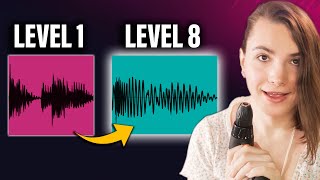
- Before and After ComparisonVisual DifferencesSpectrum analysis shows compressed low end frequencies sitting closer together without the technique versus clearly separated and controlled with it applied.Audio QualityThe treated version maintains higher loudness while having lower dynamic range, creating a smoother listening experience.Dynamic ImpactWithout treatment, there's significant difference between each hit and the bass; with treatment, these are softened into a cohesive glued sound.Practical AdvantageLower dynamic range improves mastering headroom, allowing for easier loudness optimization and louder final masters.