The Reverb Mistake Almost Everyone Makes (And How to Fix It)
Do you have reverbs sounding bad? Learn how to fix them.
4 capitulos
- Understanding Reverb's Impact on SoundThe ProblemReverb used as an insert effect drastically changes the level and transient behavior of your sound, reducing dynamic range and making sounds mashed together.Key InsightReverb is the most fundamental effect in music production that requires mastering for improved sound quality.Common MistakeUsing reverb as an insert instead of as a special effect can change the character and dynamics of your sound unintentionally.The SolutionUse return channels or parallel chains to apply reverb without drastically altering the sound's dynamics and level.
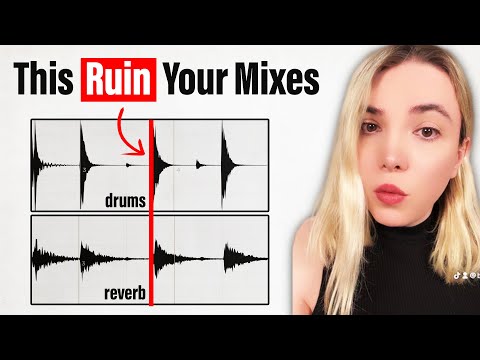
- Designing Reverb for Transient Sounds (Drums)Initial ChallengeTransient sounds like drums or plucks create a fluttery, messy sound when mixed with reverb because the transient and reverb peaks align too closely.Pre-Delay Solution• Use pre-delay settings to move reverb tail away from the initial transient • Higher pre-delay creates bigger room feel and snappier reverb • This technique gives room for the transient to breathe before reverb arrivesShaping Techniques• Use clipping or saturation to shave down transient peaks before hitting reverb • Apply EQ to remove super highs and lows from initial sound • Focus on mids for tighter room feeling with dampened highsAdvanced Control• Side-chain compression from drums to reverb for better transient shape • Align decay time to track BPM for natural rhythm • Adjust mix level for desired room intensity
- Creating Pad-Like Ambient ReverbsDesign GoalCreate sustained, warm reverb that acts like a pad underneath melodic sounds, providing emotional ambience rather than spatial definition.Key Parameters• Remove pre-delay to avoid ducking and create continuous warm sound • Use longer decay time for sustained reverb tail • Choose whole-type reverbs for beautiful, warm characterCleaning the Source• Use limiter to remove attack sounds from plucky sources • Apply EQ before limiter for darker, warmer tone • Create clean plucking without harsh transientsPreventing MaskingUse resonance suppression techniques to open spaces for original sound so long reverb doesn't mask the underlying pluck character.
- Shimmer Reverb and Mixing Final ResultsShimmer Characteristics• Shimmer reverbs are extremely sustain with self-feeding feedback loops • Creates single, continuous sound from initial trigger • Produces ethereal, atmospheric qualityProcessing Method• Remove super lows and get all highs for shimmer definition • Use limiter to control sustain • Apply resonance suppression for clarityLayering ApproachCombine hole-type reverbs with shimmer reverbs for different color and emotion, creating depth and contrast in the mix.Taste Control• Increase shimmer for more emotion, contrast, and drama • Reduce shimmer for darker, more depressed character • Adjust hole reverb level for desired ambience intensity