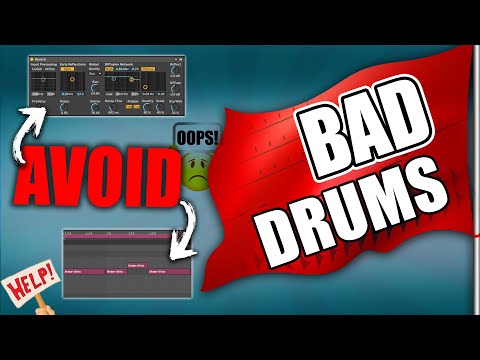
4 Red Flags of BAD DRUMS (Avoid making these!)
4 capitulos
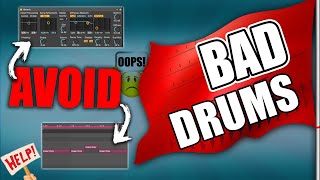
- Stereo Field Balance in DrumsProblem Overview• Beginners focus only on sound itself without considering the stereo field • This leads to drums cluttering in the middle with a muddy sound • Producers often overcorrect by panning every element, creating an unbalanced stereo imageCore PrincipleGood stereo balance comes from understanding each element in your track and strategically placing them in the stereo field, not distributing everything equally.Practical Techniques• Keep low end very mono for clarity • Use dynamic panning with LFO or random pan controls for repeating elements • Limit panning to approximately 25% to avoid excessive stereo spread • Balance complementary elements on opposite sides (left and right)ResultProper stereo balancing creates an improved, more breathable sound that is easier and more pleasant to listen to without losing the groove and rhythm.
- Compression and Dynamic RangeKey Distinction• Dynamic sounds have volume levels that change over time with natural variation • Compressed sounds have steady volume levels that remain consistent for longer periods • Different kick samples demonstrate this difference in visual and sonic formWarning SignOver-compression removes all dynamic variation, making drums sound robotic, unnatural, and overly digital.Visual ExampleUsing a limiter/clipper that removes all variation demonstrates how dynamic range affects a track—compressed versions sound immediately lifeless compared to dynamic versions.ImportanceThis is a major red flag that separates quality drum production from amateur work. Be careful not to crush the dynamic range of your drums.
- Groove and Human FeelDefinition• Groove is the imperfection in rhythm combined with changes in volume and frequency response • It occurs when drums and percussion elements do not strictly follow the grid • Velocities vary to create natural, dynamic volume changesImplementation Methods• Use Ableton's grooves library to apply pre-made groove templates • Manually delay snares or claps slightly after the kick to add lag and extra groove • Adjust velocity-to-volume mapping to control how much velocity affects volume levels • Apply groove concept to shakers, percussion, and other elementsEffectGroove makes listeners feel compelled to dance and creates a natural, human feeling. Without it, drums sound robotic even if technically correct.Genre ImportanceEspecially critical for deep house, progressive house, organica, electronica, downtemp, and tech house. Groove is essential for danceability in these genres.
- Muddy Drums and Reverb ManagementProblem DefinitionUsing different reverbs and delays on each drum element causes sounds to sit in different spaces, creating inconsistency and making individual elements difficult to distinguish.Why It Happens• Each reverb has different tail lengths and room characteristics • Multiple reverbs create competing space and room feelings • Tails blend into other elements, creating a muddy overall soundSolution• Create return channels (drum verb, whole reverb, delay) instead of per-element processing • Send related elements to the same return channel to glue them together • Use consistent reverb settings across complementary sounds • Consider sound selection—brighter high-hats help separate from other elementsResultProper reverb management creates tight, cohesive drums where each element remains clear and distinct without muddiness. This differentiates professional producers from average producers.