This Will Fix Most of Your BASS Problems 🔊
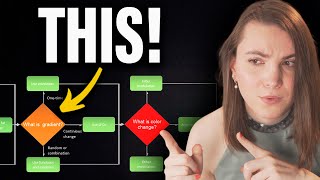
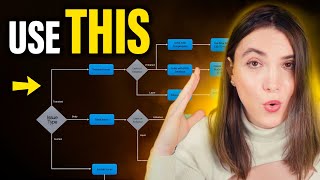
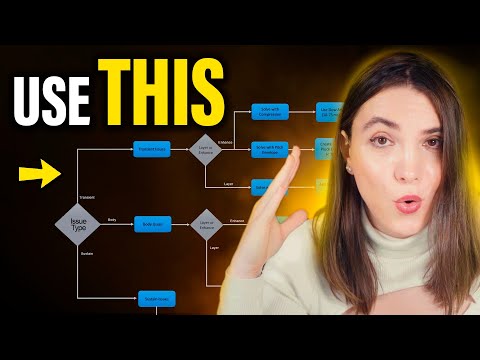
I built this flowchart to fix your problems with your bass sound
8 capitulos
- Phase Issues and Interchannel Phase AlignmentProblem IdentificationInterchannel phase issues occur when multiple channels interact and cancel each other due to phase misalignment. When summing a sustained bass sound with a kicked sound, the waveforms can conflict, causing unexpected volume changes instead of simple addition.Detection MethodUse an EQ low pass filter combined with a tool to visualize volume levels. When zoomed into the waveforms, you'll see the sustained sub going down while the kick goes up, causing cancellation.Solutions• Render channels individually to isolate issues • Manually phase align channels by matching zero crossings where volume levels cross zeroResultsProper phase alignment creates the expected combined volume levels, producing a day and night difference in bass stability and overall sound quality.
- Intrachannel Phase Issues and StabilizationIssue SourceIntrachannel phase issues occur within a single channel when a sub bass is stereo with unison voices that start to cancel each other, making the low end unstable and inconsistent.Fundamental Approach• Add a high pass filter with EQ to remove fundamental frequencies • Create a separate layer with the same notes • Generate a dedicated sub bass on another layerAdvanced TechniquesUse a parametric EQ to target and compensate for movement in specific areas. Alternatively, use Serum's remove fundamental feature to create a perfect high pass filter, then add an oscillator one octave down with a sine wave.Stability ResultsProperly separated and layered bass becomes much more stable, with consistent volume centered in the middle rather than fluctuating across the stereo field.
- Single Bass Stabilization with EQ and CompressionIsolation ProcessUse an EQ3 to split the bass into two chains: one with only high and mid frequencies, another with only low frequencies. Route both through a utility to convert low frequencies to mono or decrease stereo width.Volume ControlAddress volume fluctuations using a compressor for moderate changes or a limiter for aggressive fluctuations. Multiple limiters can be cascaded if needed for severe instability.Cleanup Steps• Use an additional EQ8 to clean up any artifacts created by compression or limiting • Apply utility to balance the overall output levels • Ensure smooth transitions between frequency rangesFinal Bass QualityThe result is a much more stable and controllable low end without adding extra layers to the original bass sound.
- Envelope Issues: Transient EnhancementProblem ContextTransient issues occur when the initial attack of a bass sound is too quiet to cut through the mix. The best approach is addressing envelope issues at the source, but if that's not possible, external processing can help.Compression MethodUse epic compression with a slow attack to let the initial transient pass while compressing the rest of the sound, creating a beautiful prominent transient that helps the bass cut through the mix.Envelope Modulation• Create a short, plucky pitch envelope mapped to pitch shift for an initial punch • Add a filter envelope assigned to cutoff for high-pitched sound definition • Layer a percussive click sound or noise with envelope and filterLayering AlternativeUse a separate MIDI track with drum samples (like clicks from a kick library) in a drum rack, or add subtle noise with Serum using a filter and envelope blended with the original sound.
- Envelope Issues: Body and Presence EnhancementEnhancement BasicsEnhance bass body by adding harmonics through distortion, drive, overdrive, or saturation. These methods thicken the sound and give it the presence it needs to cut through a mix.Distortion Methods• Static distortion: Apply consistently using tools like Arturia's Culture Vulture • Dynamic distortion: Map distortion amount to an envelope so it's aggressive at the beginning and fades out over timeLayering ApproachFind a complementary sound that works with your original bass, group them together, add EQ, and apply glue compression to even out the envelope across both sounds.Subtle EnhancementUse a return track and send your bass to it. Apply clipping and EQ before clipping to cut super lows, then add reverb and distortion for warmth and juiciness while maintaining control.
- Envelope Issues: Sustain SolutionsCompression TechniqueUse compression with fast attack and release to bring up quiet sustain sections. Increase input to catch transients, then boost output to raise the sustained portions and create balanced envelope.Aggressive ApproachUse a limiter with reduced ceiling to shave off peaks and keep a sausage-like sustain. This eliminates transient entirely and creates a pure sustained sound.Surgical Method• Render and zoom into your bass sound • Cut the sustain area that needs boosting • Raise the level and create smooth transitions • Resample that section and load into a samplerSampler ControlPlace the resampled sustain in the sampler mode to extend as long as you want with crossfade for smooth transitions. This provides the most surgical solution for sustain problems.
- Groove Issues: Pattern and SyncopationOff-Beat PlacementBreak apart upbeat patterns by placing notes around the off-beat rather than on-beat. Utilize the space left after the kick with patterns that balance the rhythm, making the groove immediately more danceable.Syncopation AdditionAdd syncopation by introducing notes that bridge gaps or repeat quickly to increase grooviness. These connecting notes help the pattern flow better and make the sound more cohesive.Expectation BuildingCreate small breaks before syncopation to build expectation with your listeners, making the syncopated notes feel more impactful when they arrive.Groove QuantizationApply groove library patterns to your note placement, which slightly alters the timing to add relaxation and natural feel to the overall rhythm.
- Groove Issues: Accentuation and DynamicsVelocity MappingMap velocity or keyboard pressure to different parameters in your instrument. Hitting harder opens the filter cutoff more, mimicking how a bass player naturally plays with varying dynamics.Parameter Assignment• Assign velocity to cutoff for filter modulation • Map to volume for dynamic emphasis • Connect to envelope controls and filter parametersSide-Chain ControlSide-chain the kick to your bass using compression so the kick hits and the bass ducks. This interaction helps both the mix clarity and the groove feel.Additional Groove LayersUse LFO modulation to gradually open the filter cutoff across bars, add automation to emphasize musical changes, and apply delay effects on return channels to add space and movement to the bass groove.