LA PREMIÈRE VILLE DU MONDE PRIVÉE D'EAU ? - Tour du monde #7
3 chapters
- Cape Town's Historic Water CrisisSituation actuelleCape Town is South Africa's second-largest city and could become the world's first major metropolis to run out of water due to a historic drought lasting several months.Mesures d'urgence• Residents are encouraged to use minimal water • Tourists receive guidance at airport on water conservation • Showers limited to less than 90 seconds • Hand sanitizer recommended instead of water • Water allocation restricted to 50 liters per person dailyDay ZeroDay Zero is the predicted date when water will be cut off from all households, calculated based on water reserves and consumption. It is currently set for early April.ConséquencesThe situation is critical, with potential for widespread water cuts affecting the majority of the population if Day Zero occurs.
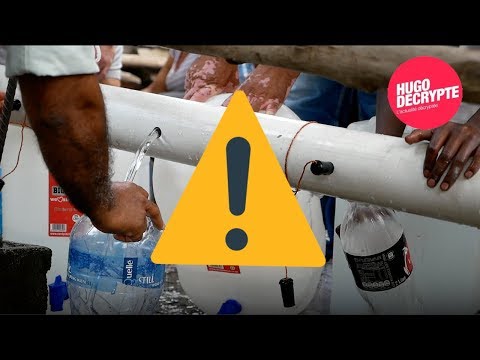
- Emergency Response and Water DistributionExemptions partiellesIf Day Zero occurs, hospitals and certain tourist zones and restaurants will not have water cut to protect essential services and the tourism industry.Points de collecteThe city will open approximately 200 water collection points managed by neighborhood residents where people can gather water.Restrictions strictesResidents will be limited to collecting no more than 25 liters of water per collection visit.Durée estiméeSuch a scenario could last up to three months while waiting for rainfall to return.
- Political Tensions and Government ResponseAccusations politiquesMayor Patricia de Lille is accused of mismanaging the water crisis and has been removed from her duties over this issue.Divisions gouvernementales• Cape Town is controlled by the Democratic Alliance, the main opposition party • The ruling ANC is historically Nelson Mandela's party and currently governs at the national level • The national government appears unwilling to assist the opposition-led cityImpasse politiquePolitical tensions between the opposition-controlled city and the ruling national government are hindering collaborative solutions.Perspective critiqueThe situation continues to deteriorate and requires close monitoring of developments in the coming days.