Résidus de médicaments : une contamination avérée des rivières et nappes phréatiques
Les médicaments que nous consommons ne disparaissent pas complètement après usage. Ces substances, une fois consommées, suivent un parcours qui les mène jusqu’aux rivières et nappes phréatiques, posant des questions importantes pour l’environnement et la santé.
Medications we consume do not completely disappear after use. These substances, once consumed, follow a path that leads them to rivers and groundwater, raising important questions for the environment and health.
3 chapters
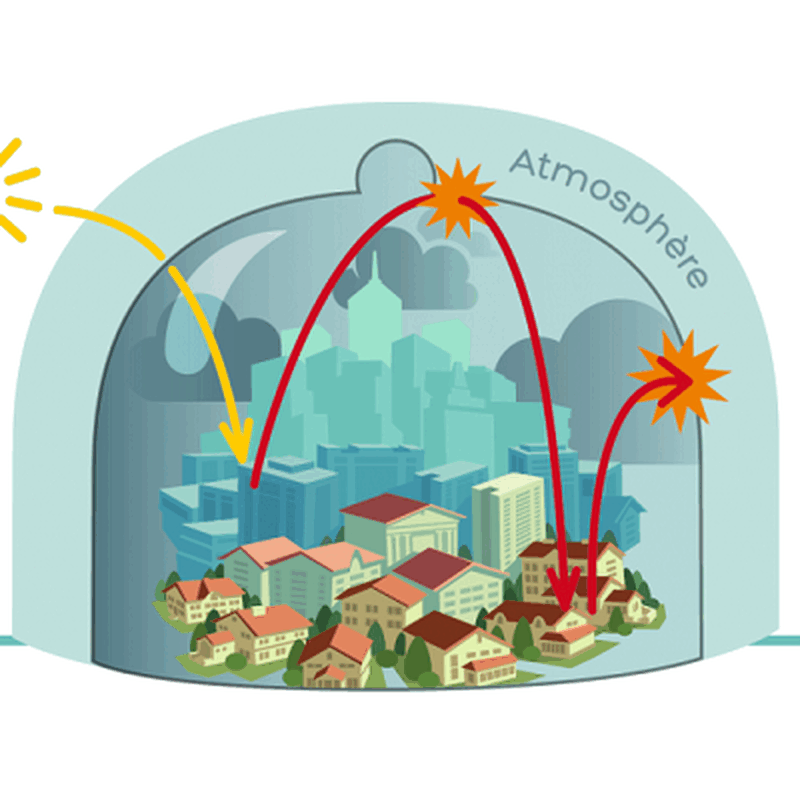
- How do medications contaminate water?Medication consumptionWhile medication consumption is declining in France, certain drug families remain widely used, such as antidepressants and antibiotics. France is actually the 4th largest consumer of antibiotics in Europe, behind Greece, Romania, and Bulgaria.Wastewater dischargeOnce ingested by patients, medications are partly eliminated through urine and feces. They then enter wastewater, whether from homes or healthcare facilities. However, treatment plants are not designed to filter these substances. They retain some, but still release many into the environment.Pharmaceutical industrial dischargeThe pharmaceutical industry can also be a source of releases in certain cases. This can occur during a production incident, or when water treatment methods are not sufficiently effective.
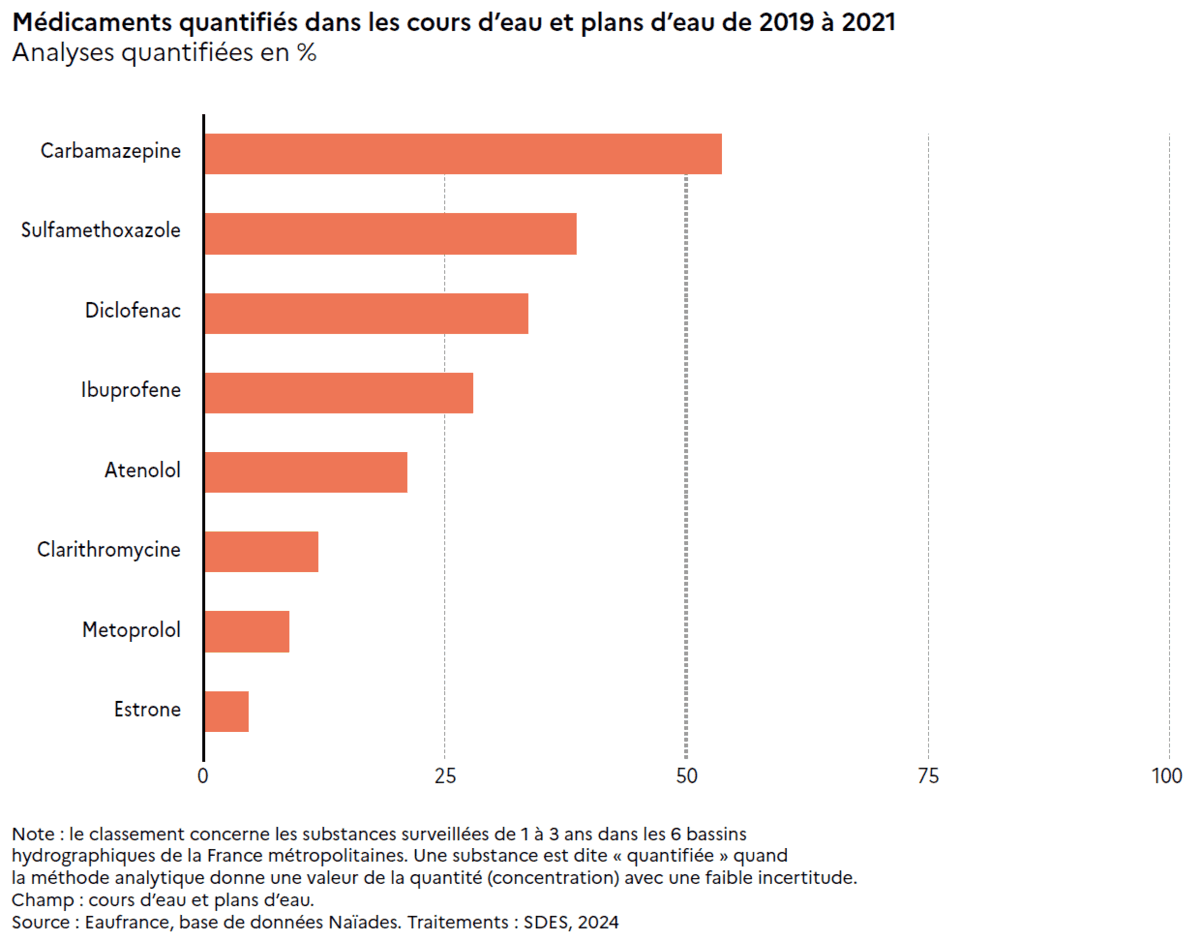
- What contamination of rivers, lakes, and groundwater?Detected medications• Between 2019 and 2021, eight medications were regularly detected in rivers and lakes across metropolitan France. Some are present in more than a quarter of analyzed samples: • carbamazepine, a medication used to treat epilepsy and depression; • sulfamethoxazole, an antibiotic; • diclofenac and ibuprofen, two anti-inflammatory drugs. • Other medications are also found, such as anti-inflammatories, antibiotics, or an estrogen used as a contraceptive.Groundwater contaminationGroundwater is also affected. Fifteen residues have been identified there, but less frequently. Two substances are detected in more than 10% of analyses: carbamazepine, already mentioned, and caffeine, more likely from consumption of products like coffee or caffeinated beverages than from medication.
- What are the impacts on environment and human health?Aquatic life effectsThese medication residues are present in trace amounts in water, on the order of nanograms per liter (a thousand times less than a milligram per liter). Yet they remain very potent. Because they were designed to act on living organisms, they continue to have effects on aquatic animals. These substances accumulate in organisms and disrupt reproduction in fish, birds, and marine mammals. They can also alter their behavior. For example, the sharp decline in vulture numbers in certain regions has been linked to diclofenac, an anti-inflammatory, present in their bodies.Human health risksIn humans, the effects of regular exposure to these residues through drinking water or food are not yet well understood. However, one danger is already identified: antibiotics released into the environment promote the emergence of bacteria resistant to treatments, which is a major concern for public health worldwide (source: SDES).