Repenser les déplacements pour préserver les ressources naturelles
Malgré l’évolution des manières de se déplacer, la voiture reste indispensable chaque jour pour de nombreux Français. Mais cette dépendance a des conséquences importantes sur l’exploitation des ressources naturelles, en plus des émissions de gaz à effet de serre. L’industrie automobile s’investit dans la recherche de solutions plus respectueuses de l’environnement.
Despite changing travel patterns, cars remain essential for many French people daily. However, this dependency has significant consequences for natural resource exploitation, in addition to greenhouse gas emissions. The automotive industry is investing in finding more environmentally responsible solutions.
3 chapters
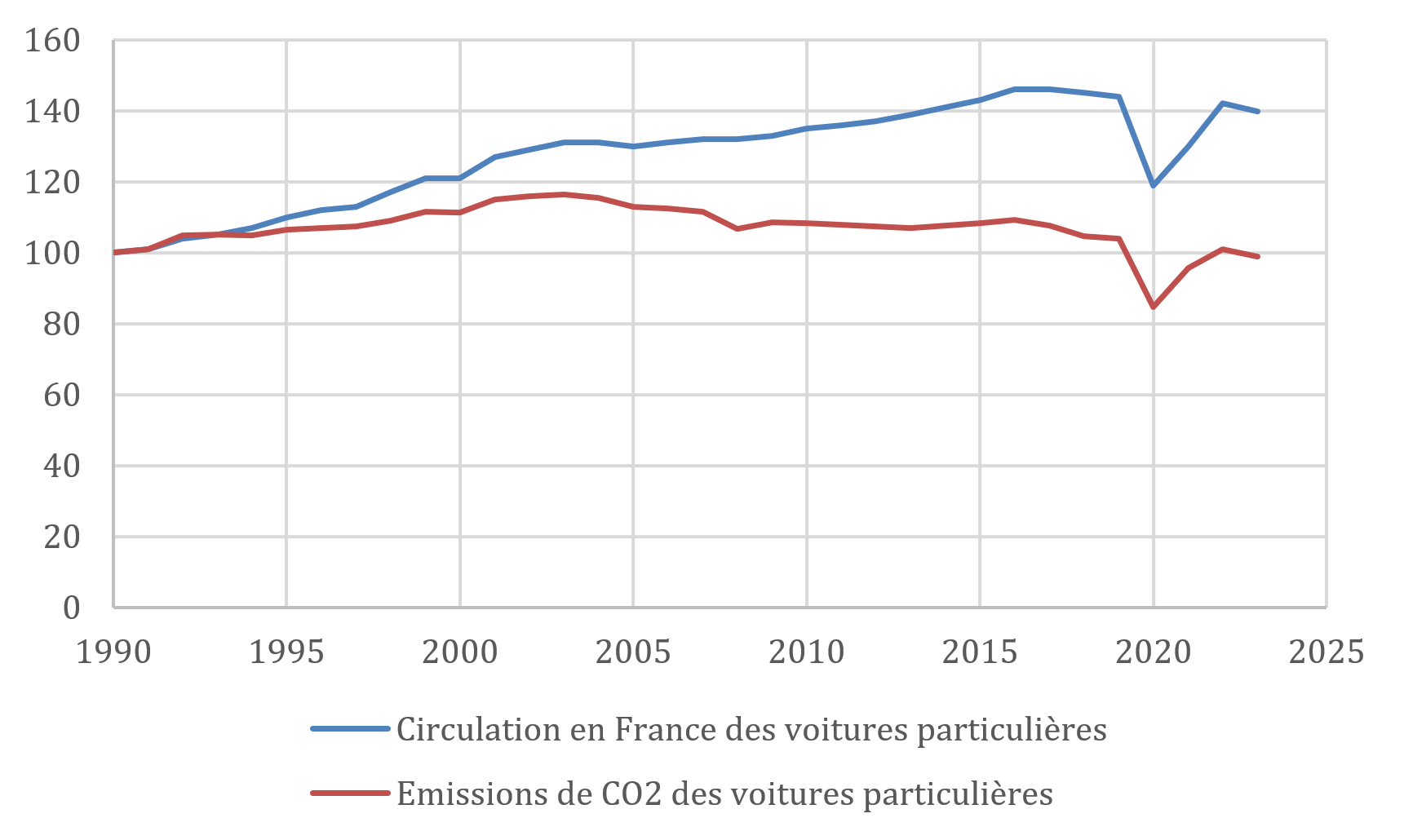
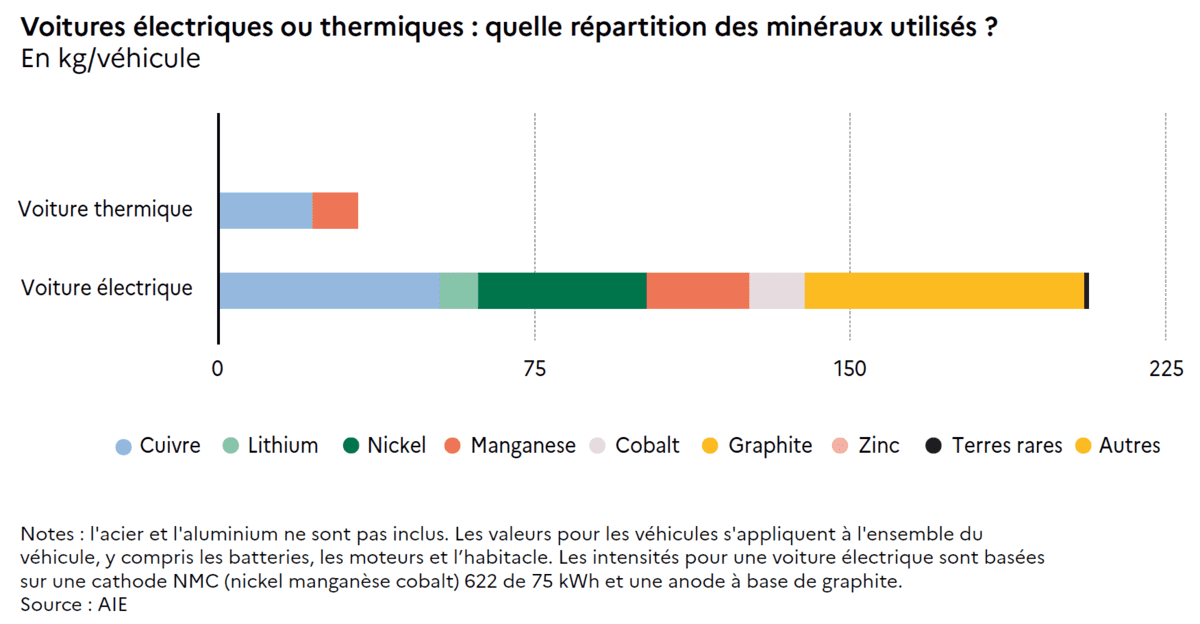
- Individual cars and the environmentCar dependency figures• In 2023, 1.8 million new cars were registered in France, including just over 300,000 electric cars and 160,000 plug-in hybrid cars. Additionally, more than three out of five French people, 63% in 2022, remain pessimistic about the feasibility of daily life without a car (source: SDES). • This car dependency is a serious problem for greenhouse gas emissions and the preservation of natural resources. Gasoline, diesel, or electric cars all require large quantities of energy, metal, or mineral raw materials for their manufacture and operation.Key figures• 63% of French people's regular trips are made by car, far ahead of walking, public transport, and cycling. • 83% of French households own at least one car in 2023. • More than a third of French people consider it essential for their daily travel.Raw materials and minerals• An electric car contains an average of 207 kilograms of minerals (excluding steel and aluminum); • The construction of electrical and electronic components, particularly batteries, requires the use of so-called "critical" raw materials, such as graphite, copper, cobalt, nickel, lithium, and manganese, which are rare or depleted in France and Europe; • In comparison, a gasoline or diesel engine car needs only 34 kilos of these materials, but uses fossil fuels, such as oil that must be imported, to operate. • Moreover, as cars have become increasingly heavier in recent years, they require more materials for their manufacture (source: SDES).Environmental and social consequences• This overconsumption of resources poses a threat to the environment and a risk to our import dependency. The consequences are multiple: • Mining can cause social problems with dangerous working conditions for workers and lead to habitat destruction for animals; • The use of oil in vehicle manufacturing and operation has major consequences for climate change and public health; • Raw materials used in cars, especially electric ones, are heavily concentrated in certain regions of the world. • Quantity of minerals used in electric and gasoline cars
- Imagining more environmentally responsible transport solutionsEuropean and industrial framework• Ecological and social concerns must be considered while preserving individual freedom of movement. The European Union's decision to ban the sale of new gasoline vehicles by 2035 is an important step toward achieving carbon neutrality in the transport sector by 2050. • To succeed in this transformation, companies, particularly in the automotive sector, play a key role in developing new, more environmentally friendly technologies. • The automotive industry is the leading research branch of manufacturing industries in France. It invests more than 4 billion euros per year in research and development, ahead of aeronautics and the pharmaceutical industry (source: PFA sector).Automakers' focus areas• Transitioning to electric and hybrid engines; • More efficient use of materials in vehicles; • Recycling of critical materials; • Eco-design of vehicles to facilitate their recycling.Innovation and new services• Development of new transport services to reduce car usage and numbers; • Intelligent ride-sharing solutions to ease city travel; • Free-floating electric vehicle sharing platforms; • Autonomous public transport systems.Public sector supportPublic authorities encourage these research and innovation projects with tax benefits, subsidies, or public-private partnerships. For example, the "France 2030" investment plan provides one billion euros in aid to the automotive industry for projects on electric batteries.
- The challenge of reducing car dependencyMultiple obstacles• Transport services are transforming thanks to the efforts of companies, citizens, and public authorities to develop alternatives to individual cars. However, this evolution faces several obstacles. • Roads built for cars, not alternatives: current city and road planning favors automobiles. The lack of suitable infrastructure for pedestrians, cyclists, and public transport makes these alternatives less practical in daily life. • French attachment to personal vehicles: cars represent freedom, independence, and flexibility for many. In 2023, more than a quarter of French people say they will keep their car even with rising costs or better alternatives such as public transport, walking, or cycling (source: SDES). • Different transport solutions by region: in rural areas and city outskirts, public transport is often underdeveloped, and distances are too long for walking or cycling. • Innovation costs: cleaner transport technologies require significant investment in research and raw or recycled materials, which usually affects purchase prices. These high costs can slow the development of promising solutions, such as lithium-free alternative batteries.Toward new practices• The transition to more ecological transport thus requires mobilization of public authorities, consumers, and the automotive industry. Reducing car dependency requires questioning its place in daily life. • Several solutions are developing, such as remote work, videoconferencing, distance health and education services, and online shopping. However, it is essential to properly measure the environmental and social consequences of these solutions.Young companies leading the charge for future mobility• A significant number of startups are turning toward electric and autonomous cars, vehicle sharing, and ride-sharing. • To support them, automakers invest in these young companies or establish partnerships with them. According to a study by Via ID and Dealroom.co, the transport sector attracted massive venture capital investment of 2.5 billion euros in 2023 in France. The country is thus the second European investor in the sector, behind the United Kingdom but ahead of Sweden. • Currently, France has 127 mobility-focused startups. Among them, two have achieved "unicorn" status, meaning a company valued at over one billion euros: • NW Groupe, specialized in electricity storage and high-power electric charging; • BlaBlaCar, the international reference in ride-sharing. • The government's "French Tech 2030" program also supports these promising young companies.