
Qui sont vraiment les Québécois ?
6 chapters
- Foundations: 12,000 Years of Indigenous PresenceHistorical ContextQuébec's identity is built on more than 12,000 years of history, from the First Nations to today, forming a complex tapestry of interwoven cultures.Nations Present• Abenaki, Anishinaabe, Atikamekw, Cree, Wendat, Innu • Wolastoqiyik, Mi'kmaq, Kanien'kehá:ka, Naskapi, Inuit • In total, 11 First Nations and the Inuit coexist on the territoryLifestyles• Semi-nomadic nations: hunting, fishing, gathering in small groups • Sedentary nations: large palisaded villages, communal agriculture of corn, squash and beans • Major confederacies like the Haudenosaunee Confederacy and Wendat ConfederationKey TerritoriesIroquoian-speaking nations occupied the Saint Lawrence Valley to the Great Lakes, including the Wendat, Haudenosaunee, Neutral, Tionontati and Erie.
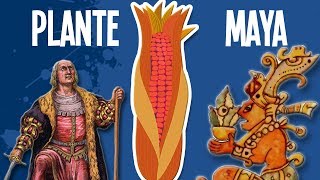
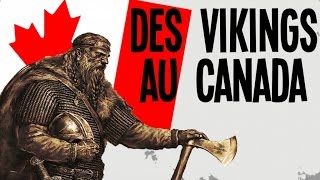
- First European Contact and Its ConsequencesLegends and Reality• Legend of Saint Brendan's Voyage in the 6th century: never confirmed by historians • Icelanders establish an outpost at L'Anse aux Meadows in the 11th century • Christopher Columbus lands in the Bahamas in 1492, after the last Scandinavians vanish from GreenlandJacques CartierA sailor from Saint-Malo, sent by Francis I to search for a passage to Asia. He explored the Gulf of Saint Lawrence, met indigenous peoples and officially claimed the territory for France.First Settlements• Cartier names the colony 'Canada', an indigenous word meaning 'village' or 'settlement' • First settlement attempt fails in 1541: harsh conditions, strained relations • Cartier brings back quartz and iron pyrite instead of the expected gold and diamondsFur TradeAfter France's temporary disinterest, contact continued through fishing and whaling. Trading European goods for furs became so profitable that French merchants sent ships solely for this purpose.
- New France and the Franco-Wendat AllianceFoundation and Settlement• Samuel de Champlain founds Québec in 1608 on a strategic promontory overlooking the Saint Lawrence • Settlers are mainly indentured laborers contracted for 36 months with the option to return to France • Between the 17th and 18th centuries, approximately 30,000 migrants settle in New FranceThe King's DaughtersFrom 1663 to 1673, unmarried young women recruited from convents and orphanages are sent to marry and start families, accelerating the colony's growth.Wendat Society• Matrilineal: women oversee harvests, clothing and crafts, designating clan leaders • Men handle hunting, fishing, trade, warfare, construction and diplomacy • Animistic spirituality with importance placed on dreams and communal ritualsStrategic AllianceThe Wendat become major partners in the fur trade as intermediaries between interior nations and French posts. This Franco-Wendat alliance becomes a pillar of New France but pits them directly against the Iroquois allied with the British and Dutch.
- Wendat Decline and Colonial TransformationsWendat Catastrophe• Unknown diseases like smallpox decimate entire villages • Catastrophic defeat against the Iroquois in 1649: villages destroyed, thousands killed or captured • The Wendat Confederacy fragments into several groups, ending its existenceDispersion and Resistance• Some Wendat move west then south, forming the Wyandot people in Ontario, Michigan, Kansas and Oklahoma • Others settle in 1650 near Québec to stay close to their French allies • In 1697, the village of Jeune Lorette is founded, now known as WendakeGreat ExpulsionIn 1713, the Treaty of Utrecht ends the War of Spanish Succession. France loses Acadia, Newfoundland and Hudson Bay. In the 1750s, more than 12,000 Acadians are dispossessed and deported to British colonies, France, the Caribbean and Louisiana.Growing ConsequencesFirst Nations gradually lose strategic importance under British rule. Their territories are fragmented and the Canadian state seeks to control them. The Indian Act of 1876 reinforces this system by restricting autonomy, mobility and governance.
- From the Great Darkness to the Quiet RevolutionModernization and NationalismModern economy transforms the country: Montréal expands and anglophone urban elites emerge. In opposition, traditional elites promote nationalism, rural life, large families and Catholic faith.Duplessis Era• From 1936 to 1959, Maurice Duplessis blends progressivism and conservatism • Favors provincial autonomy, creates the Quebec flag, electrifies rural areas • Opposes women's right to vote, represses unions and communism • This period is called 'the Great Darkness' by some, though historians nuance itQuiet Revolution• Jean Lesage becomes Liberal premier after Duplessis • Major reforms in education, health and economy • Church influence declines and the Ministry of Education is created • Hydro-Québec nationalizes electricity in 1963, emancipating the provinceNew IdentityNationalism reinvents itself by shifting from 'French Canadian' identity to 'Québécois'. General de Gaulle acknowledges these changes in 1967 with his 'Québec libre' speech in Montréal, during the Quiet Revolution.
- Conclusion: An Identity in Perpetual EvolutionHistorical SynthesisQuébec's identity continues to be woven through First Nations, European settlers, the struggle of French and British imperialism, and linguistic, cultural, social and economic issues.Founding Elements• Over 12,000 years of indigenous presence forming the foundation • French presence since Jacques Cartier in the 16th century • Strategic alliances like the one with the Wendat • Resilience in the face of colonial and national transformationsMulticultural RichnessQuébec possesses a rich and complex identity resulting from multiple influences: indigenous peoples with their 11 nations, French settlers, British rule, and urban modernization.Discover In PersonThe New France Festival, held in early August in Québec, offers a chance to revisit history through historical reenactments, concerts, game demonstrations and First Nations myths. Access to sites is free.