Consommation des Français : comment évoluent les dépenses ?
De l’alimentation au logement, du numérique à la mobilité, les habitudes de consommation des Français évoluent. Quels étaient les principaux postes de dépenses des Français en 2024 ? Décryptage, chiffres à l’appui, pour mieux comprendre les impacts environnementaux des modes de consommation.
From food to housing, from digital to mobility, French consumption habits are changing. What were the main spending categories for French households in 2024? A detailed breakdown, supported by figures, to better understand the environmental impacts of consumption patterns.
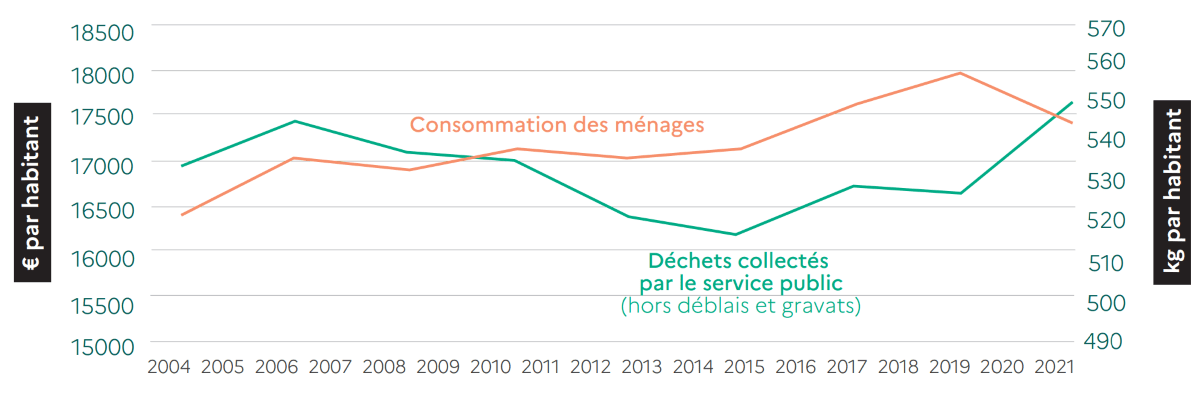
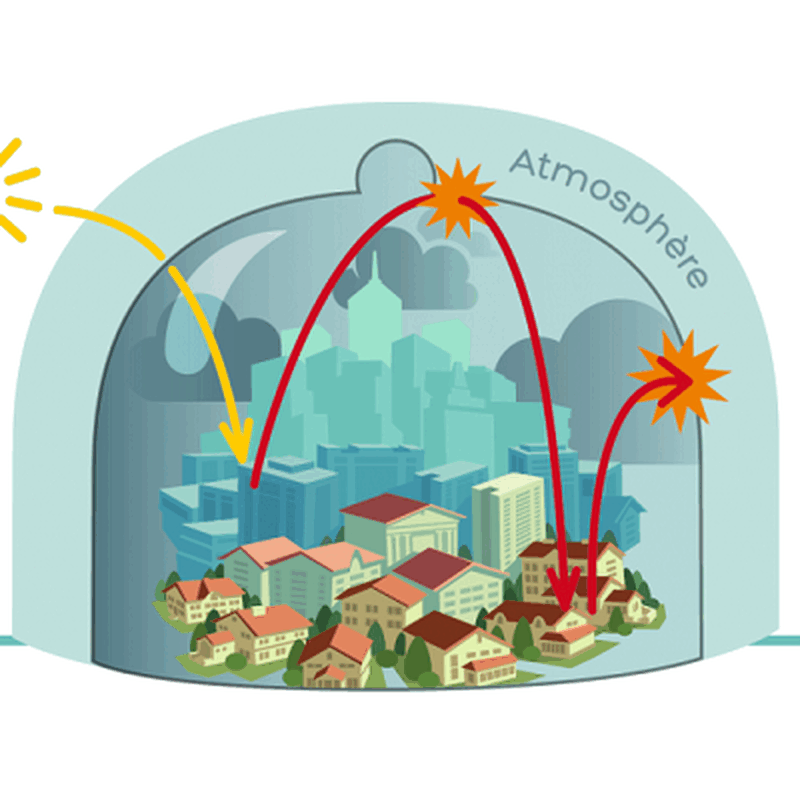
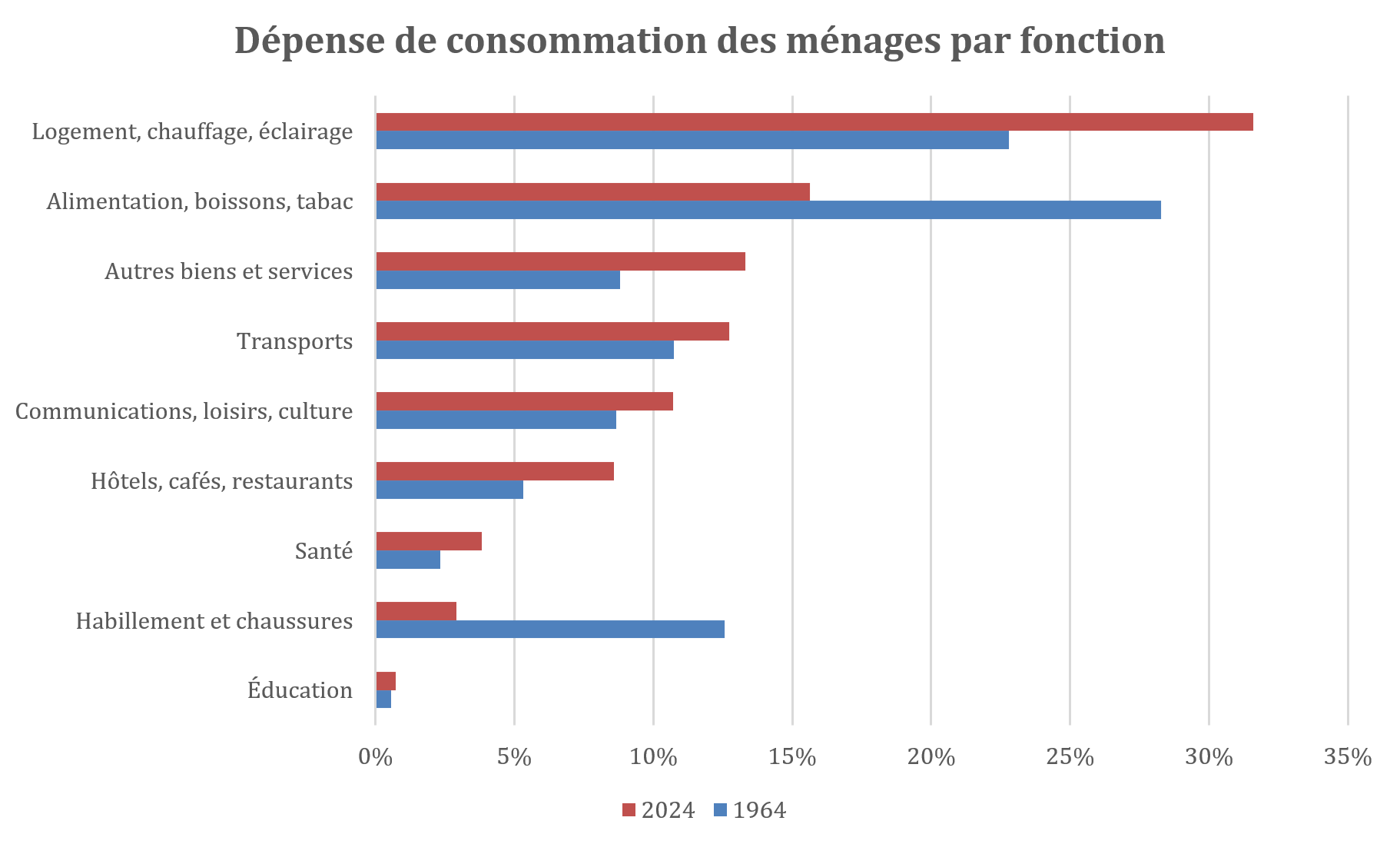
- Housing: the leading expenseHousing expense breakdown• In 2024, consumption spending reached approximately 22,300 euros per capita across all categories, according to INSEE. • Over the past 60 years, spending categories have taken up more space in household budgets, while others have declined. • Since the 1980s, housing has become the primary consumption expense for French households, representing more than a quarter of their total spending. It includes: • actual or imputed rents (theoretical value attributed to owner-occupants), • energy-related charges (electricity, gas, water, fuels), • routine maintenance.Key figuresIn 2024, households spent 424 billion euros on this category, or nearly 6,200 euros per capita. Of this amount, 70% corresponds to actual or imputed rents.Housing energyEnergy consumption accounts for 16% of housing spending. Its share fluctuates with energy prices.Environmental impactEnvironmental impact: energy spending on housing is a major source of greenhouse gas emissions. Reducing consumption, whether involuntary or deliberate, contributes significantly to ecological transition.
- Food: choices constrained by rising pricesFood spending evolutionIn 1964, food was the leading household expense (28% of household spending). Today, it ranks second (16%), far behind housing with 187 billion euros spent in 2024. Purchases vary with food prices. Faced with price increases (as in 2023), households reduce certain expenses or modify their purchasing mix, more often turning to cheaper products.Environmental impactEnvironmental impact: food production uses numerous resources (water, energy, agricultural land) with different environmental consequences. Changes in consumption habits can affect these impacts.
- Transport: between electric growth and fuel constraintsTransport spending distributionIn 2024, transport-related spending represents 12.7% of household spending. Vehicle purchases account for 21% of the transport budget, fuel and lubricant spending 59%, and transport services (trains, planes, buses...) 19%.Environmental impactEnvironmental impact: the shift of the vehicle fleet toward alternative powertrains can help reduce certain emissions. This transition also raises questions about the resources needed for battery manufacturing and electricity production.
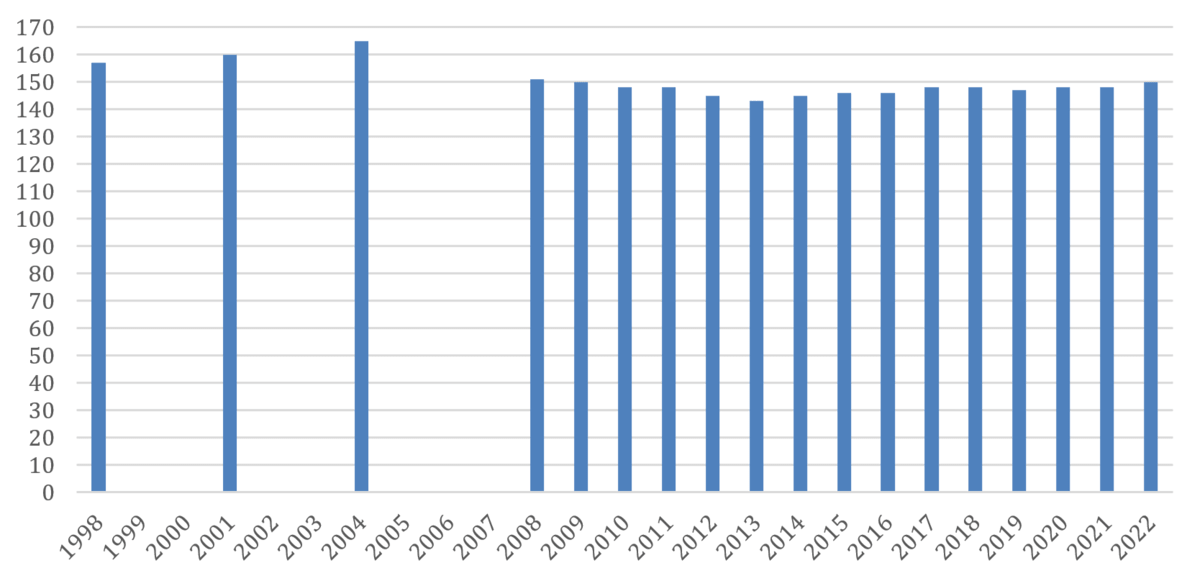
- Digital: widespread equipmentDigital equipment rates• Digital equipment rates for French households have risen sharply in recent years (source: Arcep): • Computers: 89% in 2024 (60% in 2007) • Mobile phones: 91% in 2024 (78% in 2007) • Internet connection: 94% in 2024 (approximately 43% in 2007) • Tablets: 54% in 2024 (2% in 2011)Budget weightThe information technology and communications spending category represents 4% of household spending.Environmental impactEnvironmental impact: manufacturing and using digital equipment requires extracting rare metals, consumes energy both for production and use, and generates growing quantities of electronic waste that is difficult to recycle. The environmental footprint of digital technology is increasingly significant.
- Repair: evolving practicesPurchasing and repair habitsFrench people buy more and more goods for their homes (furniture, clothing, electronic devices...), but spend little on repairing them.Repair spending figuresIn 2020, households spent nearly one hundred euros per capita on repairs and maintenance of their household goods, excluding vehicles. More than 40% of this spending concerns audiovisual, photographic, and digital equipment, the only product category where repair spending is increasing (Source: ADEME, 2023).Environmental impactEnvironmental impact: prioritizing repair over replacement extends the useful life of goods and limits the consumption of resources needed to produce new products.
- Reuse and secondhand: rapidly growing practicesSecondhand market growthThe secondhand market (yard sales, repair shops, online platforms) has developed significantly in recent years, changing traditional consumption channels. Between 2012 and 2017, the quantity of reused household goods rose from 567,000 to over one million tonnes.Environmental impactEnvironmental impact: reuse extends the lifespan of objects and reduces waste generation.
Further reading
- Le logement et ses conséquences sur l’environnementnotre-environnement.gouv.fr
Matériaux, consommation d’énergie, artificialisation… le logement utilise des ressources et change l’occupation des sols. Quels sont ses impacts sur l’environnement ?
- Les effets de l’alimentation sur l’environnementnotre-environnement.gouv.fr
Produire et consommer des aliments mobilise des ressources naturelles et génère des émissions de gaz à effet de serre. Découvrez l’impact de notre alimentation sur l’environnement et des moyens pour agir.
- Transport et déplacements du quotidien : quels effets sur l’environnement ?notre-environnement.gouv.fr
En voiture, en train, à vélo ou à pied : chaque type de déplacement influence l’empreinte écologique. Découvrez les modes de transport utilisés en France, leur impact environnemental, et les moyens d’agir.
- La consommation des ménages - Inseeinsee.fr
L'Insee fournit des données détaillées sur l'évolution des dépenses de consommation des ménages français, notamment les variations récentes par poste de dépense.
- Mieux consommeragirpourlatransition.ademe.fr
L’Ademe dédie une rubrique de son site Agir pour la Transition à la consommation responsable pour permettre au grand public de mieux comprendre l’impact de son mode de vie au quotidien.