La Joconde, les secrets d'un tableau iconique
4 chapitres
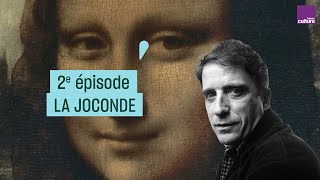
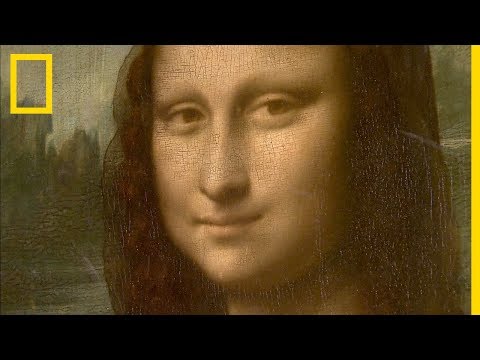
- Leonardo da Vinci's Early Genius and Artistic RiseApprenticeship FoundationLeonardo was sent at a young age to apprentice in the workshop of Andrea del Verrocchio, one of Florence's greatest masters, where he quickly became recognized as a rising star due to his prodigious talent.Artistic ExcellenceEveryone recognized Leonardo's extraordinary talent, and his genius became evident very quickly during his training in the Florentine artistic tradition of versatility.Masterpiece RecognitionThe best illustration of Leonardo da Vinci's extraordinary talent is undoubtedly his most famous painting, the Mona Lisa.Cultural ImpactWhen the painting was stolen in 1911, media coverage elevated it to worldwide cultural consciousness, making it an iconic symbol that persists to this day.
- Advanced Imaging Technology and Scientific AnalysisInnovative TechnologyEngineer and inventor Pascal Cotte designed and developed an unprecedented electronic imaging system that uses multispectral camera technology to visualize each layer of paint applied during the painting's creation.Exceptional AccessCotte received exceptional access to the Mona Lisa at the Louvre and authorization to use his cutting-edge technology to analyze the phases of the masterpiece's creation.Technical Capabilities• Professional cameras record approximately 20 million pixels in 3 primary colors, while Cotte's camera records 240 million pixels across 13 wavelengths • Four of these wavelengths exist outside the visible spectrum • Each of the 13 filters allows sensors to detect only a limited light wavelength • The camera scans the entire surface with each filter sequentiallyData ProcessingThe camera generates enormous quantities of data for each of the 240 million pixels, and the visible spectrum is calculated to create detailed digital analysis of the painting.
- Leonardo's Painting Technique and Sfumato MethodScientific VisualizationPascal Cotte's digitization results consist of complex numbers and graphics that, when entered into custom-designed software, can reconstruct all stages of the Mona Lisa's evolution.Sfumato Technique• Leonardo painted in an extraordinary manner using glazes, which are oil-based binders with very few pigments added • This created extremely thin layers of tinted oil applied over a white base to achieve subtle color veiling • He superimposed successive layers of color similar to tinted glass, allowing light to pass through the pigments and reflect off the white baseColor Intensity MethodRather than simply adding black or darker colors to create light and shadow, Leonardo built up layers of color progressively to achieve the desired luminosity and depth.Unique MasteryThis delicate painting method is so intricate that no one has ever been able to achieve the same rendering, demonstrating where Leonardo da Vinci's true genius lies in his innovative painting approach.
- Leonardo's Legacy and Intellectual BreadthArtistic SynthesisThe Mona Lisa represents a synthesis of everything Leonardo was capable of achieving as both an artist and thinker.Historical PerspectiveWhile history may have portrayed Leonardo as an extraordinary inventor more than he actually was, his notebooks reveal the true extent of his exceptional knowledge.Diverse PursuitsHis notebooks demonstrate the exceptional breadth of domains he explored and the diversity of his intellectual interests.True Genius ExpressionLeonardo's genuine brilliance is expressed through his masterful and innovative approach to painting, rather than in invention alone.