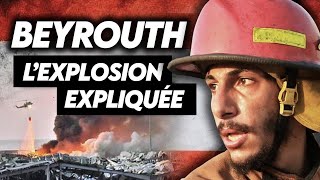

Double explosion à Beyrouth : images et explication
7 capitulos
- Introduction and Location of the ExplosionsContexteHugo introduces the topic of two massive explosions that occurred the day before in Beirut, the capital of Lebanon. The video is presented in voice-over format as the presenter is not at the studio.LocalisationThe double explosion occurred on Tuesday afternoon in the port zone of Beirut. The blast was so powerful that it was felt on the island of Cyprus, located more than 200 kilometers away.Puissance• The blast was so strong it was recorded by seismic equipment designed to detect earthquakes • The explosion caused the earth to shake for several kilometers around the impact zone • This is extremely rare for an explosion rather than a natural disasterConséquences immédiatesThe port area was completely devastated. A blast wave, consisting of very strong winds following an explosion, destroyed buildings, broke windows, projected debris, glass shards, and objects.
- The Chemical Cause: Ammonium Nitrate StorageSubstance chimiqueAccording to Lebanese Prime Minister Hassan Diab, the explosion was caused by ammonium nitrate, a chemical substance stored in enormous quantities in a port warehouse.Utilisation courante• Ammonium nitrate is commonly used as fertilizer by farmers to help plants grow faster • It appears as white granules without odor, similar to salt • It is typically purchased in large quantities in big sacksQuantité entreposéeMore than 2,750 tonnes of ammonium nitrate had been stored in the port warehouse without proper safety precautions.Propriétés dangereusesAmmonium nitrate is a highly sensitive substance that can quickly explode if it is near a source of extreme heat or if it is mixed with incompatible substances.
- Trigger of the Explosion and InvestigationCause déclenchanteThe exact trigger of the explosion is still unknown. Lebanese customs mentioned there was a fireworks warehouse next to the ammonium nitrate storage, but nothing confirms this warehouse was responsible for the explosion.Conditions requisesAccording to specialists, it is very complicated to detonate ammonium nitrate. The heat must be extremely intense, such as from a fire in the vicinity of the warehouse.Normes de stockageStorage regulations are theoretically very strict for this type of product. The substance must be isolated from all flammable liquids like gasoline and other substances that could generate strong heat.Responsabilité• According to multiple documents and media, the 2,750 tonnes had been stored for at least six years without safety precautions • The cargo was deposited by a ship traveling from Georgia to Mozambique • An investigation is underway to determine why authorities allowed this storage for so long
- Historical Comparison and Terrorism TheoriesPrécédent français• A similar explosion occurred in 2001 at the AZF chemical factory in Toulouse, France • That explosion involved 300 tonnes of ammonium nitrate piled in a hangar • It caused 31 deaths and was heard 80 kilometers aroundAmpleur comparéeBeirut had 2,750 tonnes of ammonium nitrate, nine times more than the Toulouse explosion, plus a potentially much higher population density in the surrounding area.Hypothèses d'attentat• Shortly after the explosion, little information was available and several hypotheses suggested a foreign attack or bombing • US President Donald Trump claimed the explosions resembled a terrible bombing • The US Department of Defense quickly contradicted the presidentThéories réfutées• Some internet users suspected Israel, in conflict with Hezbollah, a Lebanese paramilitary group • This rumor was contradicted by the Lebanese government • Currently, nothing concrete supports these theories
- Human Toll and Physical DestructionBilan humain• More than 100 deaths were recorded at the time of recording • More than 4,000 injured were heading to already overcrowded hospitals due to coronavirus • There were long queues of wounded, bloodied people unable to be treated immediatelyDégâts matériels• 300,000 people are left homeless in Beirut according to the city governor • Many buildings and homes were devastated by the explosion • Damage extends over half the city and several kilometers around the portComplications humanitaires• Victims may have lost hearing, preventing them from hearing rescue services nearby or calling for help • The smell of burning complicates the work of rescue dogs who struggle to find victims under debris • Images show destroyed car carcasses, buildings without facades, and devastated shopsDeuil nationalMany compared the explosions to a war scene. A day of mourning was declared in the country.
- Lebanon's Crisis Context and Recovery ChallengesContexte politique• Lebanon is in the midst of a political and economic crisis that worsened with the coronavirus pandemic • The government is accused of corruption • Protests against leaders occurred last autumn due to fuel and electricity shortagesCrise économique• Lebanon is heavily indebted with rising unemployment • Prices have increased considerably for several years • More than half the population lives below the poverty line, defined as less than 730 dollars per month per familyRisques accrusThe explosion risks strengthening poverty among Lebanese people, especially those who lost their homes, at the worst possible time for the country.Timing critiqueThe explosion arrives at the worst moment for Lebanon, which was already facing severe political and economic challenges compounded by the pandemic.
- International Aid and Ways to HelpAide française• France sent three military planes to Lebanon with over 6 tonnes of medical equipment • Fifty firefighters and civil security personnel will be deployed to help victims • President Emmanuel Macron will visit Lebanon on Thursday to meet with leaders and organize aidAide internationale• Qatar, Iraq, United States, Germany, and United Kingdom offered humanitarian assistance • Three field hospitals will be installed by Qatar • Israel proposed humanitarian and medical aid despite its conflict with LebanonMoyens de contribution• The simplest way to help is through associations collecting donations in France, such as Secours Populaire • Direct donations can be made to major Lebanese NGOs like the Lebanese Red Cross or the local food bankSuivi continuHugo promises to keep viewers informed on Sunday in the regular format and throughout the week on YouTube, with daily updates on Instagram about the situation in Lebanon.