Trois groupes de paramètres pour suivre la qualité des milieux aquatiques
La qualité des milieux aquatiques est caractérisée par de nombreux paramètres chimiques, physiques ou biologiques. Certains de ces paramètres sont suivis pour répondre à des obligations réglementaires, d’autres pour améliorer la connaissance générale de l’état des milieux. Actuellement, sont suivis environ 3000 paramètres chimiques, 400 paramètres physiques et une dizaine de paramètres biologiques
The quality of aquatic environments is characterized by numerous chemical, physical, or biological parameters. Some of these parameters are monitored to meet regulatory requirements, others to improve general knowledge of environmental conditions. Currently, approximately 3000 chemical parameters, 400 physical parameters, and about ten biological parameters are monitored.
3 chapters
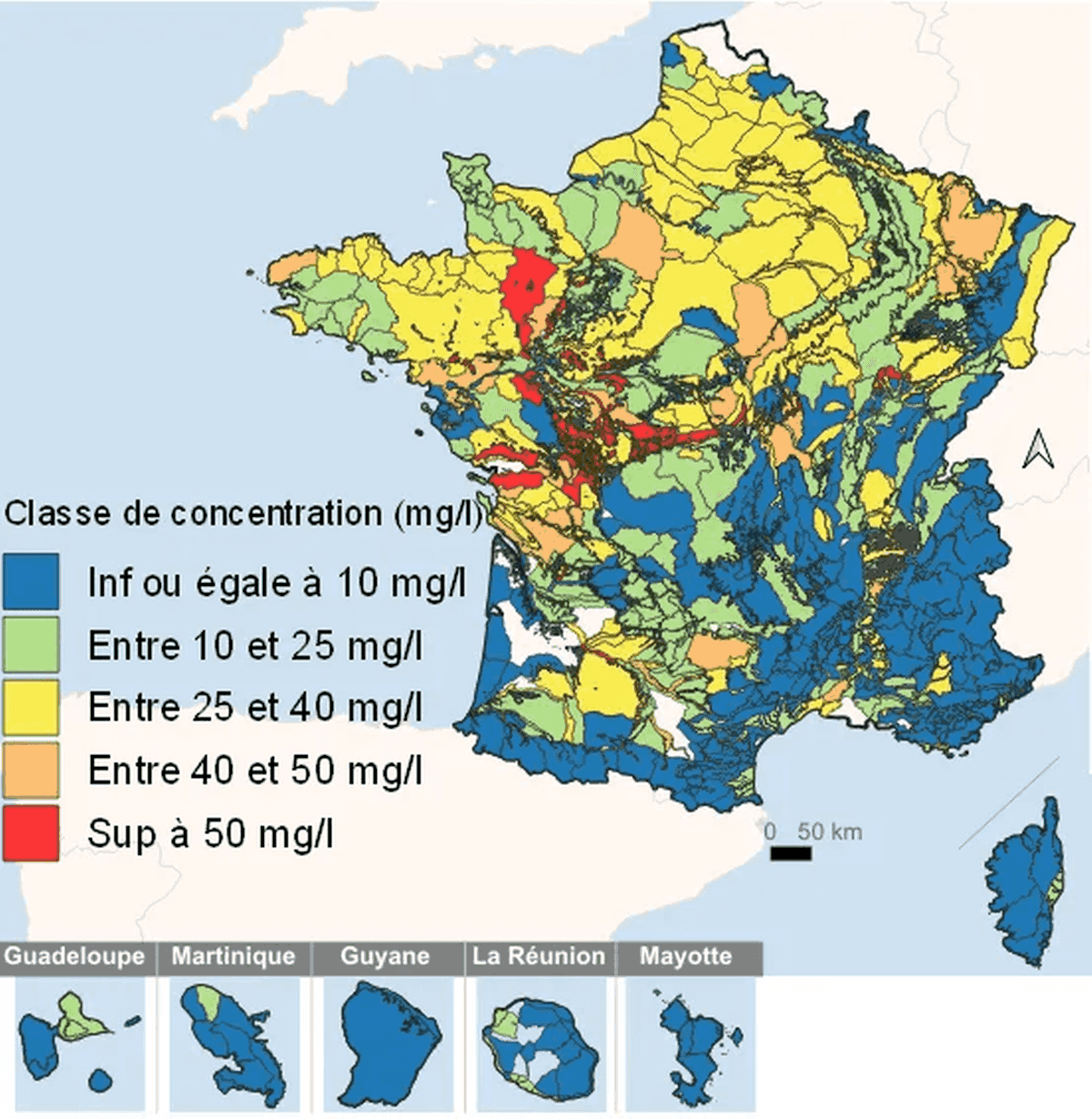
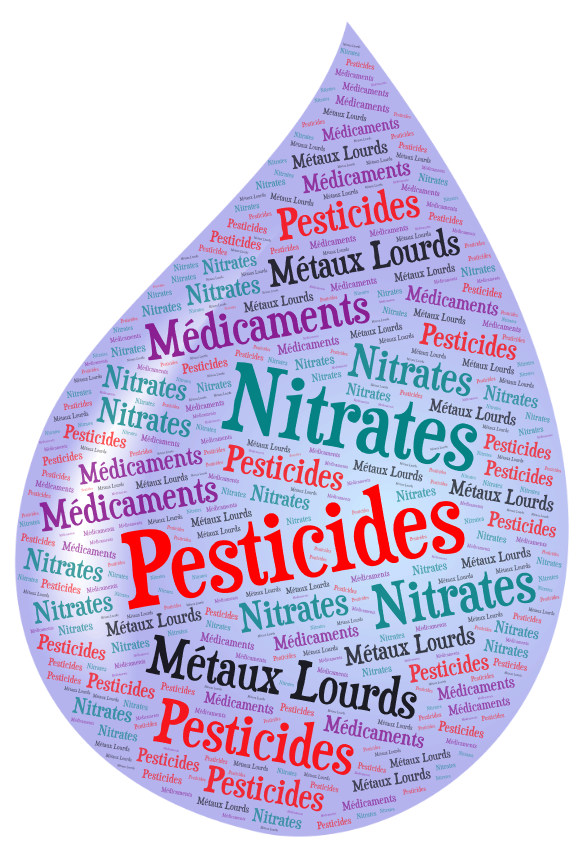
- Chemical ParametersNutrients and Pesticides• Nitrogen and phosphorus nutrients originate from agricultural, industrial, or urban sources. They can result from excessive use of mineral or organic fertilizers (manure spreading), industrial or domestic discharges (use of phosphate-enriched detergents to soften water). Such discharges promote algae development in aquatic environments and deplete dissolved oxygen. These pollutants ultimately disrupt biological balances; • Pesticides include phytopharmaceutical products used primarily in agriculture (insecticides, herbicides, fungicides…) and biocidal products (household disinfectants, anti-fouling paints…). These substances or their degradation products can have acute and/or chronic toxic effects on ecosystems as well as on humans;Metals and Other Compounds• Metals (copper, lead, cadmium…) present in aquatic environments may be of natural origin or come from industrial, agricultural, or urban discharges. Their hazard level varies greatly depending on their nature; • Other organic or inorganic compounds come from industrial discharges, service sector activities, and households. Examples include polycyclic aromatic hydrocarbons (PAH), chlorinated solvents, dioxin-type compounds, pharmaceuticals… These substances can reach waterways through wastewater treatment plants or after being released into the atmosphere.Micropollutants and MacropollutantsSome of these chemical parameters have undesirable effects for humans or the environment at very low concentrations ("micropollutants" when these concentrations are around one microgram per liter), while others act at higher concentrations ("macropollutants").
- Biological ParametersBio-indicatorsAnimal and plant species are bio-indicators of aquatic environment quality.Monitored Species GroupsThe composition and abundance of four species groups are monitored: diatoms (microscopic algae), macrophytes (aquatic plants visible to the naked eye), invertebrates (insects, crustaceans, mollusks, worms), and fish.
- Physical ParametersSuspended MatterPhysical parameters characterize notably suspended matter or sediments present in waters (volume, mass, size, percentage…) and conditions affecting the development of aquatic fauna and flora such as temperature and turbidity.