
Les sites et les sols pollués en France
En 2025, la France recense 11 234 sites et sols pollués (source) , ou potentiellement pollués, généralement en lien avec des activités industrielles. Ces pollutions appellent une action des pouvoirs publics, car elles peuvent présenter un risque pour la santé humaine ou l’environnement (effets directs ou indirects). Un tiers des polluants identifiés dans les sols de ces sites sont des hydrocarbures et un quart des métaux et métalloïdes. Deux bases de données distinctes consignent par ailleurs les sites actuellement et anciennement pollués.
As of 2025, France has identified 11,234 polluted or potentially polluted sites and soils (source), generally linked to industrial activities. These pollutions require action by public authorities, as they can pose risks to human health or the environment (direct or indirect effects). One third of pollutants identified in soils at these sites are hydrocarbons and one quarter are metals and metalloids. Two separate databases record currently and formerly polluted sites.
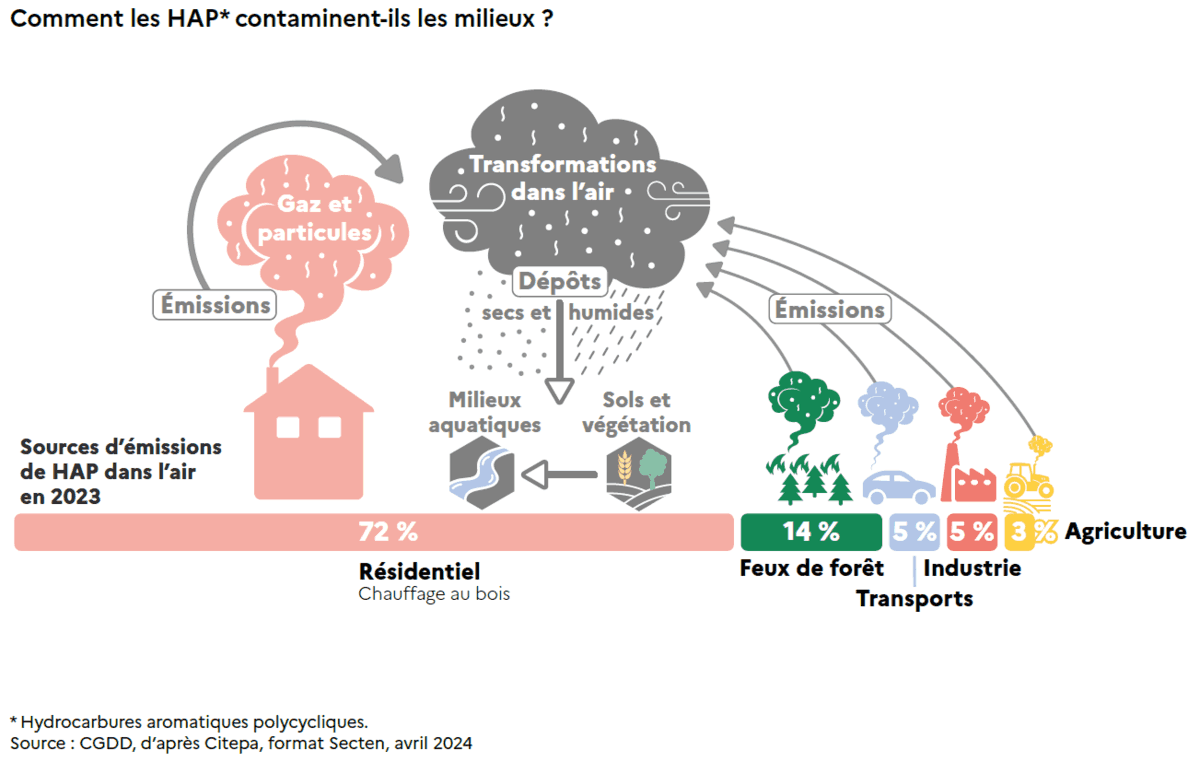
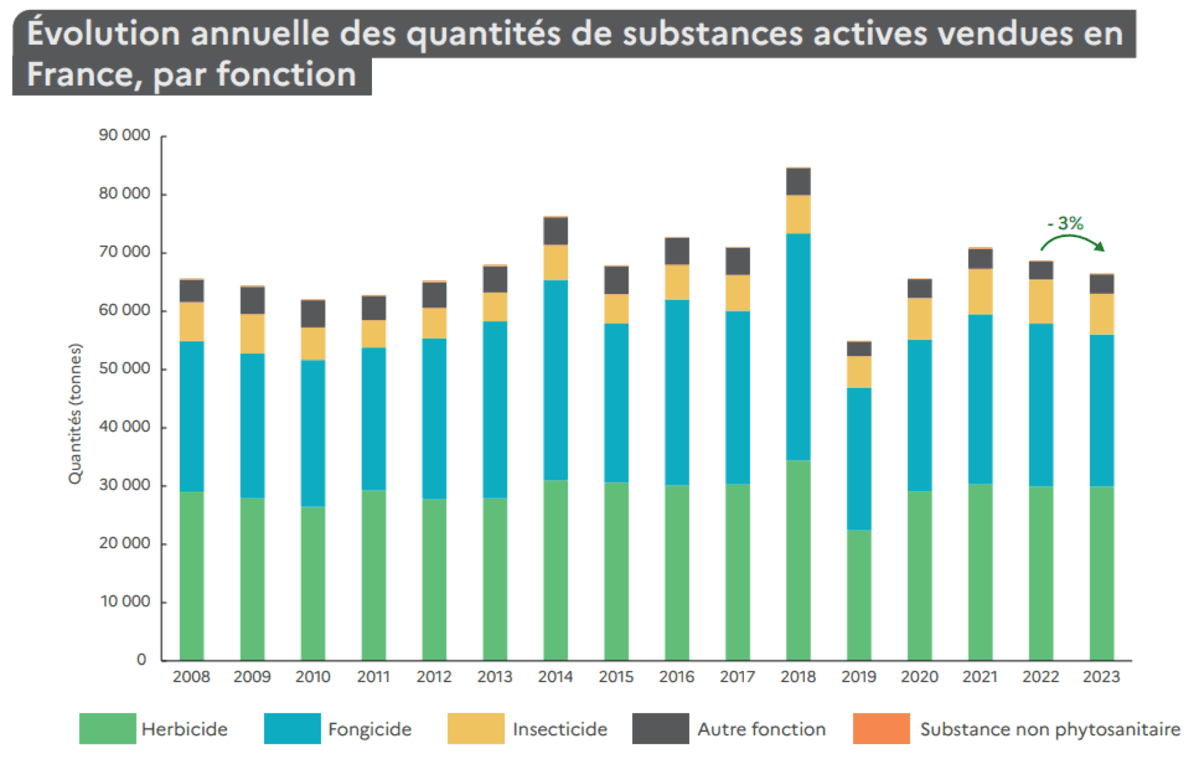
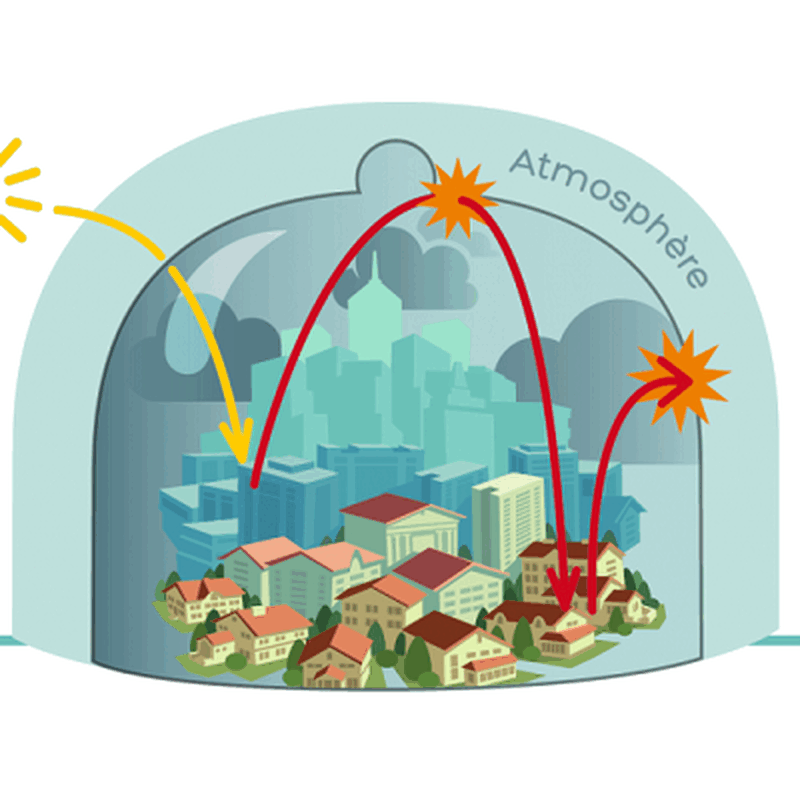
- Where do point-source soil pollutions come from?Pollution originsOften of industrial origin, point-source soil pollution results from atmospheric fallout, handling or transport accidents, poor waste and effluent storage practices, or inadequate containment of toxic or hazardous products. It is most commonly observed in urban areas or nearby.Spread and monitoringAlthough generally localized, these pollutions can spread by wind or through water infiltrating the subsoil and groundwater aquifers. Securing and monitoring these sites aim to prevent pollutants, trapped by soils and posing a danger to human health, from migrating and further contaminating ecosystems and the food chain.Point vs. diffuse pollutionThese point-source pollutions differ from diffuse pollutions. Though less significant, the latter nonetheless affect the shallow layer of soils over vast areas, due to aerial input (industrial or transport emissions, agricultural spreading).
- What are the consequences for human health?Exposure pathways to pollutants• Beyond environmental and biodiversity impacts, soil pollution can have direct or indirect effects on human health. Indeed, soil acts as a reservoir of pollutants that may become mobile and affect ecosystems, water resources, and the food chain. • Population exposure can occur directly (voluntary ingestion by young children for example) or indirectly through cereals, fruits and vegetables grown on polluted land, or water polluted by soil-to-groundwater transfer. Dust from polluted soils can be inhaled, and pollutants can evaporate into the air from soil. Populations most exposed to soil pollution effects are workers in activities that caused the polluted sites or soils, as well as nearby residents.Certain health impact, though sometimes hard to prove• Many chemical substances measured in polluted soils are known for their multiple harmful effects on health (cancers, respiratory diseases, cardiovascular disease, developmental delays…). However, directly attributing site pollution remains difficult because knowledge of pollutant transfer mechanisms from soil into the human body is often insufficient. • Exposure can nevertheless be measured through biomarkers, mainly the pollutant or its metabolites (byproducts), measured in blood, urine, hair, etc. Pollutants present on a polluted site and soil, but also found in the body of a nearby resident or worker, thus suggest that the person was exposed via the environment.
- Inventory of polluted sites and soils in FranceRecorded polluted sites and soils (mid-2018)As of 2025, France has identified 11,234 polluted or potentially polluted sites and soils, requiring action by public authorities. Pollution may be discovered during work on land that formerly hosted industrial activities, or following action by public authorities as part of monitoring and control of industrial sites.Regional distribution of polluted sites (mid-2018)Former mining regions and the most urbanized regions concentrate the most polluted sites and soils: Auvergne-Rhône-Alpes (18.1%), Grand Est (15.5%), Hauts-de-France (13.6%). Conversely, three rather agricultural metropolitan regions (Brittany, Pays de la Loire, Provence-Alpes-Côte d'Azur), as well as overseas regions (excluding Mayotte) and Corsica, together account for less than 10% of all polluted sites and soils, or less than 4% for each of these regions.
- Different pollutants affecting all environmentsPollutants infiltrating groundwater• Polluted sites and soils listed in Basol show high pollutant concentrations over limited areas. These point-source pollutions, caused by former waste deposits or pollutant infiltrations, can affect multiple environments on the same site. • When soils are polluted, groundwater is generally polluted too, with national distribution of main pollutants closely resembling that of soils: hydrocarbons (27%), metals and metalloids (18%), etc.7 pollutant families identified• Pollutions often prove multiple on the same site. The two most frequently identified families in soils correspond to hydrocarbons and metals and metalloids, at roughly one third and one quarter respectively. • Three hydrocarbon families (mineral, chlorinated, PAHs) represent just under 60% of multiple soil pollutions. Cyanides, BTEX (sum of benzene, toluene, ethylbenzene and xylene) and other pollutants (ammonium, chlorides, pesticides, non-halogenated solvents, sulfates, radioactive substances) each represent less than 10% of soil pollutions. • The metals and metalloids most commonly identified in soils of investigated sites correspond to lead (18%), copper (16%), zinc and arsenic (12% each). In aquifers, these are arsenic (7%), lead and nickel (6%). For sites where pollution by medium is not specified, lead, copper, arsenic and chromium rank among the most prevalent metals and metalloids.
- Soil decontaminationTreatment of polluted soil• Decontamination techniques vary depending on polluted environments (soils, water) or substrate (waste or product deposits) and can be combined on the same site. • The most frequently used techniques for treating polluted soil correspond to soil excavation (29% of treated sites), biological treatment (25%) and hazardous waste storage in specialized facilities (19%). Excavated soil is also recycled as aggregates for public works, as an alternative solution to landfill when possible.Water treatmentTreatment of water on polluted sites and soils occurs on-site in 42% of cases. Preliminary work (aquifer lowering) may be necessary (40% of cases). The most frequently used technique consists of extracting volatile pollutants through air injection (air stripping: 21% of treated sites), followed by physicochemical processes (17%) and drainage (17%).Management of "orphan" sites by AdemePolluted sites are considered "orphan" when no solvent responsible party could be identified. In this case, Ademe (French Ecological Transition Agency) is tasked, on behalf of the State, with monitoring their health and environmental safety and decontamination work. For sites listed in the Basol database mid-2018, Ademe intervened on 274 polluted sites and soils (4% of sites) and on 74 sites urgently (1%).
Further reading
- La pollution des solsnotre-environnement.gouv.fr
Les sols subissent de nombreuses pollutions (métaux, pesticides, microplastiques…) qui impactent à la fois les écosystèmes et la santé humaine.
- La gestion des sites et sols polluésnotre-environnement.gouv.fr
La France a mis en place une politique de réhabilitation et de traitement des sites pollués dès 1993, assortie de l’inventaire historique des sites industriels et activités de service susceptibles d’avoir pollué les sols (Basias).
- La contamination des sols par les hydrocarbures aromatiques polycycliques (HAP)notre-environnement.gouv.fr
Les hydrocarbures aromatiques polycycliques (HAP) sont principalement issus de la combustion des matières organiques. Ils sont un indicateur de pollution des sols.
- La contamination des sols par les métauxnotre-environnement.gouv.fr
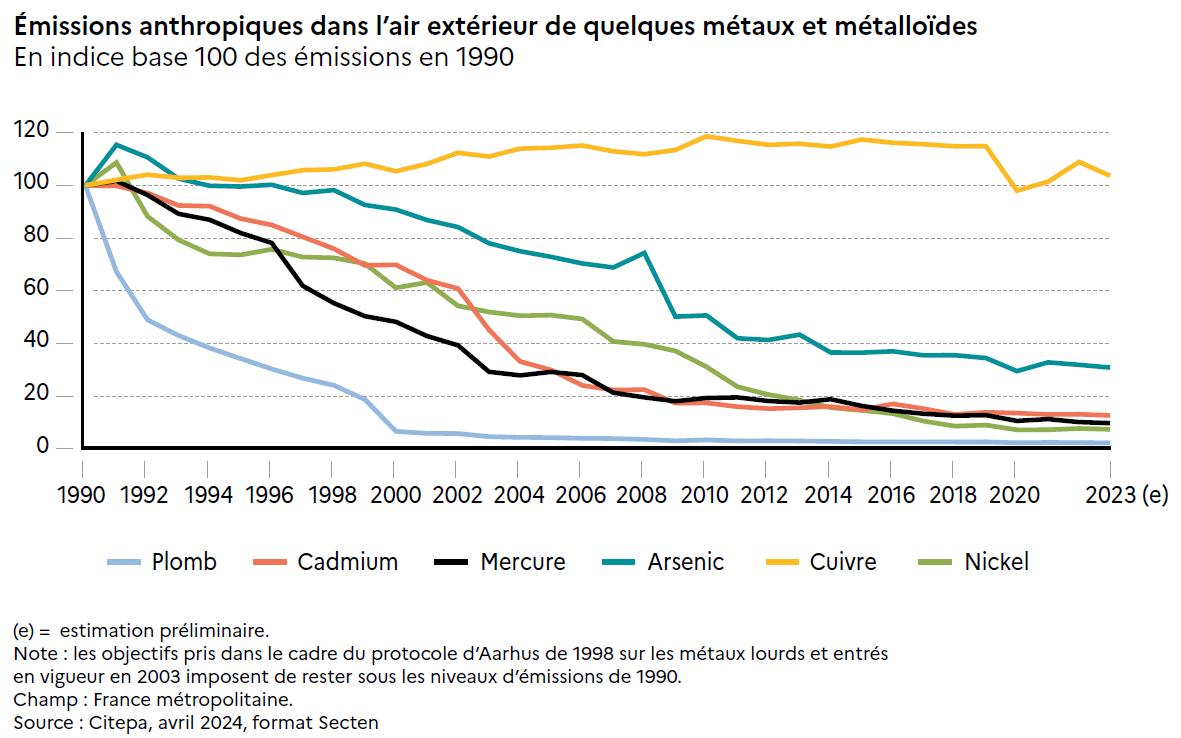
La présence de métaux dans les sols est naturelle, mais aussi le fait de pollutions liées aux activités humaines. Toxiques, ils font l’objet d’un suivi environnemental et sanitaire.
- Base recensant les sites et les sols pollués (Basol)georisques.gouv.fr
Base de données publique accessible sur le site Georisques.
- Base recensant les anciens sites industriels pollués (Basias)georisques.gouv.fr
Base de données publique accessible sur le site Georisques.
- SelecDEPOL, solutions pour la gestion de sites et sols polluésselecdepol.fr
Un outil interactif de pré-sélection des techniques de dépollution destiné aux maîtres d’ouvrages, aménageurs, administrations, professionnels de la dépollution, proposé par l’Ademe et le BRGM.
- Portail des substances chimiques (INERIS)substances.ineris.fr
À travers ce portail, l’Institut national de l’environnement industriel et des risques (INERIS) transmet son expertise sur les substances chimiques, issue de ses travaux d’étude et de recherche.
- Groupement d’intérêt scientifique sur les sols (GIS Sol)gissol.fr
Structure ayant pour mission de constituer et gérer un système d’information sur les sols de France et répondre aux demandes des pouvoirs publics et de la société au niveau local et national.
- Association française pour l’étude des sols (AFES)afes.fr
L’AFES est une société savante consacrée au sol. Elle est la branche française de l’Union internationale de la sciences du Sol (UISS).