How to Start a Speech: The Best (and Worst) Speech Openers
6 chapitres
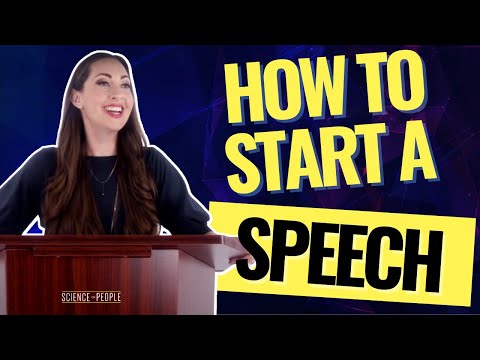
- Introduction to Speech OpeningsProblem StatementOpening a speech is stressful, and there's nothing worse than walking on stage not knowing what to say or saying something awkward.Video OverviewThis video provides the best and worst speech openers for presentations, pitches, speeches, and toasts.Common Examples• Mentioning technical issues: 'These lights are so bright, is this mic on?' • Overused audience direction: 'Imagine you naked'PurposeHelp speakers learn how to open their next presentation or speech effectively.
- Cardinal Sins: What Not to DoTechnical IssuesNever start by drawing attention to technical problems like microphone or lighting issues. Do a tech check beforehand or arrive early instead.Avoid Nervousness• Do not mention your nervousness or lack of speaking experience • When you mention nerves, you make your audience nervous too • The audience will start looking for signs of your nervousness, creating a nerve-wracking wave from the stageHalf-Hearted WelcomeDo not open with a boring nicety like 'Thanks for having me' or say something nice but without meaning it. Avoid looking unhappy while saying you're happy to be there.ExceptionThe only exception is if you can turn a boring nicety into a joke, as Ken Robinson demonstrated in his talk.
- Best Practice 1: Use StoriesWhy Stories Work• Stories are the absolute best way to start a presentation • Nothing better captures the imagination and attention of an audience • Stories help your audience feel right there with youExampleDavid Brooks hooks the audience immediately by starting with a personal story about a bad season in 2013 when his marriage ended and he felt humiliated by the failed commitment.Opening Formulas• Once upon a time • I'm here for a reason and it's an interesting story • The best thing that ever happened to me wasKey BenefitStories immediately engage the audience emotionally by getting right to the heart of the matter.
- Best Practice 3: Open with Humor or CuriosityCreative Opening• Open your speech with something intriguing and humorous • Humor and curiosity are great ways to start a speech on a high • Get creative with an interesting fact about yourself, your audience, or your topicPersonal ExampleWhen giving a TED talk in London, the speaker opened with a quirky one-liner: 'Hello my name is Vanessa and I am a recovering awkward person.'Question Formulas• Did you know • Do you ever worry about • Have you ever wonderedPractical Examples• Did you know that it takes less than a second to make a first impression • Did you know that your nonverbal communication is 12.5 times more powerful than your words • Did you know that we are lied to 200 times a day
- Conclusion and Additional ResourcesReadinessYou are now ready for your next speech with these best and worst practices for opening.Next StepFor closing your speech, the speaker offers 20 top closing lines from history's greatest speakers available as a free download.Course Offering• The speaker offers a course called 'Powerful Presentations' for improving presentation skills • The course covers frameworks for sharing ideas powerfully, confidently, and authentically • Topics include hand placement, microphone handling, showing visuals, telling stories, and being funnyDelivery ContextsThe course applies to presentations on stage, on video, in a boardroom, or in a meeting.