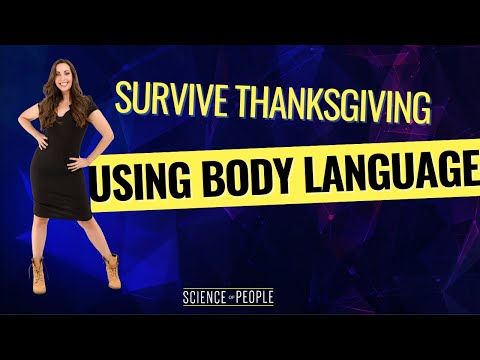
How To Survive Thanksgiving Using Body Language
7 chapters
- Introduction and Body Language BasicsExpert IntroductionVanessa Van Edwards, a behavioral investigator, is introduced as an expert in reading body language to help avoid conflict and make everyone feel at ease during the holidays.Why It MattersFamily gatherings create stress due to eating, high emotions, and travel. Understanding body language helps you detect when family members are being dishonest or uncomfortable.Key InsightBody language reveals what people are thinking about. The most common question Vanessa receives is how to read family body language during holidays.ApplicationLearning these techniques helps hosts and guests navigate Thanksgiving meals more smoothly and comfortably.
- Building Rapport with MimicryWhat Is MimicryMimicry means slightly copying someone else's body language to build rapport. People naturally do this subconsciously on good dates and in healthy relationships.How to Apply It• Subtly copy someone's voice tone or body language without being obvious • If someone speaks slowly, like a grandma or aunt, match their pace and tone • Meet people at their level of energy to make them feel welcomeReading OthersYou can tell if people are getting along by watching how closely they mimic each other's body language without thinking about it. This reveals whether a conversation or date is going well.Best for• New girlfriends visiting the family • Hosts welcoming guests into their home • Anyone wanting to make others feel at ease
- Detecting Defensive Behavior and TensionDefense PositionsWhen people put their hands on their hips and set their legs wide, it's a universal expression of wanting to fight or feeling defensive. This is a sign to change the subject or redirect the conversation.Lip PursingLip pursing occurs when someone is trying to hold something back. It's a sign that they have an opinion or comment they're suppressing, which may indicate disagreement.Recognizing Tension• If you're the host, watch for lip pursing to see if people are holding back • Decide whether to change the topic or ask them to open up • You can prompt them by saying something like 'What are you thinking?'Defusing Strategy• Serve cake or dessert to redirect attention • Change the subject when you notice defensive cues • Offer refreshments like hot cocoa to ease tension
- The Chin Jut and Argumentative CuesChin Jut SignalThe chin jut is when someone thrusts their chin forward, often seen in bars before arguments. Men especially display this cue when getting defensive or argumentative.When It Appears• When tense topics arise like politics, religion, moving away, or marriage • During conversations about family-specific sensitive subjects • When someone is about to strongly disagree or challenge youWhat It MeansThe chin jut indicates someone is on the verge of arguing or becoming confrontational. It's a clear warning sign to intervene before conflict escalates.Quick Interventions• Suggest dessert time • Offer more wine • Redirect with neutral topics like 'What do you think of that cute cat video?'
- Host Body Language and Making Guests ComfortableWhat to AvoidAvoid crossing your arms as a host because it makes you look defensive and puts other people on edge, creating tension.What to Do• Keep your arms loose and relaxed • Smile and make direct eye contact with guests • Sit and talk to people rather than constantly cleaning or managing tasks • Maintain engaged, focused attention on your guestsThe ScienceResearch shows that direct eye gazing combined with smiling actually lowers people's heart rate, making them feel calmer and more welcomed.Hosting ChallengeAs a host, you want everything to run smoothly and everyone to feel comfortable. Conscious attention to your own body language helps achieve this goal.
- Self-Regulation and Open Body StanceUsing Cues on YourselfYou can use body language techniques on yourself. If you feel yourself getting emotional or argumentative, adjust your own body language to calm down.Open Body StanceWhen you put your hands out with palms open, this is the universal gesture for being open-minded and that everything is fine. It helps you feel and appear calmer.Self-Intervention Steps• Notice when you're getting a little riled up • Consciously shift into an open body stance • Suggest a change of scenery or activity, like sitting in another room or playing a gameBenefitsUsing these techniques on yourself helps prevent escalating tensions before they become arguments and gives everyone a chance to reset emotionally.
- The Intimacy Levels of TouchHow Touch WorksThe location of touch on someone's arm determines how intimate it is. The higher up you touch toward the shoulder, the more intimate the gesture becomes.Business Context• Never touch someone near the shoulder in professional settings as it's too intimate • Touch the elbow instead and say something like 'It's so good to see you' • Elbow touching is appropriate and warm without being too personalFamily ContextIn family settings, touching closer to the shoulder and heart is more appropriate and intimate because it's closer to vital organs and conveys deeper warmth.Recommendation• With new family members, use elbow touching as a safer, more comfortable option • For closer family relationships, shoulder and upper arm touches are more intimate and appropriate • Always gauge comfort levels and respect personal space boundaries