Science of Laser Hair Removal in SLOW MOTION
4 chapters
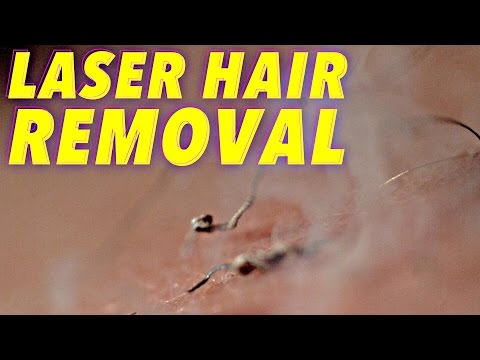
- Introduction and SetupThe JourneyDerek and Diana (Physics Girl) drive to an unfamiliar location for a special consultation on laser hair removal to explore the science behind it.First ExperienceThey conduct their first laser treatment shot, with the laser emitting smoke called a 'laser plume' that goes directly into Derek's nose.Technical SetupThe laser uses a wavelength of 1064 nanometers (infrared radiation), invisible to the naked eye, firing six pulses at approximately 1.5 milliseconds each.Visual ResultsAt 25 joules of energy per square centimeter, the slow-motion footage reveals five bursts of laser pulses destroying hairs in a dramatic pattern.
- How Laser Hair Removal WorksMelanin's Role• Dark eyes, skin, and hair contain melanin, which absorbs a wide range of light wavelengths, especially ultraviolet • Melanin normally protects skin from sun damage by absorbing light before it penetrates deeper • Laser hair removal exploits melanin's absorption properties by targeting dark hairs with infrared lightEnergy Absorption• Infrared lasers at 1064nm are commonly used because melanin absorbs this wavelength more than water and oxyhemoglobin in skin • Red lasers at 755nm are also frequently used for the same reason • The procedure works best with dark hairs and light skin for optimal contrastHair Destruction Process• As melanin absorbs laser energy, hair heats up beyond 100 degrees Celsius, causing it to burn and vaporize water inside • The expanding water vapor puffs the hair up like a Cheeto, creating visible bubbles as seen in slow-motion footage • The goal is not to destroy the hair shaft itself, but to use the heated hair to destroy germ cells in the follicle that produce new hairCellular Damage• Cells suffer damage when temperature rises above 60 degrees Celsius due to protein and collagen denaturation • Higher temperatures and longer heat duration cause more denaturation and increase the likelihood of cell death • Damaging enough follicle cells prevents future hair growth permanently
- Pulse Technology and SafetyPulse StrategyA sequence of ultrashort pulses ensures heat doesn't spread too far into surrounding tissue, heating the hair and damaging germ cells before the laser turns off and heat can dissipate.Damage PreventionContinuous heating would damage not only germ cells but also surrounding skin, causing burns; short pulses prevent this collateral damage.Pre-Treatment Preparation• Hair is typically shaved before laser treatment to avoid wasting energy burning external hair • Shaving also prevents hot hair from landing on skin and causing surface burns • Unshaved patches appear less visually interesting in slow-motion footage since internal effects are not visibleIrony of MelaninMelanin evolved to protect skin from harmful sunlight by absorbing light, but laser hair removal weaponizes this same property by using intense laser energy to make melanin overheat and destroy hair follicles.
- Historical Context and ConclusionLaser InventionAfter the first working laser was created in 1960 by Theodore Maiman, he called it 'a solution looking for a problem.'Modern ApplicationUnwanted hair removal became that problem, making laser hair removal the most requested cosmetic procedure today.Credits• Diana (Physics Girl) originated the video idea • Darren at BeyondSlowMotion provided critical slow-motion filming expertise • The collaboration enabled unprecedented visual documentation of the laser hair removal processSponsor MessageAudible, the audiobook provider, supported the video; Derek recommends their service and mentions listening to 'Creativity, Inc.' by Ed Catmull about Pixar's founding.