Les Bretons, premiers sur la Résistance ! - L’île de Sein
5 chapitres
- Introduction to the Island of SeinGeographic ContextIsle of Sein is located in western Brittany, offshore from Pointe du Raz. It covers only 56 hectares and is swept by winds and storms, making it a rather inhospitable place.Local PopulationIn September 1939, the island sheltered 1,400 souls, many of whom were fishermen or earned their living from the sea. The inhabitants were known for centuries for rescuing shipwrecked ships in distress.Living Conditions• The island had no electricity, which complicated radio operation • Newspapers could only be delivered by boat • Residents witnessed the end of the French campaign from afar, including evacuations at Dunkirk and German attacks on BrestMilitary PresenceA significant number of Sein's men were mobilized, while a small garrison from the mainland occupied the island in 1939.
- The Departure to Free FranceFirst VolunteersOn June 19, 1940, the ship Zenith Ar anchored at the island with the mission to reach England. Four Sénans boarded and became the first to set foot in England, paving the way for others.Catalyst for Action• June 21: The garrison of Sein was recalled • June 22: A lighthouse keeper warned residents about a BBC broadcast of General de Gaulle's speech • German authorities ordered all soldiers to report and men aged 18-60 to make themselves available to occupation troopsOrganized EvacuationThe mayor and priest organized the departure of Sénans to England. Ship owners put their fishing boats and vessels at the disposal of volunteers.Mass ExodusIn a few days, 124 Sénans aged 14 to 54 left their island to join Free France. This represented almost all of the men of fighting age on the island.
- Recognition by de GaulleHistoric DiscoveryAt the beginning of July 1940, General de Gaulle reviewed all volunteers who had joined Free France in England. Just over 400 men gathered in London's Olympia Hall, and he discovered that almost a quarter came from the tiny island of Sein.Famous ExclamationDe Gaulle reportedly exclaimed: 'The Island of Sein, so it's a quarter of France!' This emphasized from the first hour the importance of the engagement of the island's inhabitants.Military IntegrationGiven their maritime origin, many of the Sénans joined the French Naval Forces Free or the merchant navy responsible for supplying England despite the threat of German U-boats.Long-term ImpactDe Gaulle personally visited the island of Sein in 1946 to award it the Liberation Cross, declaring that the island's heroic action would become legendary and be taught in history books.
- Life Under Occupation and Rescue TraditionsHardships on Island• Germans set up a garrison on the island, restricting the free movement of Sénans • Fishing revenues took a significant hit with most men gone • Malnutrition became a problem on the islandCommunity SolidarityThe rector in charge of the island organized a canteen for boys whose fathers had left for England, demonstrating strong community support during difficult times.Humanitarian RescueOn May 1, 1943, an American bomber was shot down and crashed at sea. Three crew members survived and were rescued by Breton sailors, brought back to the island where a German plane arrived to help one of the wounded considered untransportable.LiberationOn August 4, 1944, before the Allied advance, the German garrison evacuated the island, not without blowing up its lighthouse. The island was free again and the Germans never returned.
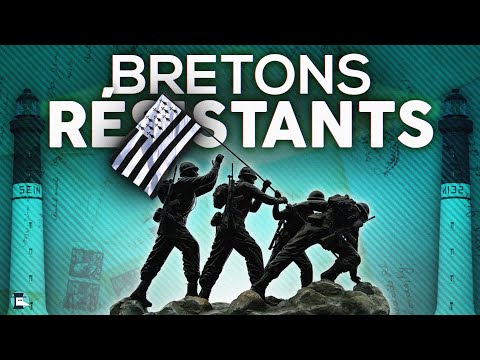
- Legacy and CommemorationHonored Sacrifice22 Sénans who left their island to join Free France died to liberate the country. Among them was Joseph Guilcher, one of the first French to land in Normandy on June 6, 1944 with commando Kieffer.Official RecognitionGeneral de Gaulle declared: 'There will always be, now in France people who will think of the island of Sein. The whole of France will know that there were the ocean a good and courageous Breton island whose magnificent example will become legendary.'Physical MonumentThe island has a monument where the motto of Brittany is inscribed: 'Kentoc'h Mervel,' meaning 'Rather die!' This serves as a permanent reminder of the island's commitment to freedom.Historical ImportanceThe island was awarded the Liberation Cross, and de Gaulle stated that children would learn from their history books about the heroic action of this good and courageous French island, ensuring its place in national memory.