Le plus gros sous marin de la WW2 et les forces navales de la France Libre
6 chapitres
- The Escape of French Ships in 1940German AdvanceThe 1940 campaign allowed Germans to seize many French ports, threatening the fate of the French fleet.Sailors' ResistanceFrench sailors refused to surrender their ships to the enemy. Some scuttled their vessels while others set sail to England or French ports in North Africa.Notable ExampleOfficer Etienne Schlumberger, in charge of submarine repairs in Cherbourg, towed his submarines to England on June 19, 1940, preventing their capture by approaching Germans.Successful EvacuationsMany ships escaped German hands as a result of these efforts, with sailors following Schlumberger's example and departing before enemy arrival.
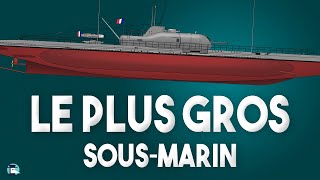
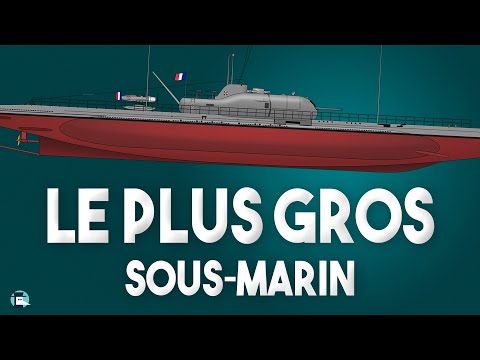
- The Surcouf: World's Largest SubmarineUnique DesignThe Surcouf was the world's largest submarine with an exceptional feature: it carried a battleship turret, exploiting a treaty loophole that prohibited guns on ships but said nothing about submarines.Advanced Capabilities• Could bomb targets with its turret gun • Carried a seaplane for reconnaissance missions • Could deploy the seaplane and then dive againFrench InnovationFrance's bureaucratic creativity allowed this remarkable vessel to be constructed in ways that technically complied with international treaties while achieving unprecedented capabilities.Competitive AdvantageThe submarine's capabilities were so advanced that even the legendary Nautilus submarine would need to be cautious against it.
- Operation Catapult and Mers-el-KébirBritish ConcernsAfter France's surrender, many ships took refuge in English ports and North Africa. Britain feared these vessels would join Vichy forces or fall into German or Italian hands.Operation Launch• Operation Catapult launched on July 2, 1940, targeting French ships in British ports • British forces assaulted French vessels sometimes at the cost of sailors' lives • The most significant action occurred on July 3, 1940 at Mers-el-Kébir, AlgeriaBritish UltimatumThe British fleet ordered French ships to join England, sail to the Antilles, join a neutral port like the United States, or be scuttled.Tragic Outcome• British intercepted a message about French reinforcements arriving • This triggered a British attack on the anchored French fleet • Two battleships and a destroyer were knocked out of action • Battleship Brittany sank with nearly 1,000 sailors • Other ships managed to return to Toulon under British fire
- Conclusion and LegacySeries ContinuationThe episode concludes an exploration of Free French Naval Forces, with more topics on Companions of the Liberation to be covered in future episodes.Historical SignificanceThe Free French Naval Forces demonstrated remarkable resilience and tactical innovation despite being separated from mainland France and operating with limited resources.Remembered HeroesThe vessels and sailors of the Free French Navy earned lasting recognition through honors like the Companions of the Liberation title and continued commemoration.Viewer EngagementThe channel encourages sharing the content and promises continued exploration of Free France's maritime contributions to World War II.