Les redoutables pilotes de chasse du Normandie-Niemen
5 chapitres
- The Eastern Front and French OpportunityContextDuring World War II, while battles in Britain and the Pacific are widely known, the air war on the Eastern Front remains lesser-known despite its significance.German InvasionOn June 22, 1941, Hitler launched Operation Barbarossa, invading the USSR and prompting the French Embassy representing Vichy to evacuate, leaving no official French presence.Strategic OpeningGeneral de Gaulle seized this opportunity to establish Free France's presence in the USSR, strengthening relations and gaining international recognition while actively participating in the Eastern campaign.Squadron FormationIn 1942, 62 volunteers including 14 pilots arrived at Ivanovo base near Moscow, comprising French pilots from the RAF and Middle-East forces who formed the new 'Normandy' unit.
- Volunteers and Soviet EquipmentDiverse OriginsThe pilots came from varied backgrounds, with different political opinions and religious beliefs united only by their voluntary commitment to fight on the dangerous Eastern Front.Soviet SupportThe Russians equipped this new French unit with Yak-3 fighter aircraft, providing them the hardware necessary for combat operations.Notable LeadersCommander Jean Tulasne stood out as a prominent pilot who faked his death during the armistice by staging a plane accident, allowing him to escape Vichy control and join Free France.Combat DedicationTulasne exemplified the unit's commitment by conducting up to three missions daily in April 1943, eventually falling during his 97th mission when shot down by Germans.
- Rising Reputation and Heavy LossesGerman ThreatThe squadron's effectiveness alongside Russian forces became so feared that German Marshal Keitel ordered the execution of any captured French prisoners from the Eastern Front.Ace Pilots• Captain Albert Littolff, a Battle of France ace with 5+ confirmed kills, shot down 14 enemy aircraft before his plane was destroyed while defending Soviet airmen • Marcel Lefèvre was an ace who trained newcomers on Soviet aircraft and died on May 28, 1944, when his plane landed in flames during a missionMounting CasualtiesBy November 1943, 20 French pilots had fallen, mechanics became entirely Soviet, and the squadron was withdrawn to train replacement pilots.Spring OffensiveBy spring 1944, the Normandy squadron returned to combat with 61 pilots, continuing their dangerous operations in the Eastern campaign.
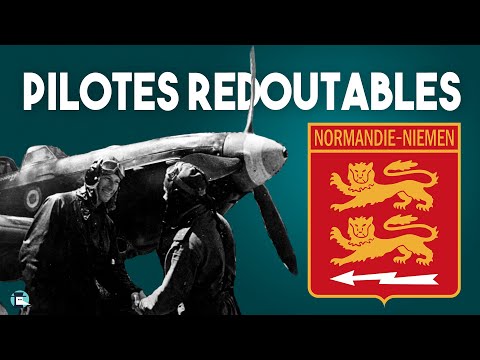
- Heroism and Official RecognitionSacrifice ExamplesLieutenant Maurice de Seynes refused to abandon his Soviet mechanic who lacked a parachute during a burning plane emergency, and both were killed in the crash; Stalin ordered them buried side by side.Official NamingOn July 21, 1944, Joseph Stalin congratulated the unit for fighting over the Niemen River and officially renamed it 'Normandie-Niemen', emphasizing France as the only Allied nation sending troops to fight alongside Russians.Combat RecordIn October 1944, Normandie-Niemen achieved a remarkable feat by shooting down 41 planes in just two days without any losses, becoming the first French unit to occupy German territory.Final StatisticsThe squadron confirmed 273 aerial victories by war's end, making it the most decorated French unit of WWII, though this came at the cost of 42 pilots killed in action.
- Return and LegacyHomecomingStalin authorized the pilots to keep their Yak aircraft and return to France aboard them, and on June 20, 1945, the squadron landed at Le Bourget before a huge crowd.Honors Received• 21 members of Normandie-Niemen were named Companions of the Liberation • A dedicated showcase was created for them at the Museum of the Order of the Liberation • One of the famous Yaks is displayed at the Air and Space Museum of Le BourgetLasting SymbolismThe unit still exists today and remains a symbol of Franco-Russian friendship, demonstrated when Russia sent the Red Army Choirs to honor pilot Roland de la Poype at his 2012 funeral.Cultural ImpactThe Museum of the Order of the Liberation at Les Invalides in Paris preserves the history of this unique Franco-Soviet military partnership.