Vermeer - La jeune fille à la perle (Analyse)
4 chapters
- Introduction to Vermeer and his MasterpieceThe ArtistVermeer is a major figure in 17th-century Dutch painting.The MasterpieceGirl with a Pearl Earring is Vermeer's most famous painting, created around 1665.RecognitionSince its creation, the painting's fame has only grown.Central QuestionWhat makes this painting so fascinating?
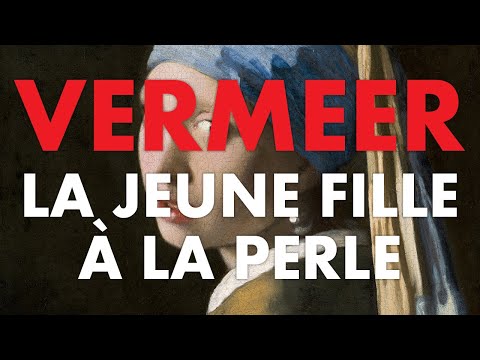
- Analysis of Composition and SubjectVisual Elements• The girl gazes over her shoulder at the viewer • Her head is wrapped in a deep blue turban and yellow fabric • The painting is bare of any decorative elementsPictorial GenreThis is not a portrait but a tronie—an imaginary figure.Purpose of the Tronie• Allow the painter to practice and refine his technique • Demonstrate artistic mastery • Immortalize a particular person is not the goalModel's IdentityAlthough a young woman posed for Vermeer, her identity matters little; it could have been anyone.
- Technical Mastery and Play of LightStylistic Priorities• Focus on light and shadow effects • Color gradations and contrasts • Refined and minimalist styleTechnical Details• The white collar consists of just two brushstrokes • The collar's texture is softer than the turban, which is rougher • Contrast between smooth and textured elementsThe Pearl• It is disproportionately large, like a bocce ball • Likely a glass false pearl added afterward • Painted in three brushstrokes: a light reflection, volume, and a reflection of the collarArtistic GeniusVermeer's brilliance lies in this simplicity, capturing light and the passage of time with extraordinary restraint.
- Final Impact and Life of the PortraitVisual Effect• The girl's face glows • Her eyes shimmer with lightAnimationLight brings the portrait to life.Power of FormDetails matter, yet Vermeer's restrained style maximizes the emotional impact.LegacyThe painting remains a masterful demonstration of Vermeer's ability to create intimacy and depth with minimal means.