
La Chapelle Sixtine et la Création d'Adam de Michel-Ange, expliquées en 20 minutes ! (Analyse)
8 chapters
- The Visitor's Experience at the VaticanGeographic ContextThe Vatican is a small neighborhood of Rome equivalent to a Parisian district. The Sistine Chapel is a small building attached to St. Peter's Basilica that contains a collection of frescoes, including Michelangelo's magnificent ceiling.St. Peter's Basilica• A sumptuous monument 137 meters high containing Michelangelo's Pietà • Features an incredible dome also designed by Michelangelo • Houses Bernini's baldachin and the tombs of the popes • One of the most beautiful basilicas in the worldMuseum RouteVisitors exhausted after touring Rome and St. Peter's Basilica must pass through the Vatican Museum and the pope's apartments decorated by Raphael to reach the Sistine Chapel.First ImpressionThe Chapel is less spectacular than expected; the frescoes are more than 20 meters high and appear very small from ground level. Visitors often realize they were looking at the chapel from the wrong direction as they exit.
- Michelangelo's Artistic AchievementThe Painter's TrainingMichelangelo was not a painter but a sculptor. He could draw and had painted a few pictures for friends, but painting was not his specialty.Scope of the Project• 500 square meters of vault equivalent to two tennis courts side by side • Approximately 500 paintings, each one meter by one meter • Took 4 years to complete • Michelangelo painted approximately 70 percent of the vault mostly aloneWorking ConditionsPainting a ceiling was particularly irritating. Anyone who has painted a ceiling would understand the difficulty of this exhausting task.The Real SpectacleThe true spectacle lies in the fact that Michelangelo created an unprecedented work in a discipline he did not particularly master, rather than in the symbolic content of the paintings.
- Structure and Composition of the VaultCentral Panels• Nine panels at the center depicting scenes from Genesis • The first three panels depict the story of Noah • The next three focus on Adam and Eve • The final three depict the creation of the worldArchitectural ElementsA trompe-l'oeil cornice surrounding the panels, pillars separating the panels in the middle, ignudi (nude male figures) resting on these pillars and holding bronze medallions containing biblical scenes.Prophetic FiguresOn the sides are the sibyls and prophets who see the future. At the four corners, pendentives depict scenes from the Old Testament such as David against Goliath.Other ArtistsBelow the prophets and sibyls, in the vaults and lunettes, are represented the ancestors of Jesus, painted by Perugino, Botticelli, Ghirlandaio, and others before Michelangelo.
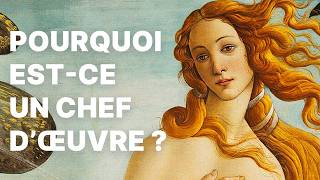
- The Anatomical Beauty of the IgnudiAnatomical AccuracyThe adolescent and young nude men display a delicate and sensitive facial refinement, as well as remarkably precise and muscular body painting.Classical Influences• Michelangelo was inspired by the Belvedere Torso and the Laocoön • In antiquity, muscular bodies represented the ideal of beauty • Ancient statues discovered around Rome served as models • The Belvedere Torso was incomplete, allowing Michelangelo to let his imagination workTechnical SuperiorityUnlike other artists of the time whose nudes appeared rigid and imperfect, Michelangelo's possessed an unparalleled beauty and realism.Realistic AnatomyTo achieve such anatomical perfection, Michelangelo dissected corpses. Unlike Botticelli's Birth of Venus with unrealistic proportions, Michelangelo's figures are humanly realistic.
- Movement and Energy in the BodiesInnovation of MovementMichelangelo infuses unique movement and energy into the postures of the ignudi. These figures twist, contort and writhe in all directions, something completely new in painting.Aesthetic Rupture• Before Michelangelo, classical beauty was quiet and restrained, like Apollo walking effortlessly • The Laocoön challenged this conception by showing beauty in extravagant postures • Michelangelo allowed different movements, figures that move and writheIconic ExamplesEve writhes like the Laocoön to grasp the fruit of sin. Christ in the Last Judgment also embodies this Laocoön-like dynamism. Even the garland chains symbolizing the papal emblem repeat this motif.Visual RichnessThis multiplication of movements, pauses and expressions creates a work of exceptional richness that viewers contemplate with admiration.
- The Prophets, Sibyls and AncestorsRemarkable DetailsThe prophets and sibyls could be individual masterpieces in any museum. Each figure displays great delicacy in the details of hands, drapery and the architecture surrounding them.Significant Expressions• Daniel is concentrated on his transcription • Jeremiah meditates and reflects like Rodin's Thinker • The Delphic Sibyl questions and wonders • Jonah receives revelation facing God AlmightyVision of ChristAll the prophets and sibyls, pagan or biblical, share the same vision: the imminent coming of Christ. They are in all states because they recognize the same event.Ancestors of JesusBelow the prophets, the lunettes depict the ancestors of Jesus in a calm and peaceful earthly world. Michelangelo included pregnant women, mothers with children and seated figures staring into the void, contrasting with divine energy.
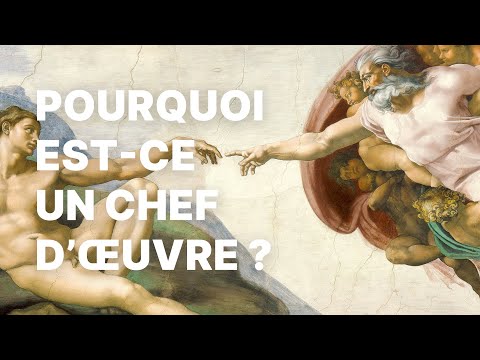
- The Creation of Adam: Popularity and SignificanceIconic ImageThe Creation of Adam is one of the most popular images of all time, alongside the Mona Lisa. It has been reinterpreted hundreds of times, giving rise to theories about hidden brains or wombs.No Hidden SecretThere is no secret behind this popular image. It is simply a magnificent representation of the creation of Adam according to the biblical text from chapter 2, verse 7 of Genesis.Creative ApproachMichelangelo approached creation like a modern filmmaker interpreting a script. He transforms the biblical text where God forms Adam from dust and breathes into his nostrils into a unique and universally understandable image.Immediate UnderstandingIn the Renaissance, any peasant entering the chapel would have instantly understood the Creation of Adam through its new and powerful composition, surpassing all previous representations.
- Visual Analysis of the Creation of AdamThe Figure of AdamAdam lies there amorphous, weak and alone, at the mercy of anyone. Yet he is beautiful and follows classical canons in divine perfection, corresponding to the biblical verse that God created man in his image.The Figure of God• God appears in human form, virile and resembling Zeus • Michelangelo draws from pagan iconography in the Vatican's most sacred sanctuary • God is surrounded by a woman and angels, possibly Sophia the wisdom or EveRepresentation of PowerGod is surrounded because Michelangelo understood how to represent strength, power and authority. This composition shows God's omnipotence, who with just one finger gives life effortlessly.Genius of CommunicationMichelangelo's gift lies in his ability to communicate ideas in a completely new, creative and extremely effective way. He creates an image so powerful that it eclipses all other representations and even the biblical text itself.