Le Cri Edvard Munch
4 chapters
- Introduction and Context of the ArtworkGeneral OverviewStudy of Edvard Munch's The Scream, a famous work that is often misinterpreted.Motivation for AnalysisThe author offers their own interpretation because existing explanations are reductive and always the same.The Painter's Life• Munch struggled with the deaths of certain family members • He experienced difficult romantic relationships • These painful experiences influenced his artPurpose of the WorkPresent a personal and alternative interpretation of the painting.
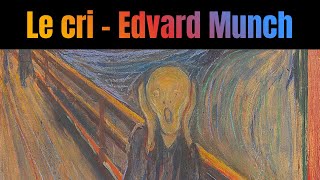
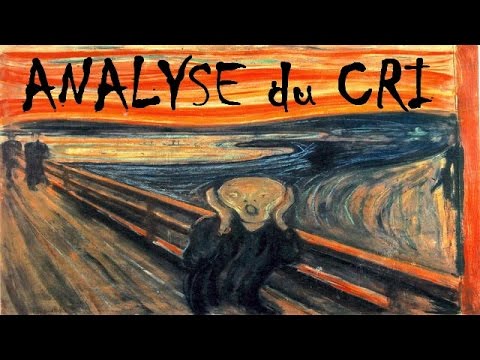
- Analysis of the Main Figure and Its PositionThe Foreground FigureDirectly involves viewers through its position and interaction with the frame.Distorted Physical State• Hands and head are a blend of decay and liquidity • Completely warped by anguish and suffering • Eyes are barely visible, suggesting a loss of the soulBackground FiguresTwo men connected to the main figure by the bridge's lines, but turning away, showing isolation.Contrast in RepresentationThe background figures are defined by their clothing and external appearance, while the main figure reveals their tormented inner state.
- Symbolism and Interpretation of the PaintingSymbolic Duality• The background figures symbolize appearance, propriety, and social codes • The main figure represents interiority, unease, and what lies beneath the social maskSubjective VisionNature is not troubled in itself, but it is distorted by the temperament and feelings of the foreground figure.Visual Elements• The curves of the body are reflected in the sea and sky • The figure's colors appear in different parts of the landscape and on other figures • All elements of the painting are a projection of the painter's personal visionOverall AtmosphereEverything in the painting conveys unease and turmoil: the red colors, the curves against straight lines create a visual conflict.
- The Figure's Gesture and Final InterpretationMeaning of the Gesture• Is the figure covering its ears to avoid hearing its own cry? • Or to escape other inner sounds? • The gesture could also mean the figure is holding their head to keep it from coming apartOpen QuestionThe real question is whether the figure is truly covering its ears or simply making a gesture of despair.Broader InterpretationThe cry represents not just the death of loved ones, but rather universal existential anguish that anyone can experience.Personal ConclusionThis is the author's personal interpretation, acknowledging that other explanations are possible and inviting viewers to share their own perspectives.