Majora's African Roots pt. 3 (Legend of Zelda: Majora's Mask) - Culture Shock
4 capitulos
- The Moonchild Legend OriginStory SourceA South African folk story called the Moonchild was discovered through research of cultural parallels between Termina and Africa. While not widely known, it exists in indigenous oral traditions passed down through storytelling and word of mouth.Chief Bulani's Tale• Chief Bulani was a great leader, possibly a demigod of celestial heaven, distinguished by a full moon marking on his chest • His older wife bore many children with stars and crescents, but none had the full moon marking • His younger wife gave birth to a son bearing the full moon, fulfilling Bulani's desire to continue his lineageBetrayal and Rescue• The elder wife, consumed by jealousy, attempted to kill the newborn moonchild • A small mouse overheard the plot and saved the baby by taking it to a camp of traders • The traders cared for the child until Bulani's people found him and returned him homeHappy ResolutionThe return of the moonchild was celebrated by the people while the evil elder wife was driven away to her father's people.
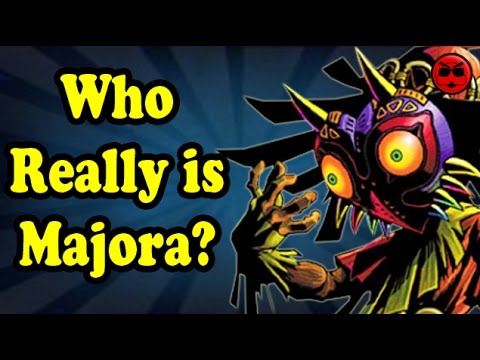
- Majora as the Tragic MoonchildBroken Parallels• Majora is the moonchild of the African legend, but without a happy ending • No friendly traders came to care for Majora after being left to die by a stepmother • No mouse saved Majora from initial wrath, leaving the character completely abandoned and aloneChildlike BehaviorAll of Majora's interactions with others and combat forms reveal the behavior of an undisciplined child playing tricks, giggling, and throwing tantrums. Without a parent to provide discipline, Majora acts out in rage and sadness.The Full Moon Symbolism• Majora chose a full moon to destroy Termina as a way of revealing identity to the world that abandoned them • The full moon even in its personified rage weeps, reflecting Majora's underlying sadness • The weeping moon represents the loss of family due to actions of someone who was supposed to love themEnvironmental Evidence• A large single tree with long reaching branches and thick trunk appears in the game, referencing the baobab tree as Africa's symbol of strength, wisdom, health, long life, and beauty • Majora sits alone beneath this tree, isolated from other children called Moon children, all appearing similar but with differences suggesting they are siblings
- From Abandonment to DestructionIsolation and ResentmentMajora isolates from other Moon children, sitting alone beneath the baobab tree. On the surface appearing controlled and angered, but internally scared and alone, unable to express the trauma of abandonment.Built Bitterness• Left alone to die by an evil stepmother, Majora's lonely life built increasing bitterness over time • The universe denied the love from family that was needed, turning Majora's eyes spitefully toward Termina • Majora chose to destroy the happy town where friendship and love were blossomingMotivation for ChaosWith parallels between Africa and Termina in culture and bosses, Majora destroyed Termina because it represented the familiar way of life that had scorned them. The full moon became the calling card that even celestial beings couldn't ignore.Inner Sadness• Despite overwhelming bitterness and rage, Majora's sadness shines through in weeping and self-isolation • All Majora truly wanted was someone to play with • Even in destruction, the character remains a traumatized child seeking connection rather than a truly evil deity
- Final Message and ReflectionAcceptance of FateMajora will be defeated by the Hero of Time and will always be defeated again. The only path forward is letting go of the past and embracing what can become, rather than allowing it to destroy like so many other spirits and gods.Tragic Ancient StoriesMany ancient stories of gods, men, and spirits end tragically, reflecting the widespread pattern in mythology of loss and sorrow across cultures.Production Credits• The Majora's Mask miniseries was a collaborative effort with artists and musicians • Patrons and Crunchyroll sponsored the series • Research suggests South America may be a future area of exploration for the game's influencesClosing HopeThe creator expresses hope that Majora's tragic story ends the way it was supposed to, bringing closure to a character defined by abandonment and longing for connection.