
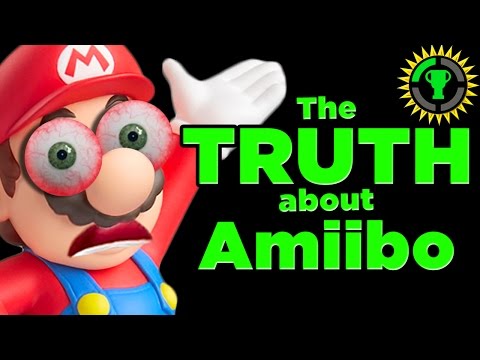
Game Theory: The TRUTH Behind Nintendo's Amiibo Shortages
8 capitulos
- Introduction to AmiiboWhat are AmiiboAmiibo are toys, collectibles, and DLC that sync up with Nintendo games to add special features. They function as both casual collectibles and serious gaming peripherals.Why They're Popular• Functional enough for serious players • Easy enough for kindergarteners to use • Adorable collectible figures • Popular gaming peripheral phenomenon of the last decadeThe Problem EmergesSince Nintendo released Amiibo in late 2014, many have been impossible to find, with demand crashing retailer servers and causing shortages at the level of rarest gaming items.Geographic DisparityWhile Amiibo were scarce in North America, stores in Germany and Europe had full shelves even of rare figures like Marth and Ike, with European scalpers dominating the black market.
- The Conspiracy TheoryNintendo's Suspicious Response• Nintendo was slow to resupply the United States • Created a rampant black market with rare figures selling for 4-5 times retail price • Wii Fit Trainer Amiibo selling for $60 instead of $12.99 retail • Nintendo's response to shortages seemed indifferentArtificial Demand TheorySome theorists claim Nintendo intentionally creates shortages to drive up demand and allow them to charge more for figurines in the future.Strategic Shortage PatternNintendo has a long history of shortages, suggesting these aren't accidental but strategic moves to generate free publicity and increase perceived scarcity of products.The Investigation PromiseThe episode promises to investigate the validity of these claims using research and data to get to the bottom of the Amiibo shortage conspiracy.
- Nintendo's Historical Shortage PatternThe 1988 Precedent• Super Mario Brothers 2 and Zelda 2 experienced major shortages • Primetime news show 20/20 dedicated a segment to the shortages • People traveled hundreds of miles and visited multiple stores seeking the games • One person searched seven stores daily for three weeks without finding Zelda 2Early Gaming Era ContextThe early days of video gaming made it difficult for Nintendo to predict demand, and the 1988 20/20 segment demonstrated how severe the public impact was.The Wii Console ShortageThe Nintendo Wii was released in November 2006 but supply in the US didn't catch up to demand until 2009—three full years later, despite Nintendo having sufficient cash.Pattern RecognitionNintendo's consistent inability or unwillingness to meet launch demand across multiple products suggests a recurring pattern rather than isolated incidents.
- Media Coverage and Buzz AnalysisData-Driven EvidenceGoogle Trends data measuring Amiibo news mentions shows a massive spike in December 2014 when shortages began being reported, far exceeding the initial announcement spike.Peak Publicity Moment• Amiibo shortage made a splash 5 times bigger than the original announcement • Peak hype occurred in April 2015 when Wave 4 orders crashed GameStop systems • Sustained news coverage for 10 solid months from December 2014 to October 2015Geographic Buzz PatternsAlmost all Amiibo buzz came from the United States and Canada, while Europe and Japan showed minimal search activity despite experiencing no shortages in those regions.Suspicious ConclusionsIf shortages were accidental, they should appear globally. The fact that they're concentrated in Nintendo's biggest market suggests intentional scarcity creation for publicity.
- Reconsidering the NarrativeCorporate Trust FactorNintendo is one of the world's most trusted gaming companies with one of the broadest fan bases, making it difficult to believe they would intentionally screw over their primary consumers.Question the TheoryThe suggestion that Nintendo would sacrifice customer satisfaction for blog posts on gaming media like Kotaku seems unreasonable for a company of Nintendo's reputation and scale.Advertising Budget Evidence• In fiscal 2015, Nintendo spent over 10% of revenue on advertising • Nintendo spends more on advertising than Apple (7% of annual budget) • Microsoft spends more aggressively at 18% of annual budget • If shortages were intentional marketing, advertising budgets should decreaseFlawed LogicThe conspiracy theory doesn't hold up under economic and financial scrutiny, suggesting the real explanation requires deeper economic analysis.
- Supply and Demand EconomicsFundamental Economic Principles• Demand curve: lower price attracts more buyers, higher price deters them • Supply curve: higher price incentivizes sellers to produce more • Equilibrium: where supply and demand curves intersect determines fair market price • Free market: Nintendo operates without price caps, seeking equilibriumDemand vs. Quantity DemandedDemand shifts when product quality or desirability changes (demand curve moves). Quantity demanded changes when price changes (movement along the curve). These are distinctly different economic concepts.Nintendo's Deliberate StrategyNintendo under-prices Amiibo on purpose, keeping them below equilibrium price. This creates temporary shortages in the short run while demand exceeds supply.Industry Precedent• iPhone 6s used the same shortage-based strategy • Samsung Galaxy S6 curved display employed identical tactics • Tech companies routinely use early temporary shortages as calculated marketing moves • PlayStation 4 admitted supply miscalculation, but early shortages are often intentional
- The Real Strategy and BenefitsLong-Term AccessibilityBy under-pricing early, Nintendo ensures Amiibo become more accessible long-term. Children who can't afford $60 can save for weeks to purchase at $12.99, expanding the potential customer base.Multiple Benefits Achieved• Free publicity through news coverage of shortages • Greater long-term accessibility to all economic groups • Appeal to broader demographics without complex price changes • Avoids alienating any segment of their diverse customer baseDemographic InclusivityNintendo targets everyone regardless of age, gender, location, or income. Under-pricing ensures they don't alienate any group while getting free publicity.Sophisticated MarketingThis elegant solution to a complicated problem deserves credit. It makes Nintendo products more accessible to gamers of all ages while generating free advertising and maintaining broad appeal.
- Conclusion and Final ThoughtsReframing the NarrativeThe Amiibo shortages aren't malicious conspiracy but rather a smart, intentional pricing strategy that benefits consumers in the long run by keeping products affordable.Frustration AcknowledgedWhile it's frustrating to be unable to get Amiibo immediately upon release, understanding the reasoning provides better perspective on Nintendo's business decisions.Strategy AssessmentNintendo deserves credit for finding an elegant solution that simultaneously achieves free publicity, maintains broad accessibility, and avoids price discrimination across their diverse audience.Viewer EngagementMatPat invites viewers to follow @MatPatGT on Twitter to participate in future episodes and provide data for upcoming Game Theory investigations.