Game Theory: Minecraft's BURIED History (1.20 Update)
8 capitulos
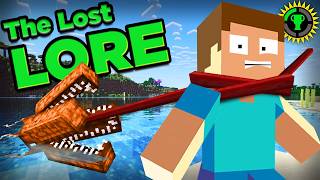
- Introduction: Uncovering Minecraft's Lost CivilizationOpening NarrativeThe video opens with poetic imagery of ancient civilizations buried under time, with ruins and fragments left as puzzles of the past that need to be reassembled.Video PurposeThe Game Theorists examines the 1.20 Trails and Tales update, which finally delivered the long-awaited archeology feature teased since 2020.Initial Observations• The update added camels, sniffers, Cherry Grove biomes, armor designs, and broken pottery • At first glance, these additions seemed minor compared to major features like the Warden or Ancient CitiesCore TheoryDespite appearing simple, this update provides the most comprehensive view into ancient builders' society, revealing their daily lives, tribal conflicts, and the origins of the Wither.
- Pottery Shards: Windows into Ancient CulturePottery SignificancePottery is historically crucial for understanding ancient civilizations because food, fabrics, and people decay quickly, but pottery lasts much longer and serves as one of the only evidence points historians can use.Minecraft Implementation• 20 unique pottery shard designs scattered across five archaeological sites: desert temples, desert wells, warm ocean ruins, cold ocean ruins, and trail ruins • Shards can be combined to create complete pots that hold items • The term 'shard' is the historically accurate technical term for broken potteryHistorical ExamplesAncient Greeks decorated vases with elaborate imagery depicting daily life, parties, sports, and religious rituals; the Erectria Painter vase showed wedding scenes that helped archaeologists understand Greek marital traditions.Minecraft ImplicationsThe 20 different shard designs indicate ancient builders were not a single monolithic civilization, but rather distinct tribes with their own cultures, values, and daily tasks spread across different biomes.
- Multiple Civilizations: Distributed Tribes Across BiomesReal-World ParallelHumanity originated from a common ancestor in Africa 60,000-90,000 years ago, spread globally, adapted to new environments, and developed region-specific religions, defenses, and entertainment.Minecraft Architecture• Ocean Monuments were designed like Mesopotamian ziggurats meant to connect heavens to earth • Jungle temples resemble ancient Hindu and Buddhist temples found in Cambodia • These different megastructures suggest creation by different groups across vast distancesArmor Trim DistributionDecorative armor enhancements found worldwide, including the Nether and End, reflect different tribes using similar materials but with distinct designs reflecting their local cultures.Tribal Structure TheoryRather than one all-powerful super civilization, evidence suggests multiple tribes spread across the Minecraft world, each with distinct characteristics shaped by their environment.
- The Oldest Tribe: Trail Ruins and Early CivilizationArchaeological DatingTrail ruins are almost completely buried with only the tallest buildings visible, indicating these are the oldest sites, as significant sediment buildup takes centuries, similar to how Easter Island moai statues became buried over time.Early Development Signs• Wolf shard shows domestication of animals during the late Mesolithic period for hunting and protection • Wheat shard depicts one of the first plants humans domesticated • Evidence of birth of civilization through basic farming and animal domesticationDivine WorshipHost armor trim found in trail ruins suggests ancient builders attempted rituals to summon back the Hosts (godlike beings from Minecraft Legends), connecting to religious practices dating back 45,000-200,000 years in real history.Civilization OriginThis was the first tribe after Minecraft Legends events: people calling upon old gods while establishing basic farming, hiding in wooded areas, and domesticating animals to create the first civilization.
- Ocean Civilizations: Fishermen and PiratesWarm Ocean SocietyThe angler shard (depicting a person who catches fish) found only in warm ocean ruins indicates this civilization relied on fishing for survival and trade, explaining why they built the underwater Ocean Monuments.Cold Ocean Raiders• Shards like 'blade,' 'explorer,' and 'plenty' suggest pirate activities • Cold ocean ruins civilization used ships to terrorize other civilizations and steal resources and treasures • Shipwrecks filled with plundered goods support the piracy theoryStructural EvidenceThe aquatic update (1.13) introduced shipwrecks, providing physical evidence of maritime trade and raiding throughout the game's history.Contrast TheoryThe warm ocean fishermen and cold ocean pirates represent two distinct ocean-based civilizations with different economic and social structures based on resource availability.
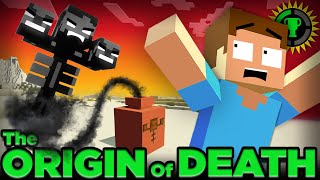
- Desert Civilization: Mining, Science, and the Wither CrisisMining Industry• Miner and prize shards show desert people built mineshafts throughout the Overworld • They were the first to pioneer mining Earth for resources, especially in Badlands and red sand deserts • Resources brought back to giant desert temples and booby-trapped to prevent theftNether ExplorationDesert people were the first civilization to cross into the Nether, evidenced by the brewer shard showing potion-making, which requires blaze powder obtainable only from Nether blazes.Scientific Pursuit• Built TNT from creeper remains • Constructed portals to access another dimension • Developed potions and pursued scientific advancement • Tired of waiting for hosts to save them, they turned to science insteadWither CreationDiscovered soul sand's life-giving properties and created the Wither as their new god using wither skeletons, believing it could protect them better than the hosts, but it ultimately turned on them.
- The Fall: Wither Catastrophe and Ancient CitiesDestruction EventThe Wither's damage spread across the land causing countless deaths and unending rage, forcing survivors to flee to the only place they believed safe: the deep underground.Escape Attempt• Survivors who fled to deep dark corners created Ancient Cities as their new grand complex home • Combined soul sand with redstone science to build a different kind of portal • Attempted to open a portal to escape to a new worldFinal TragedyInstead of offering escape, the portal summoned the Warden, a creature built of souls created from their regret and loss, trapping them even deeper underground.LegacyThe mourner shard represents the fall of the once-great civilization, with their story surviving only as broken pottery pieces scattered throughout the world, nearly lost to time.
- Conclusion: A Civilization Lost to TimeComplete TimelineFrom trail ruins' earliest farming civilization through ocean traders to desert scientists, the pottery evidence reveals an entire civilization that spread, flourished, and ultimately fell due to their own scientific ambitions.Key Discoveries• Ancient builders were multiple distinct tribes adapted to different biomes • Each tribe had unique daily lives, customs, and values reflected in pottery designs • The Wither's creation marked the beginning of the civilization's endHistorical SignificanceJust as real archaeologists use pottery fragments to understand ancient cultures, Minecraft's 20 shard designs provide the most comprehensive window into how ancient builders lived, worked, and ultimately perished.Final ThoughtThe civilization's story remains only in broken pieces of pottery scattered across the world, a poignant reminder of a once-great people nearly lost to the literal sands of time.