Are You Using This Multiband Compression Trick?
8 chapitres
- Introduction to Multiband CompressionTopic OverviewMultiband compression is a powerful tool that helps solve tricky mixing situations by splitting the frequency spectrum into separate bands that compress independently.Examples Presented• Cello group with 1-5 instruments layered together • Guitar recording with microphone placement issuesKey RequirementMultiband compression works best when you have a clear aim in mind and know exactly what you're trying to achieve.PrerequisitesUnderstanding how a standard compressor works is essential before learning about multiband compression.
- Cello Example: Controlling Unwanted PlucksProblem IdentifiedMultiple layered cellos create two pluck sounds that cut through the mix unpleasantly and distract from the music, centered around 200 Hz.Why EQ FailsUsing EQ to remove the problematic resonances at 200 Hz cuts away too much bass from the entire cello track, which you want to keep dynamic and bass-heavy.Multiband SolutionUsing a multiband compressor set to compress only the low-mid band when plucks occur allows the bass to remain full while reducing just the problem frequencies.Settings Applied• Threshold set to trigger only on plucks • Fast attack and fast release • Gain reduction only on plucks, not on surrounding bass
- Multiband Compression MechanicsHow It WorksA multiband compressor splits the frequency spectrum into 3-5 different sections and compresses each band independently, allowing precise control over specific frequency ranges.Band AdjustmentYou can make frequency bands very small and precise or very wide depending on your needs, giving flexibility to target exactly the problem area.Advantage Over Standard CompressionMultiband compression allows compression of specific frequency ranges while leaving other frequencies completely untouched, preventing the unnatural 'pumping' effect of full-spectrum compression.Practical ApplicationThe cello example demonstrates how compression in only the low-mid band preserves the brightness and vibrancy of other frequencies while controlling the problematic plucks.
- Real-World Use Case: Proximity Effect ControlProblem ScenarioA singer's proximity to the microphone changes constantly, causing the bass level to fluctuate between close-mic boomy bass and distant thinner bass.Traditional Solution DrawbackStatic EQ cuts bass all the time, but you only want to reduce bass when the singer moves close to the microphone.Multiband Compression FixSet up a compressor to compress only the low-end band, so when the singer moves close and generates excessive bass, it automatically reduces it while keeping the rest of the mix untouched.ResultThe mix remains balanced whether the singer is close or far from the microphone without muddy bass sounds.
- Guitar Example: Controlling Transient AggressionProblem DescriptionMicrophone placement picked up excessive low-end transient information from guitar strums, making them boomy and aggressive while losing the sparkly high-end detail.Why Standard Solutions Fail• EQ removes bass constantly, not just when needed • Manual automation sounds unnatural with sparse arrangements • Standard compression reduces all frequencies, making the guitar sound like it's breathing or pumpingThe Multiband ApproachUsing a multiband compressor to compress only the low-mid band where the aggressive transients occur keeps the sparkly highs completely open and untouched.OutcomeThe guitar sounds balanced and controlled without losing detail, brightness, or sounding unnatural.
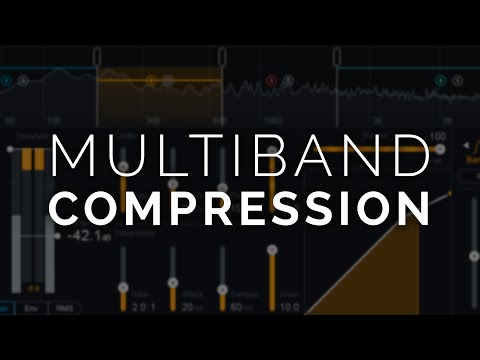
- Setting Up Multiband Compression for GuitarFrequency Band Setup• Low band • Low-mid band (targeted for compression) • Mid band • High bandCompression StrategyLeave the mid and high bands completely open and bright at all times while compressing only the low-mid band where the transient aggression occurs.Visual MonitoringThe threshold dot on the graph shows where compression begins, and you can see gain reduction occurring only on the loudest strums.Comparison Results• No effects: guitar sounds good but unstable • Standard compressor: everything sounds squashed • Multiband compressor: controlled, balanced, and bright with all high-end detail preserved
- Dynamic EQ as an Alternative TechniqueWhat It IsDynamic EQ is an EQ that compresses specific bands in the same way a multiband compressor does, but with greater control and flexibility.Advantages• Allows more frequency bands than typical multiband compressors • Provides choice of filter types • Offers more precise control over the compression behaviorComparisonWhile multiband compression achieves the goal effectively, dynamic EQ is a more advanced and magical technique that gives you additional options.RecommendationDynamic EQ deserves its own dedicated study and video to fully understand its capabilities and applications.
- Conclusion and Practical AdviceKey TakeawayMultiband compression is a powerful tool when you approach it with a solid aim and clear understanding of what you want to achieve.Inspiration Provided• Control problem frequencies without affecting the rest of the mix • Preserve brightness while taming aggression • Handle dynamic range issues with precisionFurther LearningConsider exploring dynamic EQ as an advanced technique that offers even more control and flexibility than multiband compression.EncouragementYou'll be surprised by the power of multiband compression when you apply it with intention and a clear mixing goal in mind.