
TOP 10 ECLIPSE DAY Things to know (please share) - Smarter Every Day 174
If there is one video you want to share about the eclipse make it this one.
10 chapters
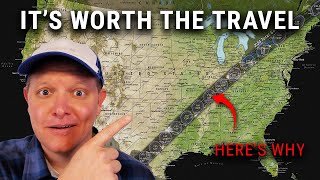
- Location and Totality PlaneKey ConceptThe totality plane is an area where you will see a total eclipse; outside this area you will see a partial eclipse.Location StrategyYou don't need to position yourself exactly on the mid-line of the totality plane to have a very good experience.Preparation Tips• Plan for traffic delays • Bring extra food • Bring extra waterBottom LineBeing slightly away from the mid-line is acceptable and will still provide a good viewing experience.
- Timing and App SetupEssential ToolDownload the Solar Eclipse Timer app, available for both Android and Apple devices.App Functions• Communicates with you throughout the eclipse • Locates your position inside the totality plane • Tracks the eclipse eventsSetup ProcessClick the location button to find where you are in the totality plane, then click to ready yourself for listening to eclipse events.OutcomeOnce set up, you will be prepared to track all the important timing moments of the eclipse.
- Understanding Eclipse Contact TimesC1 ContactC1 is when the Moon first touches the Sun, marking the beginning of the eclipse.Total Eclipse Window• C2 is when total eclipse starts, occurring about 1-1.5 hours after C1 • C3 is when total eclipse endsC4 ContactC4 marks the end of the eclipse when the Moon leaves the Sun completely.Timing SummaryUnderstanding these four contact points helps you know exactly when each phase occurs and when to adjust your viewing approach.
- Solar Glasses and Eye SafetyEssential EquipmentYou must have solar glasses and know how to use them properly for safe viewing.Safety RequirementEnsure your solar glasses are certified as Safe for Direct Solar Viewing.When to RemoveThe only time you can safely remove your solar glasses is between C2 and C3, when the total eclipse is occurring.Protection RuleKeep your glasses on during all other phases of the eclipse to protect your eyes from direct solar radiation.
- Photography and FiltersFilter RequirementYou must use a filter when taking pictures of the eclipse to protect your camera sensor.Filter TimingRemove your filter approximately 20 seconds before C2 to photograph the corona during totality.Camera AdjustmentsAdjust your camera settings as the light changes to capture clear images of the corona.PlanningHave a clear plan in place for all filter and camera setting changes before eclipse day.
- Observing Shadow BandsWhat to Look ForShadow bands are shadow-like formations that appear on the ground just before and just after the eclipse, resembling shadow snakes.Recording Method• Lay out a white sheet to capture the shadow bands on video • Identify where North is before you start recordingScientific MysteryScientists don't currently know why shadow bands occur, making them a fascinating phenomenon to observe.Observation ValueDocumenting shadow bands provides interesting personal documentation of this little-understood eclipse phenomenon.
- Environmental Changes and ReactionsNatural Changes• Temperature will drop during the eclipse • Crickets will start chirping • Animals will exhibit unusual behaviorHuman ExperiencePeople around you will become very excited and engaged with the eclipse event.Observation OpportunityTake time to watch and appreciate the environmental and behavioral changes happening around you during the eclipse.Full ExperienceObserving these environmental shifts enhances your overall eclipse experience beyond just watching the sky.
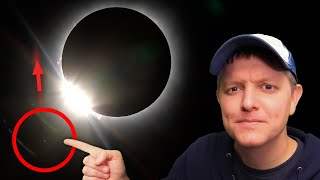
- Photography Targets for PhotographersThree Key Shots• The Diamond Ring • Bailey's Beads • The CoronaPhotography GoalPhotographers should focus on capturing these three distinct visual phenomena during the eclipse.Resource AvailableA detailed video tutorial is available that demonstrates how to photograph each of these eclipse features.Technical ChallengeGetting quality shots of these features requires planning and adjustment of camera settings throughout the eclipse.
- Maximum Totality ExperiencePut Down EquipmentAt maximum totality, step away from your camera and photography gear to experience the eclipse directly.What You'll SeeThe entire 360-degree horizon around you will be colored in a remarkable display during totality.Primary FocusThis is the moment to simply take in the amazing visual experience and interact with your family rather than document it.Personal ValueThe direct experience of maximum totality is what makes the eclipse truly memorable and worth traveling to see.